Parents: Rent a Child Wheelchair Tonight, Take 3 Measurements

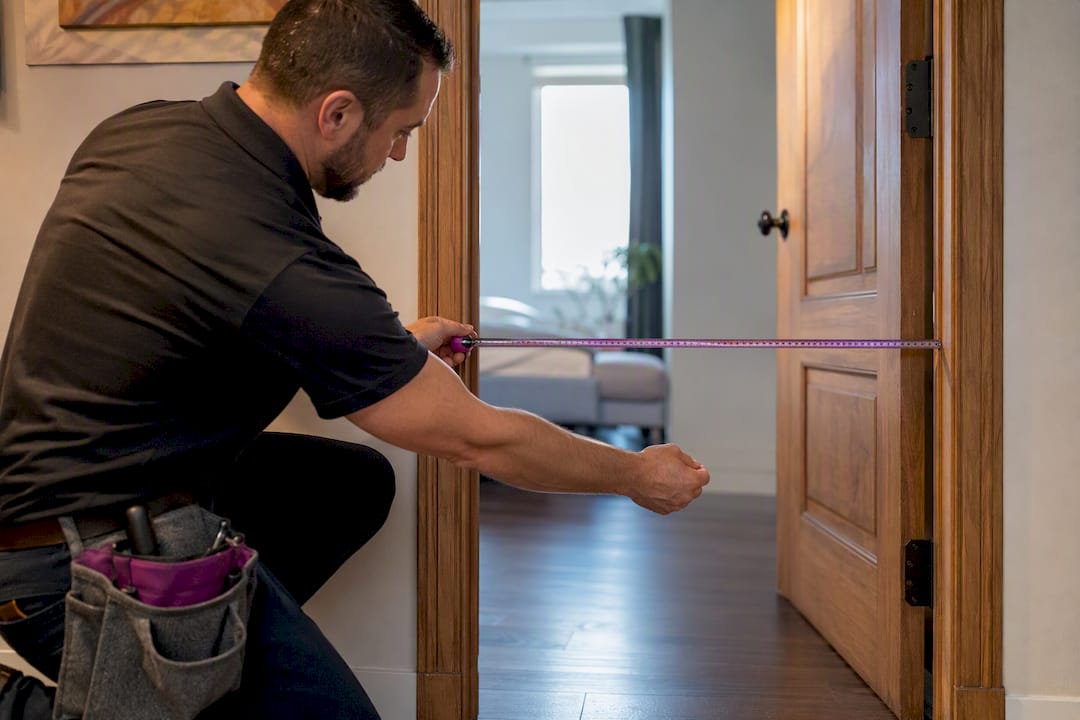
If your child needs a wheelchair now, take three measurements tonight: hip width, seat depth, and lower leg length. Call a local rental supplier and ask about same-day delivery. A short-term rental is the right move while you arrange an occupational therapy assessment, so confirm sanitization practices and get every fee in writing before the chair arrives.
TL;DR:
- Proper measurements of hip width, seat depth, and lower leg length are essential to ensure a wheelchair fits and prevents pressure injuries.
- Rental options include manual, lightweight, transport, and power wheelchairs, each suited to specific needs like short-term use or child’s ability to operate controls.
- Confirm that the rental provider sanitizes equipment thoroughly and provides clear, upfront fees, including delivery and potential adjustment costs.
- Daily checks on fasteners, tires, and footrest alignment help maintain safety, and involve a professional for ongoing fit corrections or postural support needs.
- Renting a chair promptly allows immediate mobility while coordinating with occupational therapists, schools, or healthcare providers for optimal long-term solutions.
Table of Contents
- Child wheelchair rental advice: matching chair type to your child’s needs
- Getting the fit right: measurement checklist and growth planning
- Rental logistics: booking, delivery, sanitization, fees and paperwork
- How to choose the right chair for your child’s daily life
- After delivery: daily checks, simple adjustments and when to call for help
- Publisher perspective: how a local supplier shortens wait times safely
- Adapting a rented wheelchair for sports, travel and everyday outings
- Coordinating your rental with doctors, therapists and school staff
- Legal and safety rules to know before you rent
- Cost and funding: what a rental actually costs and how to keep it down
- Author perspective: renting now doesn’t mean skipping the science
- How Seventhchakra gets your child moving today
- Where to go for more detailed guidance
- Sources
- FAQ
Child wheelchair rental advice: matching chair type to your child’s needs
Not every pediatric wheelchair does the same job, and picking the wrong category costs you time you don’t have. Manual chairs come in three flavours: standard frames for basic transport, lightweight models for parents who lift the chair into a trunk daily, and growing frames built with adjustable rails that expand as your child does. Transport chairs are the simplest option, designed to be pushed rather than self-propelled, and they work well for short outings like medical appointments or school pickup.
Power wheelchairs get considered when a child has the cognitive and physical capacity to operate controls safely, usually for longer-term independence rather than a two-week rental. Tilt-in-space and recline systems matter most for kids with limited trunk control or pressure sensitivity. According to guidance on pediatric mobility equipment, selecting the right category means weighing growth potential, indoor versus outdoor use, and how the family actually transports the chair day to day.
- Standard manual: best for short-term, budget-conscious rentals with an able caregiver pushing.
- Lightweight folding: ideal when the chair needs to fit in a car trunk or navigate tight apartment hallways.
- Transport chair: suited to quick trips where the child won’t be self-propelling.
- Power wheelchair: appropriate only when a child can safely operate controls, typically for extended use.
- Tilt/recline seating: necessary for postural support or pressure relief needs flagged by a therapist.
Getting the fit right: measurement checklist and growth planning
A chair that’s the wrong size isn’t just uncomfortable. It can cause skin breakdown, poor posture, and reduced trunk control within days. Measure with your child seated as upright as possible, wearing their usual daytime clothing and shoes.
- Hip width: measure across the widest part of the hips or thighs while seated, then add roughly one inch total for clothing clearance.
- Seat depth: measure from the back of the pelvis to the popliteal fossa, the crease behind the knee, then subtract 1.5 to 2 inches (3.8 to 5 cm) for clearance so the seat edge doesn’t press into the knee.
- Lower leg length: measure from the popliteal fossa to the bottom of the heel with shoes on, since footrest height depends on this figure.
- Seat height and caster clearance: confirm there’s enough space for the caster wheels to swivel freely under the footrest without catching.
These are the same core measurements used in clinical seating and wheelchair evaluation protocols, and the seat-depth clearance figure in particular exists to prevent pressure injuries behind the knee.
Pro Tip: Resist the urge to size up “so they grow into it.” An oversized seat lets a child slump sideways, which undermines trunk support and can create new pressure points faster than a properly fitted chair ever would.
If your child has complex postural needs, or if home measurements feel uncertain, pause and book an occupational therapy seating assessment before the rental period ends. Rental now, professional review soon, is a reasonable sequence, not a compromise.
Rental logistics: booking, delivery, sanitization, fees and paperwork
Most suppliers offer daily, weekly, or monthly terms. A daily rate suits a single event or short trip; weekly or monthly terms make more sense when you’re waiting on a funding decision or an OT referral. Renting during that wait is a recognized, practical strategy, according to research on the wheelchair procurement process, which found that families often need a bridge chair while formal prescriptions and funding paperwork move through the system.
Before you call, have these ready:
- Your three measurements (hip width, seat depth, lower leg length)
- Delivery address and any building access notes (stairs, elevator size, apartment number)
- Vehicle type if you need the chair to fold into a trunk
- An OT referral or prescription, if one already exists
At handover, ask the delivery technician to walk through the setup, check tire pressure and footrest alignment, and confirm the chair has been sanitized. Photograph the assembled chair and any documents you receive. That record becomes useful if you need to explain an issue later, request an adjustment, or resolve a fee dispute.
Pro Tip: Ask about the cancellation policy before you sign anything. A transparent supplier will state weekly rates, delivery fees, and deposit terms upfront, not after the chair is already in your living room.
How to choose the right chair for your child’s daily life
Match the chair to your actual routine, not an idealized one. Will it live mostly indoors, or does it need to handle sidewalks and grass? Does it need to fold into a sedan, or does it stay parked at home? Who will be pushing it, a parent, a grandparent, or the child themselves?
Ask suppliers these questions on the phone:
- Can you confirm the exact seat width, depth, and height before delivery?
- Is there a trial period or return option if the fit isn’t right?
- How is the chair sanitized before it reaches us?
- What’s your delivery window, and is same-day service available?
- Who do we call if something needs adjusting after hours?
- Are all fees, including delivery and deposit, listed upfront?
- What happens if we need a different chair size mid-rental?
- Do you coordinate with occupational therapists on fit or specs?
If a supplier skips the measurement questions entirely, quotes a vague sanitization process, or can’t tell you the total cost including delivery, treat that as a reason to call someone else.
After delivery: daily checks, simple adjustments and when to call for help
Run through a quick daily check: fasteners tight, tires properly inflated, footrests aligned, cushion sitting flat and centred. Photograph any new redness or pressure marks on your child’s skin so you have a record if you need to describe it to a clinician later. Daily checks like these catch small equipment problems before they become bigger ones.
- Tighten loose bolts or screws you can access without tools beyond a basic Allen key.
- Wipe down frame and cushion per the supplier’s sanitization instructions.
- Leave footrest height changes, brake tension, and frame width adjustments to a technician or OT.
- Practise caregiver spotting and anti-tip techniques, ideally guided by resources from the Wheelchair Skills Program, which recommends child-specific, play-based training rather than one long instructional session.
Call for a reassessment if you notice new pressure marks, a posture shift, or if your child has grown enough that the seat no longer fits comfortably.
Publisher perspective: how a local supplier shortens wait times safely
A supplier that offers same-day delivery, full sanitization, and certified setup removes most of the friction from an urgent rental. At handover, ask for the user manual and request photos or video of the completed setup for your own records. Confirm the return process before you need it.
Ongoing supplier follow-up matters more than most parents expect. A technician who answers questions about adjustments during the rental period reduces the chance that a poorly fitted chair stays in use longer than it should.
Adapting a rented wheelchair for sports, travel and everyday outings
A rented chair rarely needs to be permanent to be useful for a specific activity. If your child is attending a birthday party on grass, ask the supplier whether a chair with larger rear wheels or pneumatic tires is available. Standard casters bog down on soft ground; a slightly wider wheelbase handles uneven terrain far better.

For travel, especially flights or long car trips, a folding transport chair is usually the more practical rental than a bulkier manual frame. Confirm the folded dimensions against your vehicle’s trunk space or your airline’s checked-mobility-aid policy before booking. Airlines generally transport wheelchairs at no extra charge, but battery-powered chairs sometimes require advance notice, so ask your supplier whether the rental unit is airline compliant if a flight is involved.
For swimming or water-adjacent activities, a rented wheelchair generally isn’t the equipment you want getting wet. Ask instead whether the supplier can advise on separate transfer equipment, since most manual and power chairs aren’t built for that exposure.
For school or day-camp use, ask whether the chair’s width clears standard doorways (typically around 32 inches) and whether the armrests are removable for easier transfers into desks or activity chairs. A quick call to the school or camp about door and pathway widths before the rental arrives saves a frustrating first day.
Whatever the activity, treat any temporary modification as just that: temporary. Return the chair to its baseline configuration afterward, and flag any wear or adjustment you made when you hand it back, so the supplier’s technician can inspect it properly.
Coordinating your rental with doctors, therapists and school staff
An occupational therapist acts as the translator between what your child needs functionally and the technical specs a wheelchair actually has to meet. Loop your OT in early, even if the rental itself happens before a formal assessment. Send them your three measurements and a photo of the chair once it arrives, and ask whether anything needs adjusting.
If your child already has a physiotherapist or physician involved in their care, share the rental supplier’s contact details with them directly. Some suppliers will speak with a therapist about seat specs over the phone, which can shortcut a lot of back-and-forth through you as the go-between. This kind of client-centred coordination, where the family, the therapist, and the equipment provider stay in direct contact, tends to produce a better final fit than a rental arranged in isolation.
If your child attends school, notify the classroom teacher or educational assistant about the rental before the first day back. Doorway widths, ramp access, and desk height all matter, and school staff often catch a logistical problem you wouldn’t think to check from home. For families managing broader neurodiverse care needs alongside a mobility rental, resources on play-based occupational therapy support can help caregivers structure daily routines around the equipment rather than fighting against it.
Keep a simple written or photo log of who you’ve spoken with and when. If your child moves from a rental into a funded, permanently prescribed chair, that log becomes useful history for whoever picks up the case next.
Legal and safety rules to know before you rent
Pediatric wheelchair rentals aren’t heavily regulated the way prescription medical devices are, but a few practical safety standards still apply. Reputable suppliers sanitize equipment between renters and disclose that process without being asked twice. If a supplier can’t describe how they clean a chair before it reaches your home, that’s a signal to look elsewhere.
Liability generally sits with the rental agreement you sign, so read the fine print on who’s responsible if the chair is damaged during normal use versus misuse. Ask specifically what counts as normal wear versus chargeable damage, since this varies by supplier and rarely gets explained unless you ask.
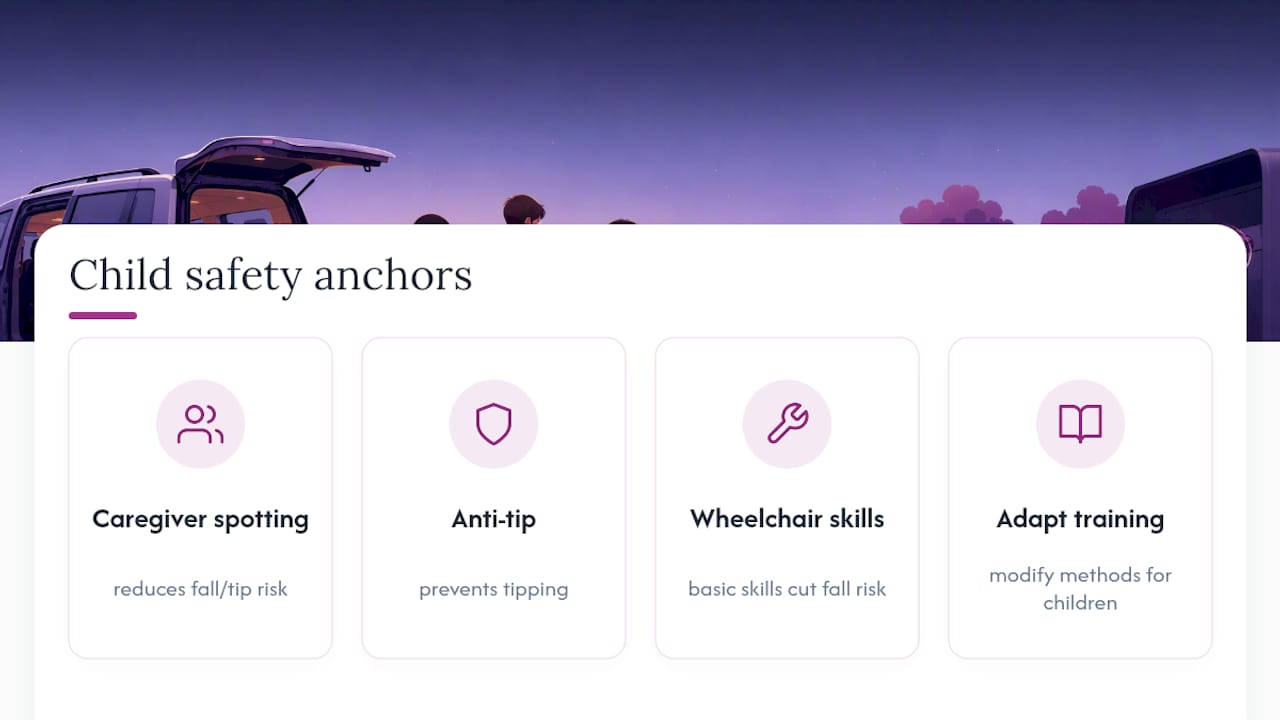
Training matters as much as paperwork. Caregiver spotting, anti-tip guidance, and basic wheelchair skills reduce the chance of a fall or tip during the rental period, particularly for children who are new to using a wheelchair. The Wheelchair Skills Program recommends adapting these techniques specifically for children rather than applying adult training models unchanged, since motor learning and attention spans differ significantly by age.
There’s also a clinical caution worth knowing: guidance on disability and child seating warns against keeping children in highly supportive seating for extended stretches, since reducing support as a child develops encourages independent trunk and head control rather than dependence on the chair’s structure. Ask your OT or the rental supplier how to balance support with opportunities for the child to work on their own control.
Cost and funding: what a rental actually costs and how to keep it down
Weekly rental pricing for a standard pediatric-appropriate manual chair typically starts from $75 per week, with transport chairs priced similarly. More specialized equipment, like chairs with elevating leg rests, generally starts higher given the added mechanical components. Delivery adds a separate cost: expect a small item delivery and pickup fee, and a larger fee for equipment requiring full installation.
The cheapest path isn’t always the lowest weekly rate. A chair that doesn’t fit properly leads to a second rental, a technician visit, or a skin issue that needs medical attention, all of which cost more than getting the measurements right the first time.
To keep costs manageable:
- Rent weekly rather than daily if you expect to need the chair more than a few days.
- Ask whether delivery and pickup fees are bundled or itemized separately.
- Confirm there’s no deposit required, since some suppliers still hold funds upfront unnecessarily.
- Check whether your provincial home support program covers part of the cost. The At Home Program guide outlines eligibility criteria and funding avenues families in British Columbia can pursue for assistive devices.
- Ask your OT whether a rental period can be credited toward a future funded purchase, since some programs allow this.
Funding approval can take weeks or months. Renting in the meantime keeps your child mobile without waiting on a bureaucratic timeline that has nothing to do with your child’s actual needs today.
Author perspective: renting now doesn’t mean skipping the science
Rent tonight if your child needs mobility today. Take the measurements, document the handover, and book that OT follow-up within the week. Acting fast and acting carefully aren’t opposites here; they’re the same plan, just sequenced correctly.
— Chandan
How Seventhchakra gets your child moving today
A local supplier offers standard wheelchairs, lightweight folding chairs, transport chairs, and electric wheelchairs with same-day delivery and no deposit required. That last part matters when you’re already juggling appointments and paperwork. You avoid tying up cash while waiting on a funding decision.

To book, have your three measurements ready (hip width, seat depth, lower leg length), your delivery address, and your preferred delivery window. Each chair arrives sanitized and set up, with a walkthrough at handover to explain adjustments. Start with the standard wheelchair rental page if a manual chair fits your child’s needs, or browse the full rental catalogue for lightweight, transport, or powered options. If a technician visit or adjustment is needed mid-rental, support lines are usually available for assistance.
Where to go for more detailed guidance
For hands-on measurement protocols, see the seating and wheelchair evaluation reference. For caregiver training, consult the Wheelchair Skills Program handbook, and speak with an occupational therapist for advice specific to your child.
Sources
- Seating and wheelchair evaluation - StatPearls (NCBI Bookshelf)
- Wheelchair Skills Program pediatric handbook (WSP)
- The wheelchair procurement process: perspectives of clients and prescribers (PMC)
- At home program guide (Government of BC)
FAQ
Where can I borrow or rent a child’s wheelchair?
Local medical equipment rental companies, some hospital equipment loan closets, and community health programs all offer pediatric wheelchair rentals or short-term loans. Suppliers offering same-day delivery, such as Seventhchakra’s rental catalogue, are often the fastest option when you need a chair the same day.
What size wheelchair does a 12-year-old need?
There’s no single standard size, since seat width and depth depend entirely on the child’s hip width and leg length rather than age alone. Measure hip width, seat depth (pelvis to popliteal fossa minus 1.5 to 2 inches, or 3.8 to 5 cm), and lower leg length using the standard measurement protocol before booking any rental.
How much does it cost to rent a wheelchair?
Weekly pricing for a standard manual wheelchair rental starts from $75 per week through Seventhchakra, with delivery fees charged separately depending on setup complexity. Transport chairs and lightweight folding models are typically priced in a similar range.
What are good small wheelchairs for kids?
Lightweight folding manual chairs and growing-frame models tend to suit most children needing short-term mobility, since they’re easier to transport and can be adjusted as a child grows. A lightweight folding wheelchair rental is a practical starting point for families who need something that fits in a car trunk.
How long can I rent a pediatric wheelchair for?
Most suppliers offer daily, weekly, or monthly rental terms, and weekly or monthly rentals generally make more sense while a family waits on funding approval or a formal OT assessment. Renting during that waiting period is a common and practical approach, according to research on the wheelchair procurement process.