
Accessible tourism equipment is usually rented quickly and delivered locally; buy only when the need is long-term. For most Canadian families and caregivers, renting vs buying comes down to one question: how long will you need it? Short-term travel or post-op recovery almost always points to rental. The Canadian Transportation Agency governs how carriers handle mobility aids in transit, CSA B651-18 sets the accessibility standards for terminals and built environments, and local suppliers like Seventhchakra can deliver sanitized equipment the same day you call.
Quick action checklist:
- Call a local rental supplier and ask about same-day delivery and no-deposit options
- Confirm airline, rail, or ferry advance-notice requirements (typically 48–96 hours)
- Measure doorway widths and user weight before you call
Table of Contents
- What types of accessible tourism equipment are available?
- Should you rent or buy accessible travel equipment?
- How does the rental process work in Canada?
- How Seventhchakra’s rental service works
- What travel rules apply to mobility aids in Canada?
- How do you choose the right specs?
- What safety checks and maintenance should caregivers expect?
- What do rentals cost, and where can you find funding?
- How do you get equipment the same day?
- Key takeaways
- A practical perspective on accessible travel planning
- Useful Canadian sources and next steps
- FAQ
What types of accessible tourism equipment are available?
| Equipment | Primary use case | Travel-friendly? |
|---|---|---|
| Manual wheelchair | Day trips, short recovery, indoor/outdoor | Yes — foldable models available |
| Electric wheelchair | Long distances, limited upper-body strength | Partially — battery rules apply |
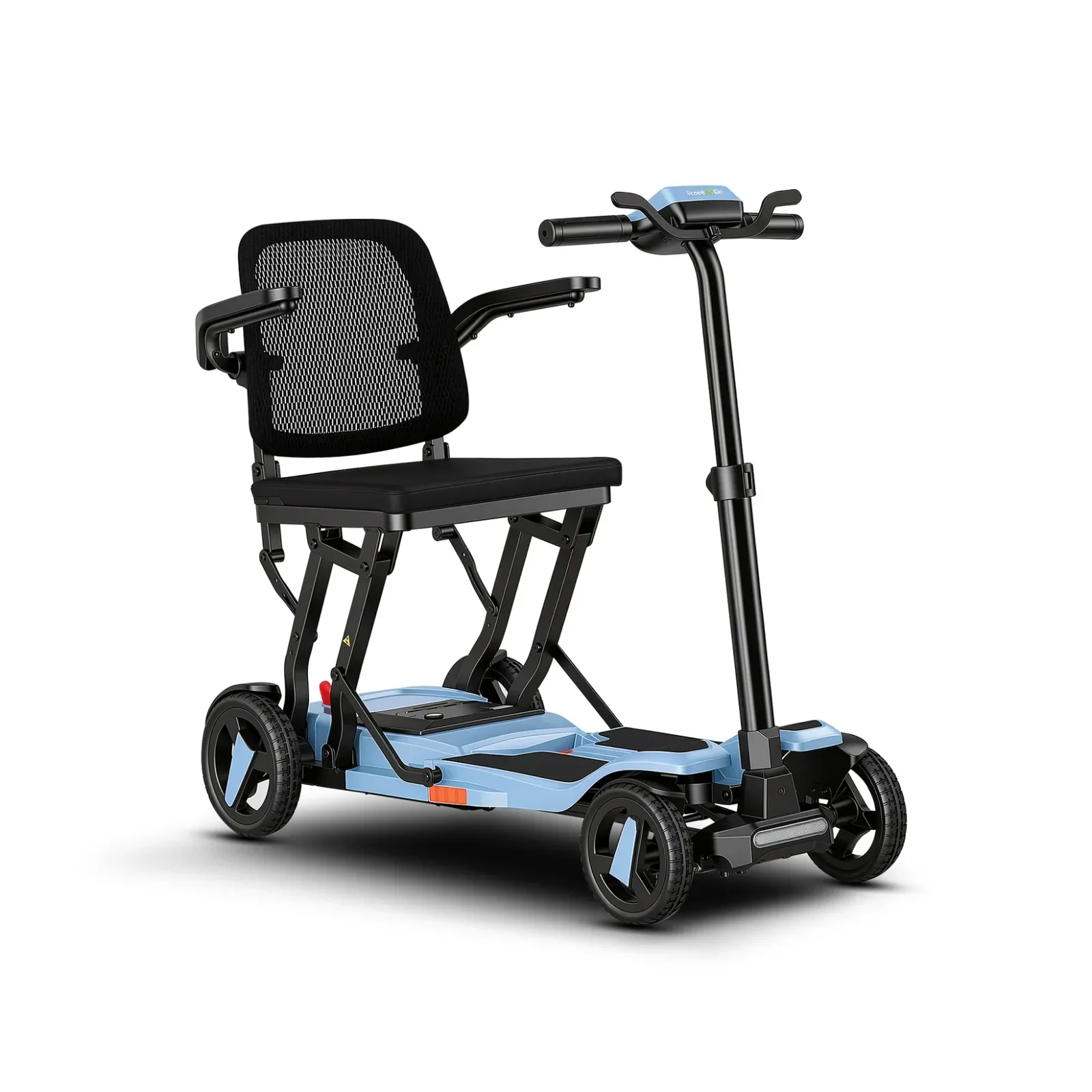
| 3-wheel mobility scooter | Tight indoor spaces, light outdoor use | Yes — compact turning radius |
| 4-wheel mobility scooter | Outdoor terrain, longer distances | Moderate — larger footprint |
| Adjustable hospital bed | Home recovery, post-surgery care | No — stationary medical use |
| Commode chair | In-room bathroom assistance | Yes — portable models exist |
| Transfer aids / lift belts | Caregiver-assisted transfers | Yes — lightweight |
| Knee scooter | Lower-leg injury recovery | Yes — compact |
| Portable travel ramp | Threshold and step access | Yes — foldable |
Manual wheelchairs cover most day-trip and short-recovery needs. Electric wheelchairs and mobility scooters extend range but carry battery restrictions on aircraft. Hospital beds are strictly for home or accommodation use. Commode chairs and transfer aids round out in-room care for caregivers managing daily routines away from home.
Should you rent or buy accessible travel equipment?
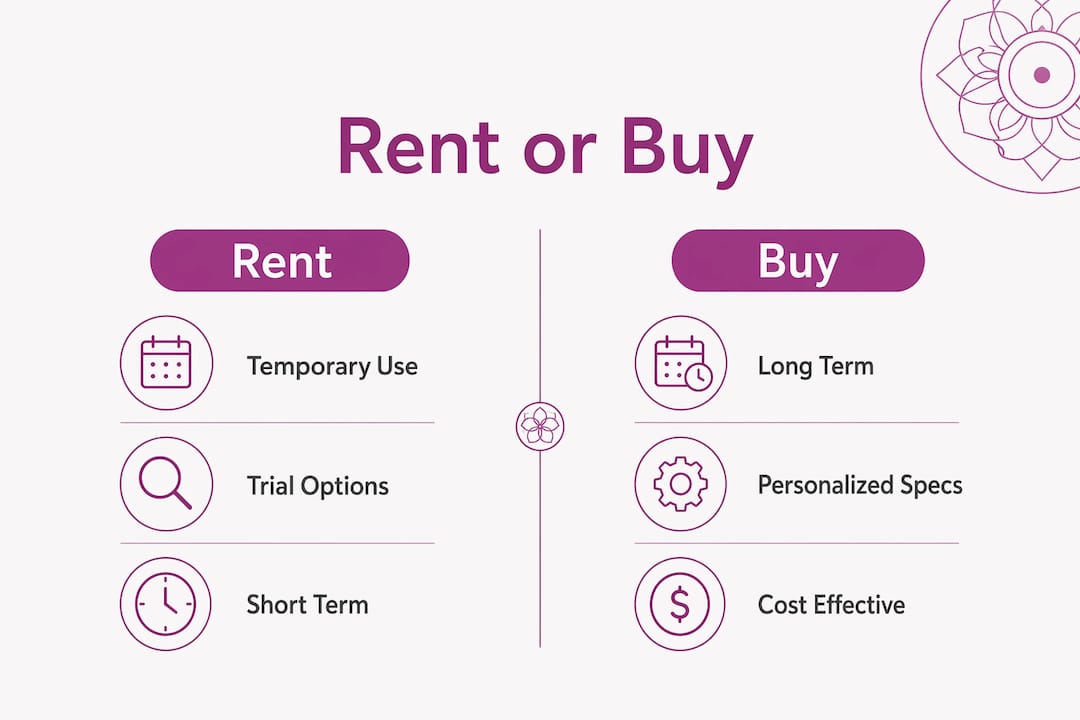
Rent when: the need is temporary — post-surgery recovery, a vacation, or a short rehabilitation window. Rental keeps upfront costs low, includes delivery and pickup, and lets you trial different models.
Buy when: the person needs daily access for six months or longer, or when cumulative rental costs approach the purchase price of the item.
A practical timeline guide:
- Under 3 months: rental is almost always the better choice
- 3–6 months: compare total rental cost against purchase price; factor in delivery fees both ways
- Over 6 months: purchase typically offers better value, especially for wheelchairs and hospital beds
Rental-to-purchase credit is worth asking about. Some suppliers apply a portion of rental payments toward a purchase if you decide to keep the equipment. Seventhchakra’s rent vs buy guide walks through the economics in detail.
Pro Tip: Ask your supplier about a short trial rental before committing to a purchase. A week on a specific scooter or wheelchair model will tell you more about fit and comfort than any spec sheet.
How does the rental process work in Canada?
Expect six steps: assessment, measurement, booking, delivery and setup, training, and return. Most local suppliers can complete steps one through four on the same day for standard items.
What you will need to provide:
- Full delivery address and preferred time window
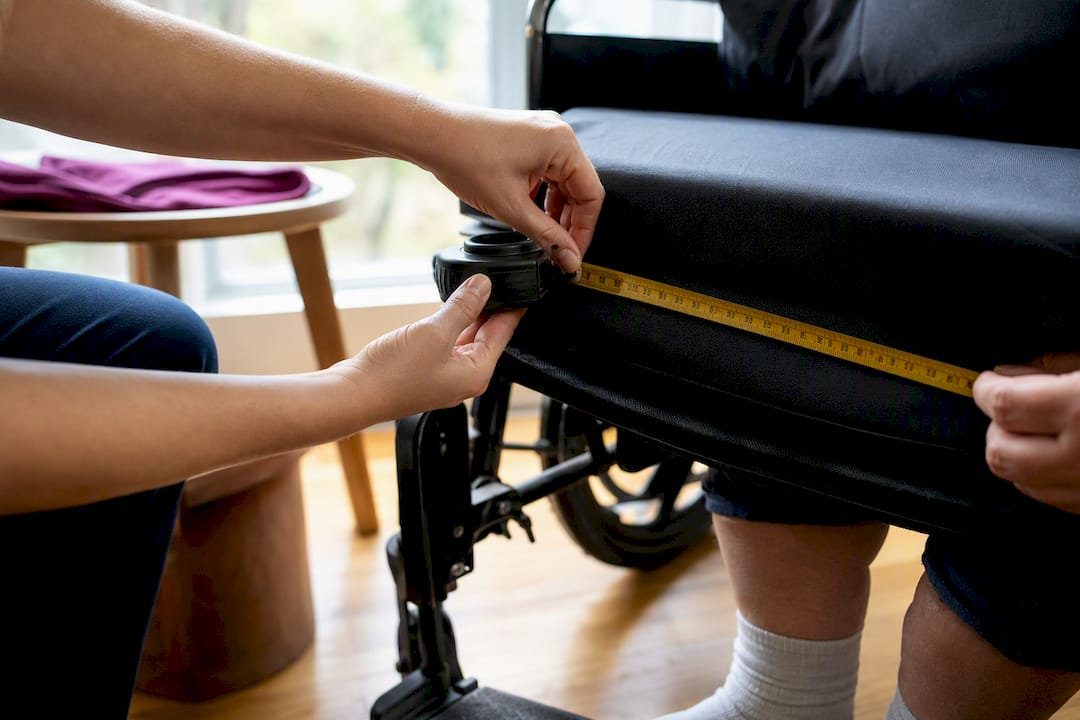
- User’s weight and seated measurements (seat-to-floor height, hip width)
- Any medical notes relevant to positioning or pressure care
- Battery type preference for powered equipment
- Credit card imprint and valid photo ID (standard security requirement)
Delivery scope matters. For hospital beds, a full delivery typically includes in-home placement, mattress selection, safety rail installation, and a brief positioning walkthrough. Confirm whether your supplier’s delivery fee covers setup or only doorstep drop-off — these are often priced separately.
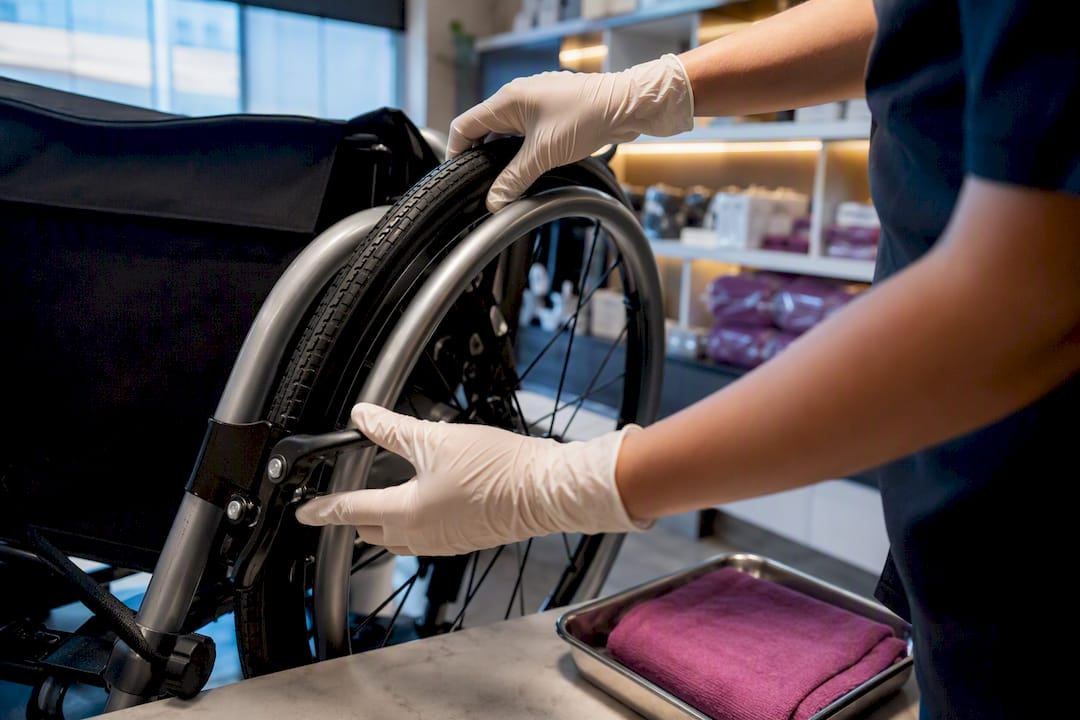
Sanitization should happen before the equipment reaches your door. Ask specifically which disinfectants are used on touch points and whether mattress covers are included. On return, most suppliers schedule a pickup window; exchanges for a different model are usually possible with a quick call.
How Seventhchakra’s rental service works
Seventhchakra focuses on mobility scooter rentals, wheelchair rentals, and hospital bed rentals in the Greater Vancouver area. Their model is built around removing the friction that typically slows urgent medical equipment access.
Key service features:
- Same-day delivery for qualifying orders in the Vancouver area
- No upfront deposit options on select equipment
- Equipment sanitized before delivery, with staff support for setup
- Attraction-specific guidance for destinations like Granville Island and Stanley Park
Seventhchakra’s attraction pages are genuinely useful for trip planning. Granville Island’s flat, compact layout suits a 3-wheel scooter with a tight turning radius; Stanley Park’s seawall is long and paved, making a 4-wheel model or electric wheelchair the better call. Local terrain knowledge like this is hard to find from a national catalogue.
What travel rules apply to mobility aids in Canada?
Contact your carrier at least 48–96 hours before travel. That window lets the carrier plan storage, confirm size and weight limits, and arrange any disassembly or reassembly support.
Under the Accessible Transportation for Persons with Disabilities Regulations (ATPDR), carriers must accept mobility aids as priority baggage, disassemble and reassemble them when necessary, and return them promptly on arrival. Terminals and built environments must meet CSA B651-18 where applicable.
Pre-travel checklist:
- Forward exact dimensions and weight of the mobility aid to the carrier
- Confirm battery type (lithium vs sealed lead-acid) and watt-hour rating for air travel
- Bring written disassembly and reassembly instructions for power wheelchairs
- Ask about on-arrival reassembly assistance at the destination terminal
Carriers can lawfully decline transport when safety or capacity makes it impossible — this is the ATPDR’s “undue hardship” limit. If that happens, a local rental at the destination is your best contingency. Seventhchakra’s local rental guide covers exactly this scenario.
How do you choose the right specs?
Match weight capacity and seat width to the user first. Everything else — battery range, turning radius, portability — is secondary.
Measurements to bring to your supplier:
- User’s weight (add 10–15% buffer for the weight capacity spec)
- Hip width for seat width selection
- Seat-to-floor height for transfer comfort
- Narrowest doorway width at the destination
- Any ramp inclines or surface types (gravel, cobblestone, grass)
| Feature | Manual wheelchair | Electric wheelchair | 3-wheel scooter | 4-wheel scooter | Hospital bed |
|---|---|---|---|---|---|
| Best for | Day trips, portability | Long distances, limited strength | Indoor/tight spaces | Outdoor terrain | Home recovery |
| Weight capacity | Varies by model | Varies by model | Varies by model | Varies by model | Varies by model |
| Seat width | Confirm with supplier | Confirm with supplier | Fixed per model | Fixed per model | Adjustable |
| Battery range | N/A | Confirm with supplier | Confirm with supplier | Confirm with supplier | N/A |
| Portability | High — foldable | Moderate | High | Moderate | Low |
| Delivery/setup | Standard | Standard + charging | Standard | Standard | Full setup included |
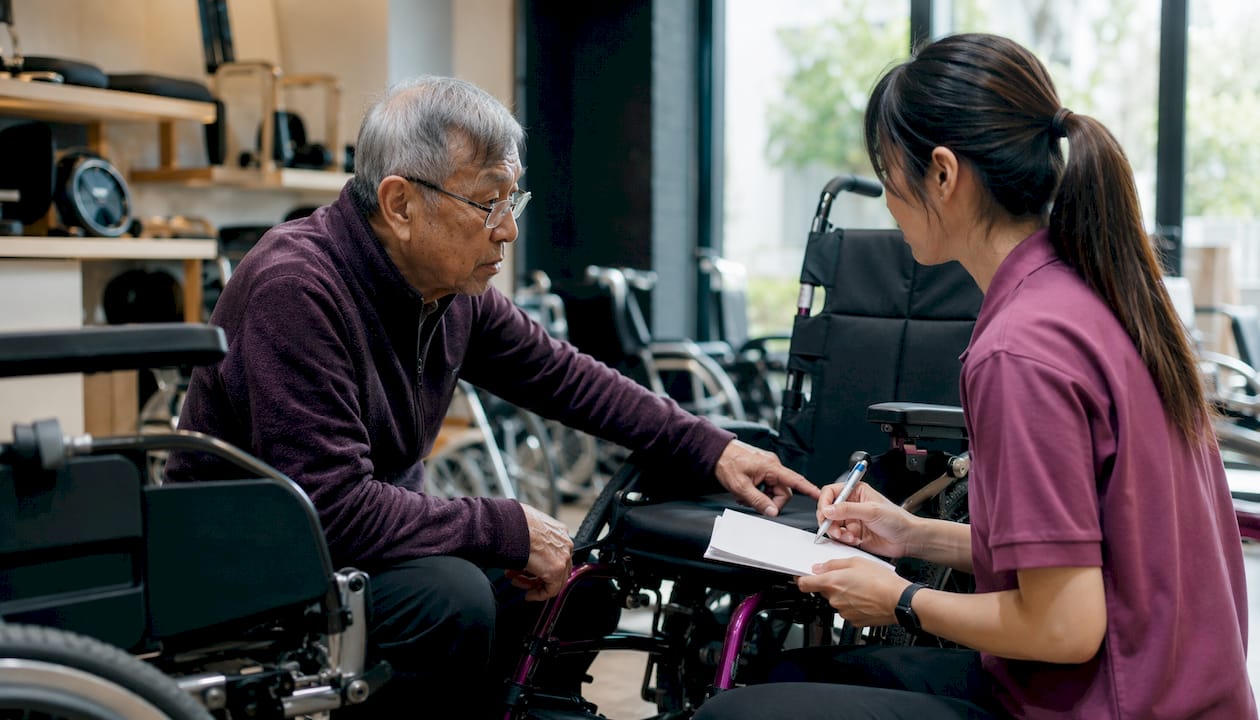
For scooters and electric wheelchairs, battery range and turning radius matter more than top speed on most Canadian tourist routes. Local terrain — slopes at Capilano, loose gravel at some provincial parks — affects suitability more than any spec sheet number.
What safety checks and maintenance should caregivers expect?
Providers should deliver equipment that is clean, inspected, and fully charged. On delivery, check these before signing off:
- Brakes: test responsiveness on a flat surface before use
- Tyres: check pressure and condition on manual and scooter wheels
- Battery charge: confirm full charge and ask about charging cable and indicator lights
- Safety rails: verify hospital bed rails lock securely in both raised and lowered positions
- Mattress cover: confirm it is intact and appropriate for pressure redistribution if the user is bed-bound
Daily maintenance is straightforward. Charge powered equipment overnight, check tyre condition weekly, and test brakes before any outing. For hospital beds, reposition the mattress surface regularly if the user has limited mobility.
Carrying a medical ID and emergency contact card is a practical addition to any travel plan involving mobility equipment. In an incident, clear identification speeds care significantly.
Pro Tip: Ask your rental supplier for the direct support line, not just the main number. For equipment issues at 9 PM, a direct technician contact is worth more than a general inbox.
What do rentals cost, and where can you find funding?
| Item | Typical daily rental | Typical monthly rental | Purchase order of magnitude |
|---|---|---|---|
| Manual wheelchair | Confirm with supplier | Confirm with supplier | From ~$500 (see product page) |
| Electric wheelchair | Confirm with supplier | Confirm with supplier | Confirm with supplier |
| Mobility scooter | Confirm with supplier | Confirm with supplier | Confirm with supplier |
| Hospital bed (electric) | Confirm with supplier | Confirm with supplier | From ~$2,600 (see product page) |
Seventhchakra does not publicly list daily or monthly rental rates on all product pages, so call or book online for a current quote. Delivery and pickup fees are typically separate from the rental rate; confirm these before booking.
Funding sources to check in Canada:
- Provincial health benefit programmes (ADP in Ontario, AADL in Alberta, MHSU in BC)
- Private extended health insurance — many plans cover short-term medical equipment rental
- Veterans Affairs Canada for eligible veterans
- Disability tax credit and related federal programmes
- Charitable equipment loan programmes through local health authorities
Keep all receipts and rental agreements. Insurers and provincial programmes routinely require documentation for reimbursement. A medical prescription or letter from a physician strengthens most funding applications.
How do you get equipment the same day?
Call local suppliers directly. Online booking works for planned rentals; urgent same-day requests move faster by phone.
What to have ready before you call:
- Full delivery address and preferred window (morning vs afternoon)
- User’s weight and seat-width measurement
- Preferred mattress type for hospital beds (foam, air, pressure-redistribution)
- Any powered medical devices or lithium batteries in the home (relevant for delivery safety)
- Payment method and photo ID
A simple phone script:
Seventhchakra offers same-day delivery and can prioritise urgent medical needs when stock is available. Confirming sanitization status and setup scope on that same call saves a second conversation.
Key takeaways
Accessible tourism equipment works best when you rent for short-term or travel needs and buy only for long-term daily use — matching the usage window to the right option saves both time and money.
| Point | Details |
|---|---|
| Rent for short-term needs | Rental covers travel, post-op recovery, and stays under ~3 months with lower upfront cost. |
| Give carriers 48–96 hours notice | ATPDR requires priority baggage handling; advance notice prevents refusal at check-in. |
| Measure before you call | User weight, hip width, and doorway dimensions speed the booking and avoid wrong-size deliveries. |
| Ask about sanitization and setup | Confirm disinfection of touch points and whether delivery fees include in-home setup. |
| Seventhchakra for urgent Vancouver needs | Same-day delivery, no-deposit options, and sanitized equipment for scooter, wheelchair, and bed rentals. |
A practical perspective on accessible travel planning
Most travel problems with mobility equipment come down to one overlooked measurement or one skipped phone call. The equipment itself is rarely the issue.
Caregivers consistently underestimate weight capacity. A user who weighs 200 lbs needs a chair rated for at least 220–230 lbs to account for clothing, bags, and the physics of dynamic loading on ramps. Getting this wrong means a return trip and a lost day.
Battery restrictions catch people off guard more than almost anything else. Lithium batteries above a certain watt-hour rating require airline approval in advance, and some carriers will not accept them at all on smaller regional aircraft. Written disassembly instructions for power wheelchairs are not optional paperwork — carriers use them to assess whether transport is feasible before you reach the gate.
The other underrated move: book reassembly help at the destination, not just at departure. Arriving in Halifax or Kelowna with a disassembled power chair and no one to put it back together is a fixable problem that nobody fixes in advance.
Pack a spare charging cable. Label the equipment with your name and contact number. Keep a one-page medical note in the bag on the chair. These are small things that matter enormously when something goes sideways at 11 PM in an unfamiliar city.
Useful Canadian sources and next steps
Official resources:
- Accessible Transportation for Persons with Disabilities Regulations (ATPDR) — full regulatory text
- Canadian Transportation Agency: travelling with mobility aids — practical carrier guidance
- Accessible Travel Journey technical guide — CSA B651-18 standards for terminals and transport
- Provincial health benefit portals: ADP (Ontario), AADL (Alberta), MHSU (BC)
Next steps:
- Save your rental supplier’s direct support number before travel
- Measure all doorways and ramp inclines at your destination before booking
- Request a physician’s letter or prescription if applying for provincial funding
- Contact your carrier’s accessibility desk at least 48–96 hours before departure
- Keep rental agreements and receipts for insurance or reimbursement claims
FAQ
How does accessible tourism equipment get delivered in Canada?
Local suppliers like Seventhchakra deliver directly to your home or accommodation, often the same day. Delivery typically includes setup for hospital beds and a brief equipment walkthrough.
What advance notice do airlines need for mobility aids?
Canadian carriers require 48–96 hours advance notice to arrange storage and confirm size, weight, and battery requirements for mobility aids.
When should I rent instead of buying accessible equipment?
Rent for needs under roughly three months — travel, post-surgery recovery, or short-term care. Buy when daily use will extend beyond six months and cumulative rental costs approach the purchase price.
Does Seventhchakra require a deposit for rentals?
Seventhchakra offers no-deposit options on select equipment. A credit card imprint and valid photo ID are standard requirements at the time of rental.
What specs matter most when choosing a mobility scooter or wheelchair?
Match weight capacity and seat width to the user first. For scooters and electric wheelchairs, confirm battery range and turning radius against the terrain at your destination.
Recommended
- How tourists rent wheelchairs locally: a 2026 guide | Seventh Chakra
- Complete Guide to Home Medical Equipment in Vancouver: Rentals, Sales & What to Choose | Seventh Chakra
- Stanley Park Wheelchair & Mobility Scooter Rentals | Vancouver
- Granville Island Wheelchair & Mobility Scooter Rentals | Vancouver