Stay Mobile: BC Wheelchair Prescriptions, Same Day Rentals and Funding
In British Columbia, an occupational therapist or physiotherapist performs the formal seating assessment and writes the prescription that funders and insurers require, while your family doctor or nurse practitioner supplies the medical diagnosis or referral that starts the process. If you need mobility support right now, don’t wait on paperwork. Book a short-term rental so you’re safe and mobile while the assessment and funding application move forward.
TL;DR:
- Most funding programs require a detailed seating assessment by an occupational therapist or physiotherapist, not just a doctor’s note, to approve wheelchair prescriptions.
- Public wait times for assessments may be weeks or months, making short-term rentals a practical solution to maintain mobility.
- Applying to multiple funding sources simultaneously and informing your therapist about all coverage options can optimize financial support.
- Private rentals, often available for same-day delivery, can significantly reduce delays while waiting for formal prescriptions and funding approval.
- Preparing a comprehensive list of daily mobility challenges and home measurements for your assessment can expedite the process and strengthen your application.
Table of Contents
- What a prescription for a wheelchair in BC actually means
- Step-by-step: how to get a prescription for a wheelchair in BC
- Funding programs and eligibility in British Columbia
- Short-term rentals and interim options while you wait
- How to prepare for your OT/PT assessment and funding application
- Costs, timelines and common obstacles (and how to respond)
- Provider perspective: why rentals matter and how to make the process smoother
- How Seventhchakra helps while you wait on your prescription
- Sources
- FAQ
What a prescription for a wheelchair in BC actually means
Two different professionals do two different jobs, and mixing them up is the most common reason applications stall. Your physician or nurse practitioner diagnoses the underlying condition and refers you onward. The occupational therapist or physiotherapist then completes the hands-on wheelchair seating assessment that becomes your actual prescription, the document funders and insurers rely on.
That assessment usually covers:
- Your functional goals: transfers, community access, work, school, or daily home routines
- Seating needs: posture support, pressure distribution, and any history of skin breakdown
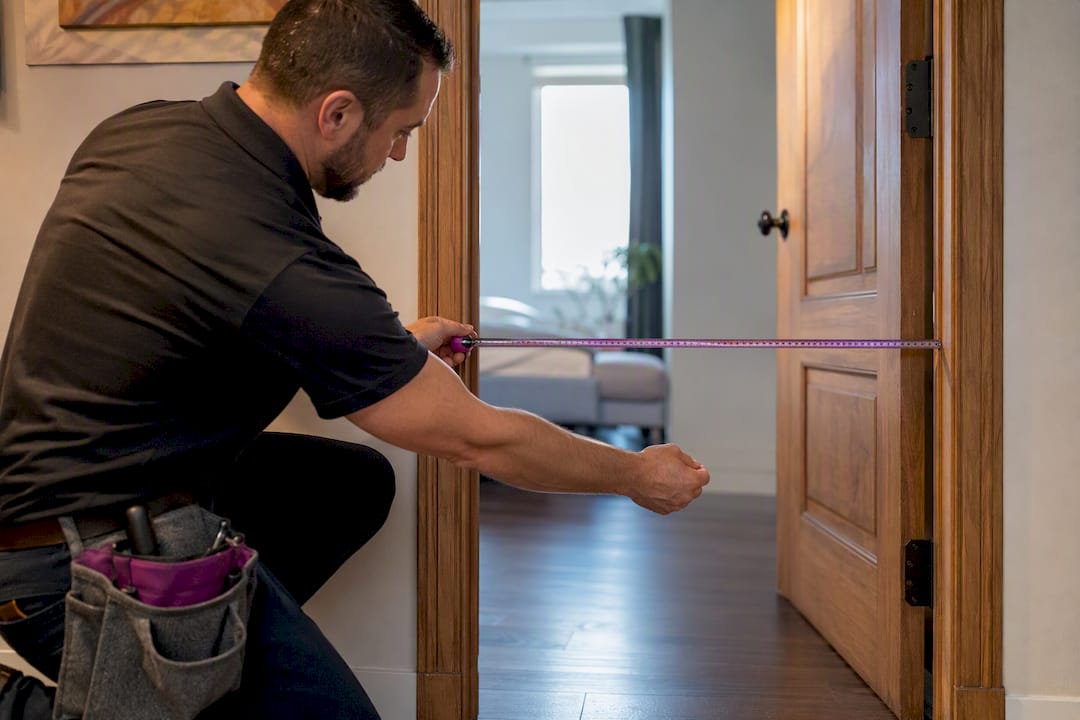
- Your environment: door widths, hallway clearance, ramps, flooring, and wheelchair friendly thresholds
- Pressure care risk, especially for anyone with reduced sensation or limited mobility
Most public programs, private insurers, and equipment suppliers won’t move forward without this OT or PT report attached. A doctor’s note alone rarely satisfies a funder’s clinical justification requirement. It’s the therapist’s detailed write-up, tying your specific limitations to a specific equipment recommendation, that carries the application forward.
Step-by-step: how to get a prescription for a wheelchair in BC
Getting from “I need a wheelchair” to “I have one that fits” follows a fairly predictable sequence, even though the wait times vary.
- Talk to your family doctor, nurse practitioner, community nurse, or hospital case manager. Ask specifically for a referral to Home & Community Care occupational therapy or physiotherapy. Mention any urgency (a recent fall, surgery, discharge date) so the referral is flagged appropriately.
- If the public waitlist is long, consider a private OT or a specialty seating clinic. For complex needs, such as high level spinal cord injury or a history of pressure sores, ask specifically for a referral to a seating clinic like GF Strong rather than a general community therapist.
- Attend the assessment. Expect equipment trials, physical measurements, and a conversation about your daily routine. The OT or PT will document clinical justification and, once satisfied, issue the written prescription that names a specific type or model.
Pro Tip: Bring a list of your daily mobility struggles, not just your diagnosis. Therapists build stronger prescriptions when you can describe exactly where you get stuck: the bathroom doorway, the bus ramp, the two stairs at your sister’s house.
Public wait times for community OTs vary by health authority and region, and they can stretch to weeks or months depending on demand. That’s precisely why so many families arrange a rental in the meantime rather than going without.
Funding programs and eligibility in British Columbia
BC doesn’t have a single funding door. It has several, and most people end up combining more than one.
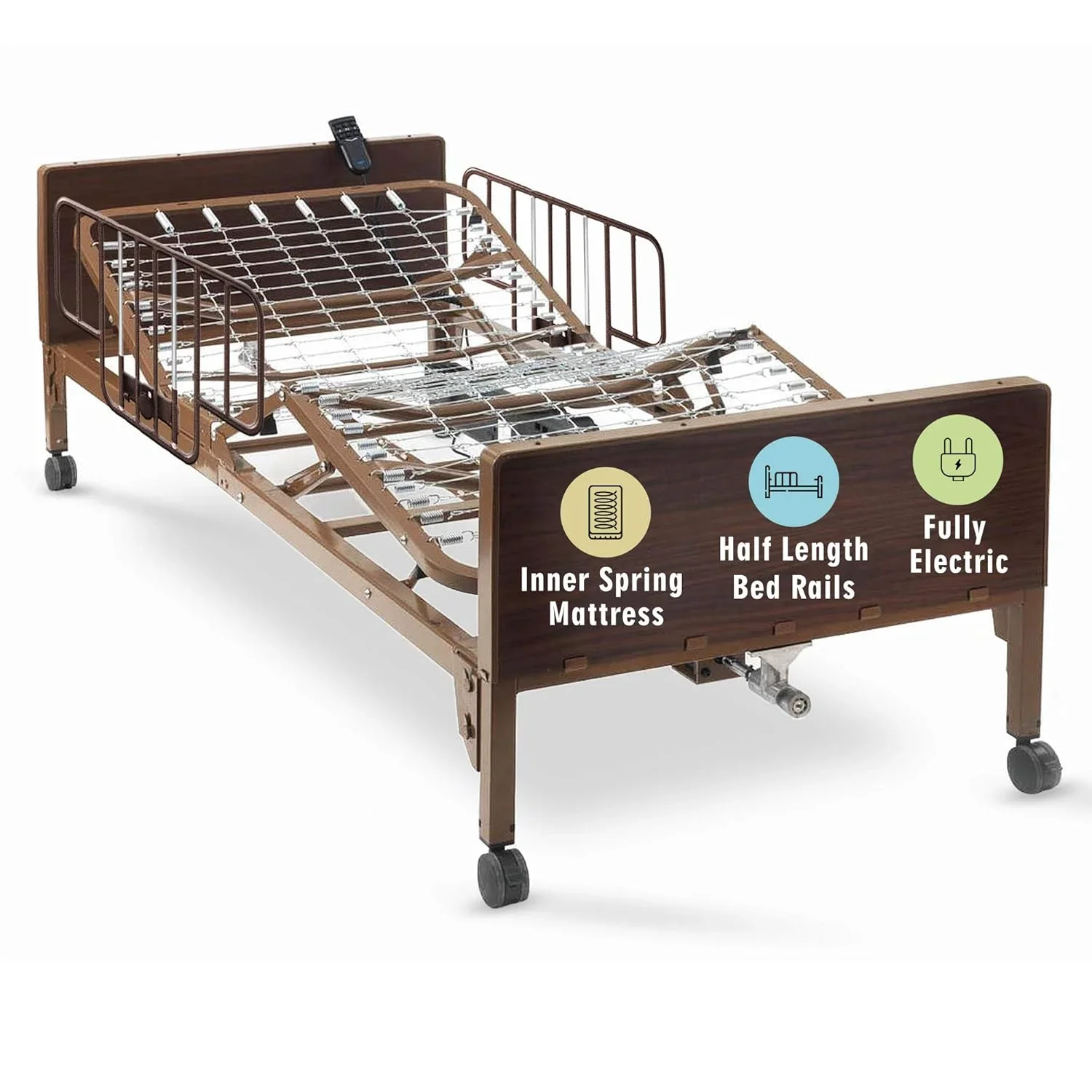
The Medical Equipment Provision Program (MEPP) offers short-term rentals of wheelchairs, walkers, and hospital beds, typically for up to three months, for people facing financial hardship or waiting on other funding to come through. Extensions are possible in specific circumstances, so ask your health authority directly rather than assuming the clock simply runs out.
BCEA medical equipment and devices funding requires pre-approval before you buy anything. The province applies a least expensive appropriate device rule, meaning comfort upgrades and premium features are routinely excluded unless your OT can clinically justify them. Requests need a prescription from a physician or nurse practitioner along with the therapist’s assessment, often submitted on a standardized clinical justification form.
Beyond those two, several other routes exist depending on your situation:
- The At Home program for children and youth with complex health needs
- Veterans Affairs Canada, which may cover hospital equipment costs for eligible veterans
- ICBC claims for equipment needed after a motor vehicle accident
- WorkSafeBC for workplace injuries
- Private extended health benefits through an employer plan
- Disease-specific non-profits, such as the equipment funding program run by BC Cerebral Palsy, which often step in when other coverage falls short
Apply to more than one funder at the same time rather than waiting on a single answer. And tell your OT about every source of coverage you’re pursuing. A therapist who knows you have private insurance alongside a BCEA application can tailor the paperwork so it satisfies both.
Short-term rentals and interim options while you wait
Waiting weeks for an assessment shouldn’t mean staying stuck at home. Rentals exist precisely for this gap, and BC readers generally have two paths.
MEPP rentals apply when you meet the program’s hardship or interim-need criteria, and rental terms and return timelines vary by health authority, so confirm the specifics with your local office before assuming a fixed window.
Private rentals, delivered same-day with equipment sanitized before it arrives, are a completely lawful and often faster short-term option, particularly if you’re facing a hospital discharge tomorrow rather than next month. A rental makes sense when you need mobility now and your final equipment decision isn’t settled yet. Purchasing with custom seating makes more sense once your OT has confirmed exactly what your body and environment require long term.
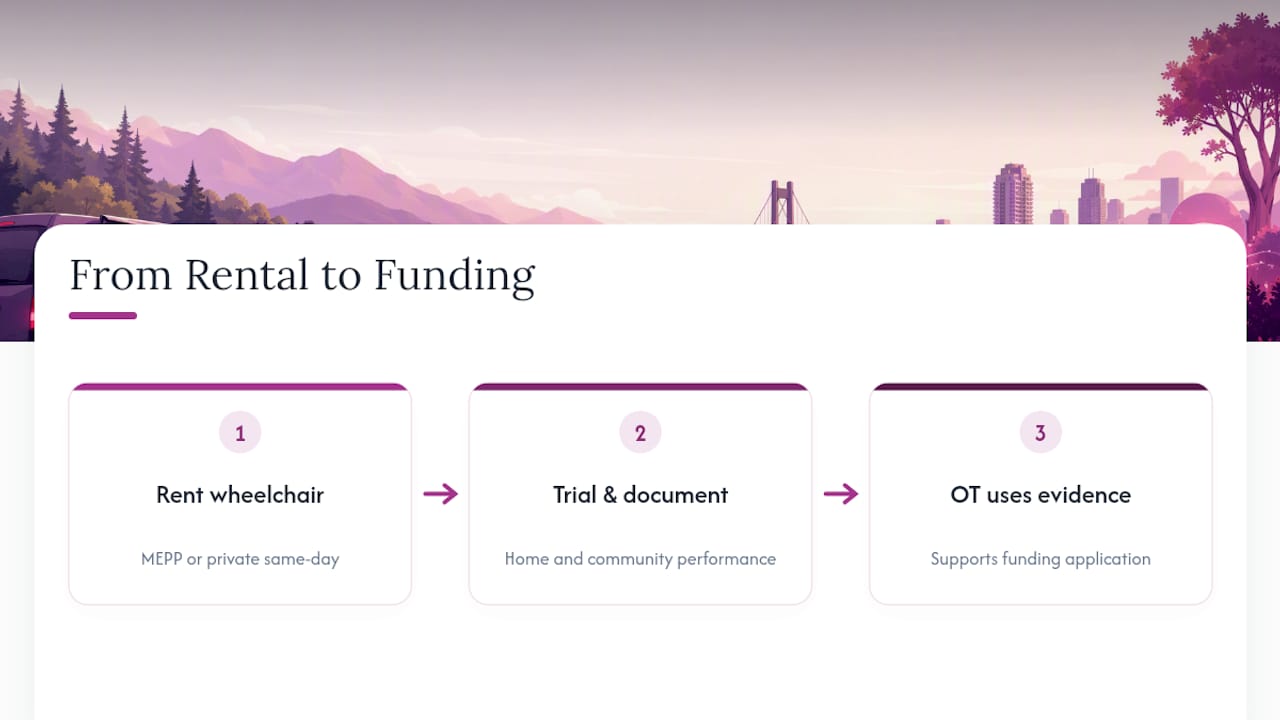
Whichever route you choose, tell your OT what you rented and when. A documented trial on a rented chair, including how it performed in your home and community, can actually strengthen a funding application by giving the therapist real evidence instead of a hypothetical.
How to prepare for your OT/PT assessment and funding application
Walking in prepared shortens the whole process. Bring these to your appointment:
- A diagnosis letter or referral note from your physician or nurse practitioner
- A current medication list and any relevant medical history
- Details of prior equipment you’ve used, including what worked and what didn’t
- Photos of your home layout: doorways, bathroom, stairs, and any tight corners
- A clear sense of your mobility goals, whether that’s getting to work, managing stairs, or simply reaching the kitchen safely
Useful measurements include your height, weight, seating tolerance, and any transfer limitations, along with the width of hallways and doorways your equipment needs to clear. Ask your OT directly for the clinical justification wording, a specific model recommendation, and any program-specific form, such as an HR2138-style document, that your funder requires.
Pro Tip: Disclose every insurance policy and funding source you have at the assessment itself, not after. Therapists write different justification letters depending on which funder is reading it, and backtracking later means resubmitting paperwork.
Costs, timelines and common obstacles (and how to respond)
Public OT waitlists can run long enough that a private assessment becomes worth the cost, especially if you’re facing a hospital discharge date or a rapidly changing condition. Public funding programs also tend to exclude comfort upgrades, tilt features, and premium cushioning unless your therapist documents a specific medical reason for them.
If a funding application gets denied, you have options:
- Request a written explanation and ask what additional documentation would change the outcome
- Get a second opinion or additional clinical notes from your OT or physician
- Check whether a disease-specific non-profit or your private extended health plan can cover the gap
- Appeal directly through the funder’s formal review process rather than reapplying from scratch
Renting first while your paperwork is tightened up, documenting clinical need thoroughly, and asking your supplier about refurbished equipment are all practical ways to keep costs down without compromising safety.
Provider perspective: why rentals matter and how to make the process smoother
Rentals solve the timing problem that funding rules can’t. They buy the weeks a proper assessment needs without leaving anyone stranded at home. What actually speeds up approvals isn’t luck, it’s communication: a supplier who talks to your OT, and an OT who documents your daily limits in plain, specific terms. Advocate for yourself at the assessment. Vague answers produce vague prescriptions.
— Chandan
How Seventhchakra helps while you wait on your prescription
Some medical equipment rental providers offer same-day delivery, fully sanitized equipment, and flexible rental terms with no deposit, helping you maintain mobility while dealing with paperwork. That matters most in the exact window this article is about: after your referral goes in, before your OT’s report or BCEA approval comes through.
Whether you need a standard wheelchair rental, a mobility scooter for someone managing longer distances, or a hospital bed delivered same day for a discharge tomorrow, Seventhchakra serves families and caregivers across Greater Vancouver, Surrey, Burnaby, and Richmond. Call ahead to confirm same-day availability, and once your OT has issued a prescription, tell them what equipment you rented. That documented trial period can actually strengthen your funding file. Check current availability and book online, or call the team directly to talk through what fits your situation.
This article is general information, not a substitute for advice from a qualified doctor. Consult a qualified healthcare professional about your own circumstances before acting on anything here.
Sources
- Wheelchair seating assessment — Spinal Cord Injury BC
- Medical Equipment and Devices — Province of British Columbia
- Medical Equipment Provision Program (MEPP) — Island Health
- Hospital equipment benefits — Veterans Affairs Canada
FAQ
Who prescribes a wheelchair in BC?
An occupational therapist or physiotherapist completes the formal seating assessment and writes the prescription that funders require. Your family doctor or nurse practitioner typically provides the initial diagnosis or referral that gets you into the system.
Are wheelchairs covered in Canada?
Coverage depends on the program and your eligibility. In BC, BCEA covers the least expensive appropriate device with pre-approval, while other routes like MEPP, Veterans Affairs, ICBC, WorkSafeBC, and private insurance apply depending on your circumstances.
How do I get a wheelchair quickly while waiting for funding?
A short-term rental is the fastest option. MEPP offers interim rentals for eligible applicants, and private same-day rental services like Seventhchakra’s wheelchair rental can get equipment to your door the same day you call.
What conditions qualify for disability support in BC?
Eligibility depends on the specific program: BCEA disability assistance, CPP disability, and equipment funding each have different medical and financial criteria. A physician or nurse practitioner’s diagnosis combined with an OT functional assessment usually forms the basis of any application, so start there rather than guessing which program applies.
What happens if my funding application gets denied?
Ask the funder what specific documentation would change the decision, then work with your OT to strengthen the clinical justification. You can also appeal formally, seek a second clinical opinion, or check whether a disease-specific non-profit or your private extended health plan can fill the gap.