
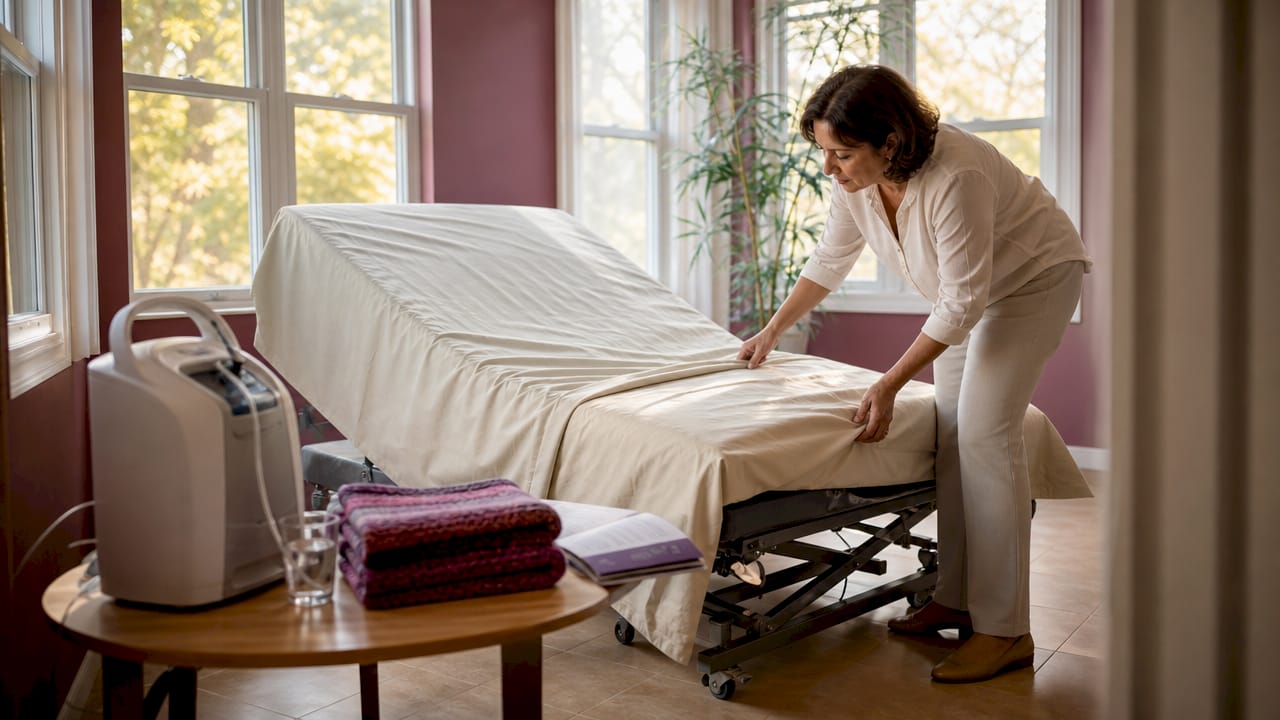
Home medical equipment caregiving is the knowledgeable use and management of medical devices by family caregivers to support patient recovery and daily care at home. The role of home medical equipment caregiving extends well beyond patient comfort. It protects caregivers from physical injury, reduces hospital readmissions, and creates a structured care environment that licensed professionals and families can manage together. Assistive Technology Professionals and home health providers recognise this dual benefit, yet many caregivers still receive little formal preparation before equipment arrives at their door. This guide addresses that gap directly.
How do caregivers prepare for home medical equipment safely?
Preparation is the single most important factor in safe equipment use. A caregiver who receives a hospital bed or oxygen concentrator without instruction is at real risk of misusing it, and so is the patient in their care.
Follow these steps before and on delivery day:
-
Request a professional needs assessment. A physician, occupational therapist, or Assistive Technology Professional should assess the patient before any equipment is ordered. This assessment determines the right device, the right settings, and the right fit for the home.
-
Coordinate delivery with hospital discharge. Equipment delivery timing should align with the patient’s discharge date so there is no gap in care. Confirm the delivery window at least 48 hours in advance.
-
Prepare the home environment. Check electrical outlet availability and clear walking paths before the delivery team arrives. Large equipment like hospital beds and oxygen concentrators need dedicated space and accessible power sources.
-
Request a formal setup demonstration. Caregivers are entitled to ask the delivery technician to demonstrate operation, cleaning, and basic troubleshooting before signing for the equipment. Insist on this demonstration every time, regardless of how simple the device appears.
-
Keep 24/7 emergency contact information posted. Every equipment provider should supply an after-hours support number. Post it near the device and in a shared family contact list.
Pro Tip: Ask the technician to walk you through at least one full care scenario with the equipment before they leave. Watching a demonstration is not the same as practising it yourself.
What types of equipment support caregivers in daily tasks?
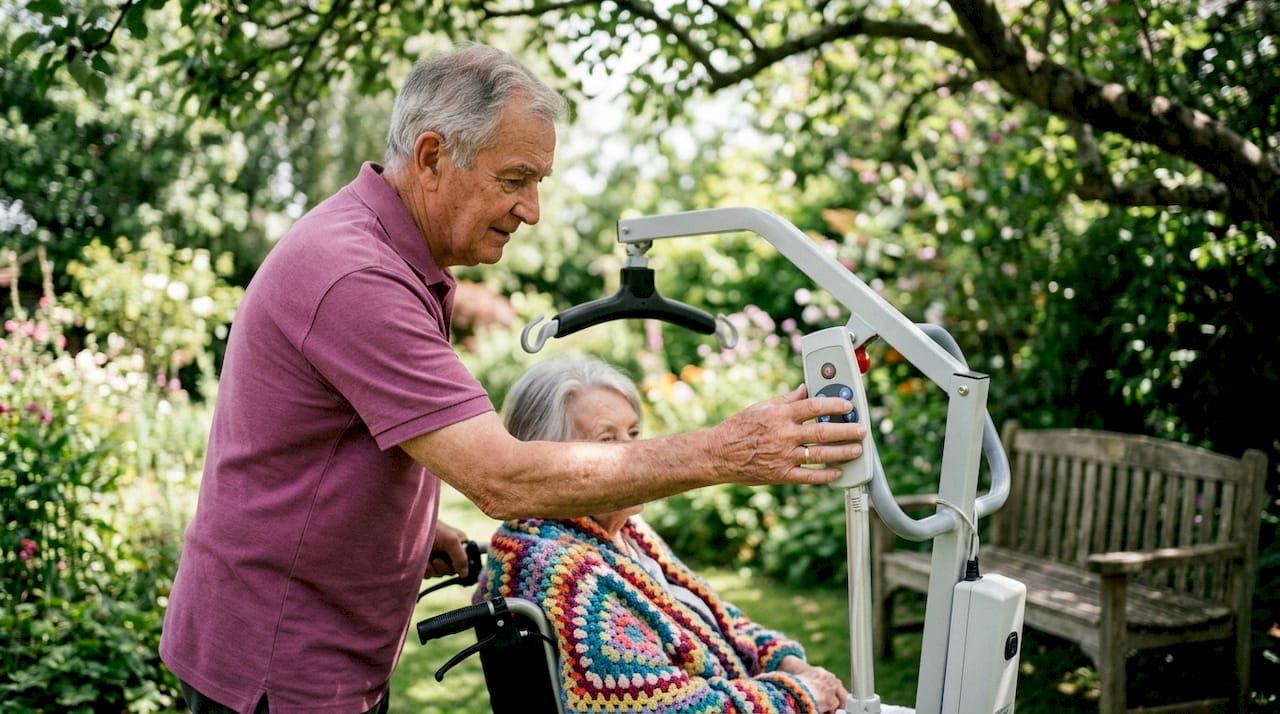
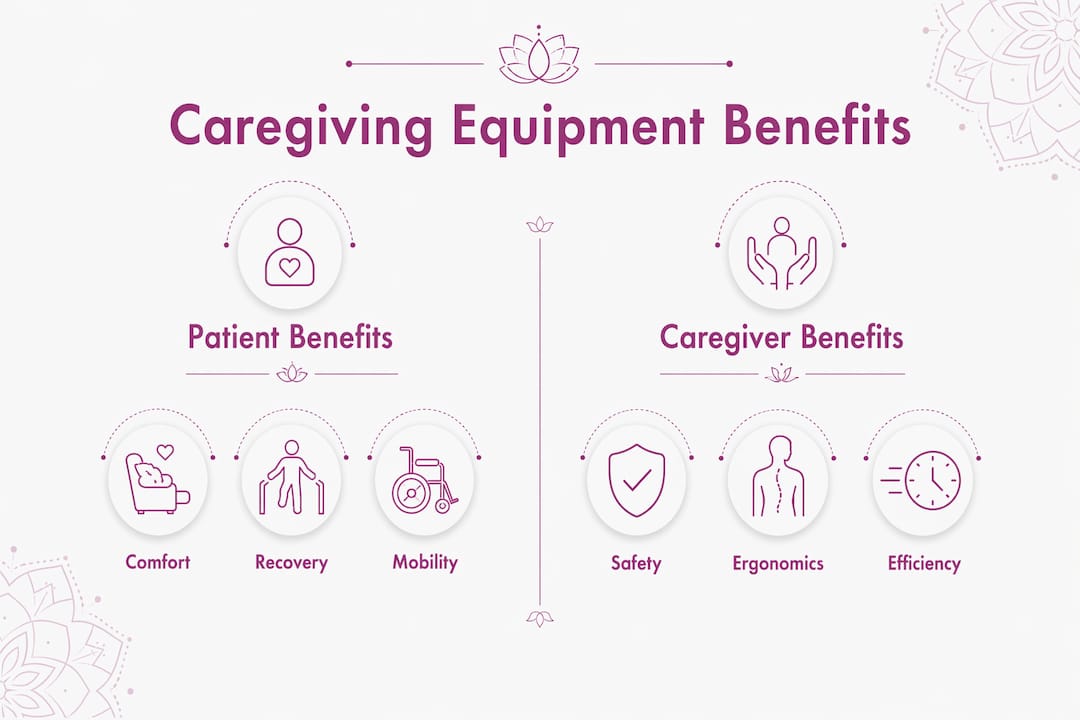
Caregivers often misunderstand medical equipment as solely benefiting the patient, overlooking its critical role in protecting caregiver health. The right device reduces physical strain, prevents chronic injury, and makes daily routines manageable over the long term.
| Equipment type | Primary patient benefit | Primary caregiver benefit |
|---|---|---|
| Adjustable hospital bed | Pressure relief, positioning | Reduces bending and back strain during hygiene tasks |
| Electric patient lift | Safe transfers, fall prevention | Eliminates manual lifting, protects shoulders and back |
| Sit-to-stand device | Builds patient strength | Reduces effort during assisted standing transfers |
| Oxygen concentrator | Continuous oxygen supply | Removes cylinder management and refill logistics |
| Mobility aid (walker, scooter) | Supports independent movement | Reduces hands-on physical assistance needed |
| Alternating pressure mattress | Prevents pressure sores | Reduces frequency of repositioning tasks |
| Overbed table | Accessible surface for meals and activities | Reduces caregiver trips and bending during bedside care |
Adjustable hospital beds prevent caregiver back strain by enabling ergonomic postures during hygiene and repositioning tasks. Raising the bed to working height eliminates repetitive bending, which is a leading cause of caregiver injury over time. Mechanical lifts and adjustable beds are specifically designed to facilitate safer patient transfers and prevent chronic musculoskeletal problems in caregivers.
Pro Tip: When selecting equipment, prioritise devices certified to Canadian Standards Association (CSA) standards and confirm compatibility with the patient’s specific condition before rental or purchase.
What challenges do caregivers face with home medical equipment?
Training gaps are the most common and most dangerous challenge in home medical equipment caregiving. Many family caregivers feel unprepared to operate complex devices, and informal or absent training increases safety risks for both patient and caregiver. High turnover in paid care roles compounds the problem, as knowledge rarely transfers between workers.
Common challenges caregivers face include:
- Insufficient training on device operation. Caregivers often learn by trial and error, which is unsafe with equipment like patient lifts or ventilators.
- Alarm fatigue. Repeated equipment alarms can cause caregivers to ignore alerts that signal genuine problems. Learn what each alarm means and document recurring issues.
- Scope creep. Clinical tasks requiring specialised training remain the responsibility of licensed professionals. Caregivers asked to perform out-of-scope procedures should consult the clinical team immediately.
- Disorganised supplies. Without a system, caregivers waste time searching for consumables during care tasks. Organising supplies by function and keeping backups on hand reduces stress and improves response time.
- Delayed malfunction reporting. Caregivers sometimes attempt to fix equipment themselves rather than reporting faults. Any malfunction that affects patient safety requires a call to the provider’s support line, not a DIY repair.
Establishing a daily routine around equipment use is one of the most effective ways to reduce caregiver stress. Routines create predictability, which helps caregivers feel in control even when the patient’s condition fluctuates.
How can caregivers collaborate with health professionals on equipment use?
A collaborative care framework is the standard of practice for home medical equipment management. No caregiver should manage complex devices in isolation. Joint responsibility between caregivers and clinical teams reduces equipment malfunctions and ensures timely repairs, which directly improves patient safety outcomes.
Effective collaboration involves:
- Clear role boundaries. Physicians prescribe and adjust treatment parameters. Assistive Technology Professionals assess and fit devices. Home health nurses monitor clinical indicators. Caregivers manage daily operation and report changes.
- Regular communication about condition changes. A patient who gains strength may need a different mobility aid. A patient who develops pressure sores may need an alternating pressure mattress. Caregivers who notice changes should contact the clinical team promptly rather than adapting equipment independently.
- Documented maintenance schedules. Keep a written log of cleaning dates, filter changes, battery checks, and any unusual equipment behaviour. This log supports professional assessments and warranty claims.
- Malfunction reporting protocols. Malfunction management requires a partnership approach. Caregivers report the issue, the provider dispatches a technician, and the clinical team adjusts the care plan if needed.
- Advocating for training. Caregivers have the right to request additional instruction whenever a new device is introduced or a patient’s needs change. Never accept “you’ll figure it out” as an answer from any provider.
The electric patient lift is a good example of where collaboration matters most. Correct sling selection and attachment require professional guidance. A caregiver who uses the wrong sling size risks a fall, regardless of how carefully they operate the lift itself.
Key takeaways
Home medical equipment caregiving protects both the patient and the caregiver when equipment is selected correctly, set up with professional guidance, and managed within a collaborative care framework.
| Point | Details |
|---|---|
| Equipment protects caregivers too | Devices like patient lifts and adjustable beds reduce physical strain and prevent chronic injury in caregivers. |
| Preparation prevents misuse | Confirm delivery timing, prepare the home environment, and insist on a setup demonstration before signing for any device. |
| Training gaps are the top risk | Many caregivers learn informally; request formal instruction for every new device introduced into the home. |
| Collaboration improves safety | Regular communication between caregivers and clinical teams reduces malfunctions and keeps care plans current. |
| Routines reduce caregiver stress | Organising supplies and establishing daily equipment routines restores a sense of control during difficult caregiving periods. |
What I’ve learned from watching caregivers adapt to home equipment
The moment a hospital bed arrives in a family home is one of the most emotionally charged transitions in caregiving. I’ve seen it shift the entire atmosphere of a household. The equipment makes the illness visible in a way that a clinic visit does not. That weight is real, and it deserves acknowledgement.
What I’ve also seen, consistently, is that caregivers who treat the equipment as a tool for their own safety, not just the patient’s, adapt far more successfully. The caregiver who learns to raise the bed to the right height before every task is the one who is still physically capable of caring for their loved one six months later. The one who lifts manually “just this once” is often the one who ends up injured and unable to continue.
The transition to home care with medical equipment is emotionally difficult, but establishing routines genuinely helps caregivers regain control. I’ve watched caregivers go from overwhelmed to competent within two weeks, simply by building a consistent daily structure around their equipment.
My strongest advice: do not wait for a professional to tell you what training you need. Ask for it. Ask the delivery technician, the home health nurse, and the equipment provider. The caregivers who advocate for their own knowledge are the ones who keep their patients safest.
— Chandan
How Seventhchakra supports families with home medical equipment
Families in the Greater Vancouver area, including Richmond and Surrey, can access quality home medical equipment through Seventhchakra without upfront deposits or long-term commitments. Every device is sanitised before delivery, and same-day service means you are never waiting when a patient needs equipment urgently.
Seventhchakra offers equipment rentals in Vancouver and Richmond, BC, covering hospital beds, patient lifts, mobility scooters, wheelchairs, and more. The team can match equipment to your patient’s specific needs and caregiver capabilities, so you receive the right device from day one. Contact Seventhchakra to discuss your situation and arrange delivery on your schedule.
FAQ
What is the role of home medical equipment in caregiving?
Home medical equipment supports patient recovery and daily care at home while reducing physical strain on caregivers. Devices like adjustable beds, patient lifts, and mobility aids protect both the patient and the caregiver from injury.
What equipment do caregivers most commonly use at home?
The most common home healthcare tools include hospital beds, electric patient lifts, oxygen concentrators, walkers, wheelchairs, and pressure-relief mattresses. Each device addresses a specific care need and reduces the physical demands placed on the caregiver.
How should caregivers prepare before medical equipment is delivered?
Caregivers should confirm delivery timing with the hospital discharge team, clear space and check electrical outlets in advance, and request a full setup demonstration from the delivery technician before signing for the equipment.
When should a caregiver call for professional help with equipment?
Any malfunction that affects patient safety requires an immediate call to the provider’s 24/7 support line. Caregivers should not attempt repairs themselves, as improper fixes can create additional hazards.
Can caregivers perform clinical tasks using home medical equipment?
Clinical tasks requiring specialised training remain the responsibility of licensed professionals. Caregivers who are asked to perform procedures outside their scope should contact the clinical team before proceeding.


