Walking frames in rehabilitation: a patient and caregiver guide
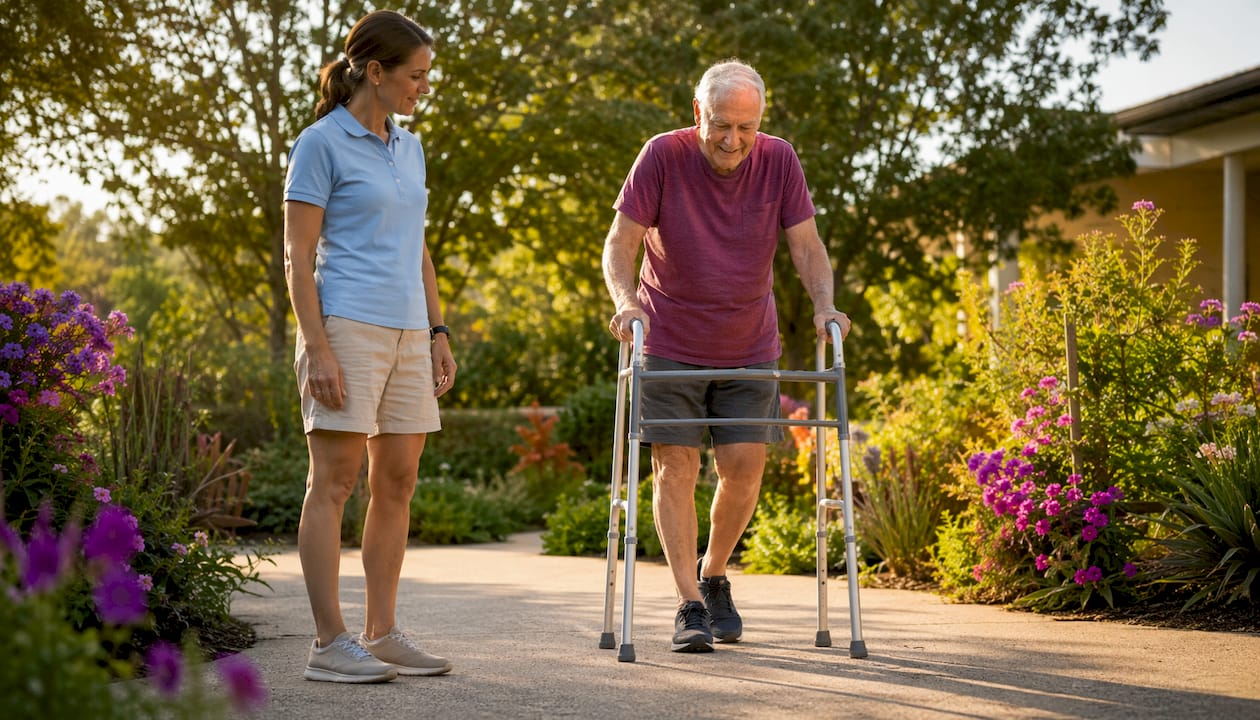
A walking frame is a prescribed mobility tool that reduces load on the legs, improves stability, and gives patients a safe structure for practising gait and daily activities during recovery. The single most important next step: arrange a clinical assessment with a physiotherapist or occupational therapist before using any frame.
What walking frames do in rehabilitation:
- Reduce weight-bearing load on an injured or post-surgical leg, decreasing pain and protecting healing tissue
- Widen the base of support, making standing and stepping safer for people with balance impairment
- Enable gait practice at a controlled pace, helping the nervous system relearn normal movement patterns
- Support independence in daily activities (ADLs) such as moving to the bathroom, kitchen, or bedroom
- Build confidence for patients who fear falling, which itself improves participation in therapy
Three bodies you will encounter in the Canadian system: the Canadian Physiotherapy Association (CPA), which sets clinical standards; Alberta Aids to Daily Living (AADL), which funds walking aids for eligible Albertans; and the Ontario Assistive Devices Program (ADP), which provides similar funding in Ontario.
Next action: Contact your hospital physiotherapist, community rehab clinic, or family physician to arrange a formal mobility assessment before selecting or renting a frame.
Table of Contents
- What does the research actually say about walking frames in rehab?
- Which type of walking frame suits your rehabilitation goal?
- How clinicians assess, fit, and train safe frame use
- Safety: what can go wrong and when frames increase fall risk
- How walking frames fit into a progressive rehabilitation plan
- How to get a walking frame in Canada: funding, rental, and purchase
- Key takeaways
- What physiotherapists want patients and caregivers to understand
- Seventhchakra makes same-day rental straightforward in Greater Vancouver
- Useful sources
- FAQ
What does the research actually say about walking frames in rehab?
The evidence supports walking frames as useful rehabilitation tools for seniors and adults recovering from surgery or neurological events, but with important caveats that any honest guide must state plainly.
A systematic review of 16 studies concluded that walking frame use affects gait patterns and some physiological outcomes, while effects on posture and balance remain unclear. The same review found the evidence base is largely of poor quality, and that frames neither prove nor disprove effectiveness in preventing falls. That is not a reason to avoid frames; it is a reason to pair them with training, environmental changes, and strengthening exercises rather than treating the device alone as the intervention.
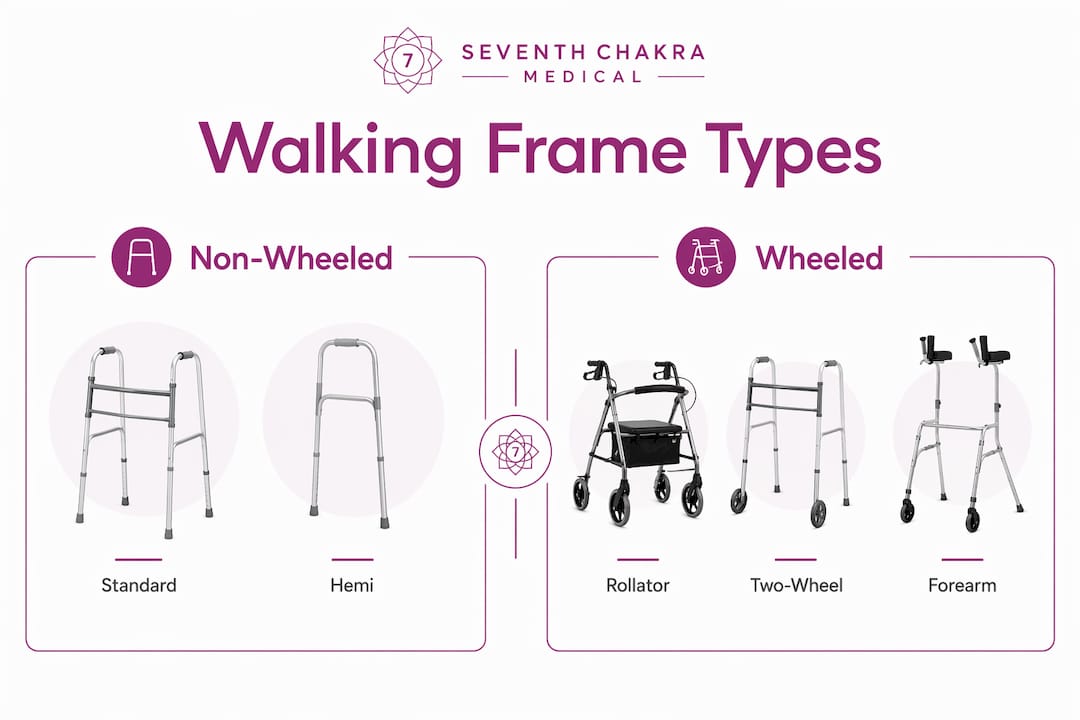
On the stability-versus-distance trade-off, clinical evidence is clearer. NCBI Bookshelf’s clinical overview of walkers notes that four-wheeled rollators support functional mobility over longer distances with less energy expenditure, while non-wheeled frames offer maximum safety for patients who need a firm, stationary base. Neither device is universally superior; the right choice depends on the patient’s specific impairments.
Canadian rehabilitative care frameworks go further. The Rehab Care Alliance mandates that gait training and equipment assessment be integrated into active, post-acute, and community rehabilitation programmes for Canadian patients, including after hip fracture. Walking frames are not optional extras in these frameworks; they are prescribed components of a structured plan.
Where the evidence is weakest:
- Fall prevention: observational data from Physio-Pedia links walker use with higher falls rates in some populations, likely because frailer patients are more often prescribed frames, not because frames cause falls
- Long-term outcomes: most studies are short-term; effects over months to years are poorly documented
- Posture and balance: effects remain genuinely unclear across the reviewed literature
Pro Tip: The benefit of a walking frame is not in the device itself but in how it is used. Training, a clear home environment, and progressive strengthening exercises determine whether a frame helps or hinders. A frame without a plan is just furniture.
Which type of walking frame suits your rehabilitation goal?
Choosing the right frame is a clinical decision, but understanding the categories helps patients and caregivers ask better questions. The main types differ substantially in stability, energy cost, and the environments where they work safely.
Standard walker (Zimmer frame / pick-up frame)
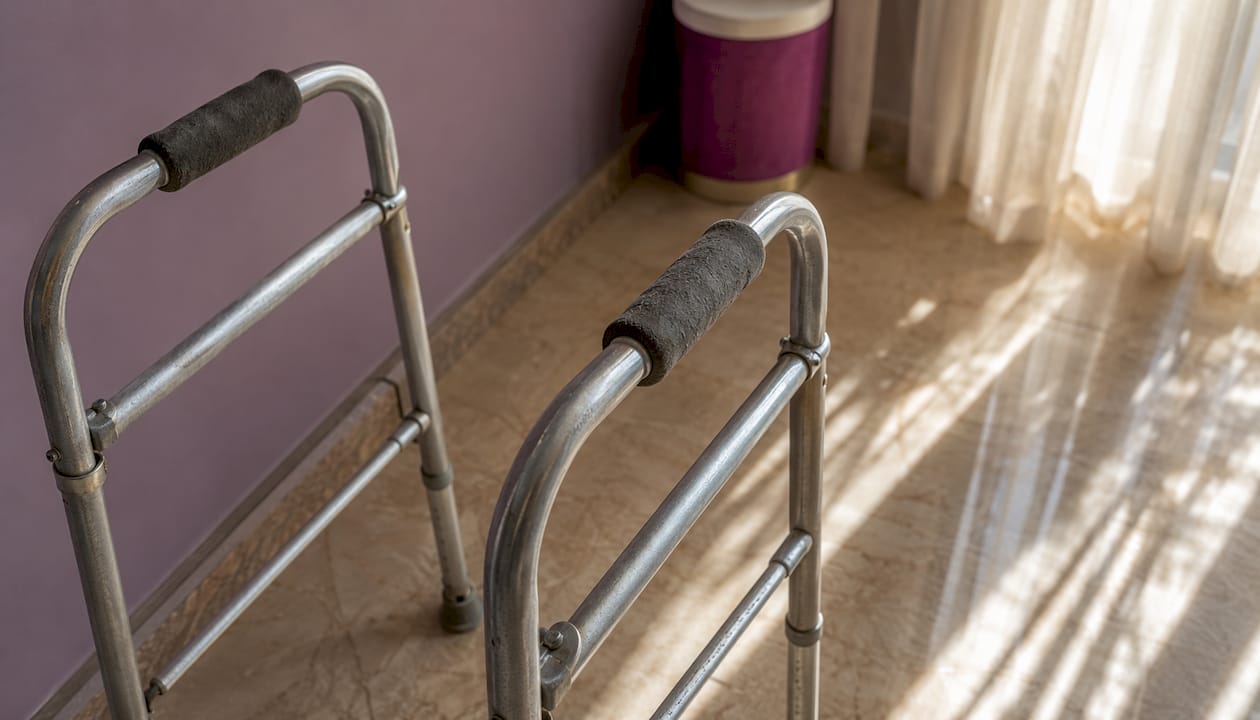
The standard non-wheeled walker, often called a Zimmer frame, is lifted and placed forward with each step. It produces a stop-start gait pattern and is slower than wheeled alternatives, but it offers the highest stability of any frame type. It suits patients with significant balance impairment, those on strict weight-bearing restrictions post-surgery, or anyone who needs a completely stationary base before each step.
Rollator (four-wheeled walker)
The rollator rolls continuously, which clinical evidence shows lowers energy cost and supports longer walking distances. Most models include hand brakes and a fold-down seat. The trade-off is reduced stability compared to a standard walker; patients must have enough cognitive and motor ability to control the brakes and manage the rolling motion. Rollators suit patients building endurance, those with mild-to-moderate balance issues, and anyone who needs to rest mid-distance.
Front-wheeled walker (two-wheel walker)
Two front wheels with rear rubber tips offer a middle ground: the frame glides forward without being fully lifted, reducing upper-body effort compared to a Zimmer frame, while the rear tips provide a braking effect when weight is applied. University of Salford research emphasises that usage patterns with front-wheeled walkers often do not facilitate stability, and that narrow frames reduce stability further. Prescription requires careful attention to frame width and user technique.
Hemi-walker
A hemi-walker is a compact, one-sided frame used with a single hand. It suits patients with unilateral weakness, such as those recovering from stroke, who need support on one side but retain functional use of the other arm. It is more stable than a single cane but less so than a full frame.
Forearm support walker
Forearm platforms replace hand grips, distributing weight through the forearms rather than the wrists and hands. Health New Zealand guidance notes these may improve posture and gait efficiency for patients who cannot bear weight through their hands due to arthritis or upper-limb conditions.
Comparison: frame types by key rehabilitation criteria
| Frame type | Stability | Energy cost / distance | Primary indications | Key features | Environment |
|---|---|---|---|---|---|
| Standard walker (Zimmer) | Highest | High / short distances | Severe balance impairment, strict weight-bearing limits | No wheels, rubber tips, adjustable height | Indoors, level surfaces |
| Rollator (4-wheel) | Moderate | Low / longer distances | Mild-moderate balance issues, endurance building | Wheels, hand brakes, fold seat, portability | Indoors and outdoors (large wheels for uneven terrain) |
| Front-wheeled walker | Moderate-high | Moderate / medium distances | Moderate balance impairment, reduced upper-body strength | 2 front wheels, rear tips | Indoors, smooth surfaces |
| Hemi-walker | Moderate | Moderate / medium distances | Unilateral weakness (e.g. post-stroke) | One-sided, single-hand use | Indoors |
| Forearm support walker | Moderate | Moderate | Hand/wrist arthritis, upper-limb conditions | Forearm platforms, adjustable | Indoors, level surfaces |
Pros and cons at a glance:
- Standard walker: maximum stability, protects healing joints; slow gait, tiring to lift repeatedly, limits distance
- Rollator: covers distance with less effort, includes rest seat; requires brake control, less stable on slopes
- Front-wheeled walker: easier to advance than Zimmer, less lifting; stability depends heavily on correct technique
- Hemi-walker: one-handed use frees the stronger side; limited to patients with sufficient one-sided strength
- Forearm walker: offloads wrists and hands; bulkier, less portable, requires fitting expertise
Pro Tip: Heavier, feature-rich rollators can compromise posture and manoeuvrability for patients who only need basic balance support. Match the frame’s weight to the user’s upper-body strength — a patient who struggles to control a 7 kg rollator is safer on a lighter standard walker.
How clinicians assess, fit, and train safe frame use
In Canada, physiotherapists and occupational therapists are the authorised assessors for walking aid prescription. Physicians can refer, but the hands-on assessment and fitting are clinical tasks.
What the assessment covers:
- Cognition: can the patient learn and retain safe use instructions?
- Strength: upper and lower limb strength to advance and control the frame
- Balance: static and dynamic balance scores (Berg Balance Scale, Timed Up and Go)
- Endurance: how far can the patient walk before fatigue affects control?
- Weight-bearing status: surgeon’s or physician’s documented restrictions
- Home environment: doorway widths, floor surfaces, step counts, clutter
- Device weight limits: the patient’s body weight must fall within the frame’s rated capacity
Provincial funding programmes reinforce this process. AADL requires documented clinical need and an authorised practitioner assessment before funding a walking aid. Ontario’s ADP has equivalent requirements. Keep all assessment documentation; you will need it for funding applications and rental fitting.
Step-by-step fitting and training sequence:
- Set handle height: with the patient standing upright, handgrips should align just above the wrist crease. Elbows should have a slight bend (roughly 15–20 degrees) when gripping.
- Check posture: the patient should stand upright inside or behind the frame, not stooped forward. Stooping shifts weight incorrectly and undermines upper-limb support.
- Advance the frame: move the frame forward one step length, place all four tips or wheels firmly on the ground, then step the weaker or affected leg forward, followed by the stronger leg.
- Confirm ground contact: all four frame legs must contact the ground before each step. A frame lifted or tilted during stepping is a fall waiting to happen.
- Practise turning: small, shuffling steps in a wide arc; never pivot on one foot while holding the frame.
- Practise backing up: small reverse steps, keeping the frame close; never reach backward for the frame.
- Seated transfers: place the frame within reach but do not use it to push up from a chair. Push up from the chair’s armrests, then grasp the frame once standing.
- Single-step navigation: for a single step or landing, engage brakes (if present), place the frame on the landing, confirm all legs are stable, then step up or down.
Clinicians document progress using the Berg Balance Scale, Timed Up and Go (TUG), and the Patient-Specific Functional Scale (PSFS). These measures track whether the frame is improving function or whether the patient is ready to progress to a less-supportive aid.
Pro Tip: Caregivers, practise the transfer sequence alongside the patient during the first few sessions. The most common dangerous moment is the sit-to-stand transfer. If the patient reaches for the frame to push up, gently redirect them to the chair arms every time, until it becomes automatic.

Safety: what can go wrong and when frames increase fall risk
Walking frames improve safety when used correctly and can paradoxically increase fall risk when they are not. University of Salford research found that usage patterns frequently do not facilitate stability, and that environmental factors, not just device choice, determine outcomes.
Common dangerous mistakes:
- Pulling on the frame to stand up from a chair (tips the frame forward)
- Frame height set too low (forces stooping) or too high (reduces elbow control)
- Carrying the frame above the ground instead of using it for support
- Moving too far forward into the frame or lagging too far behind it, both of which destabilise the system
- Using the frame on a full flight of stairs (frames are not designed for stair climbing)
- Using a frame in a cluttered environment without first clearing pathways
Red-flag contraindications:
- Severe cognitive impairment without a trained caregiver present at all times
- Inability to lift, advance, or control the device due to upper-limb weakness
- Major uncorrected visual impairment that prevents scanning the path ahead
- Body weight exceeding the device’s rated weight limit
- Environments where the frame cannot be used safely (very narrow doorways, thick carpet that catches tips)
Physio-Pedia notes that observational data links walker use with higher falls rates in some populations, but attributes this to patient frailty rather than device harm. The protective factor is prescription and education, not device selection alone.
Caregiver safety checklist (check weekly):
- Rubber ferrules (tips) are intact, not worn smooth or cracked
- All four legs are equal length and the frame sits level
- Brakes (if present) engage and hold firmly before the patient’s weight is applied
- No loose screws or height-adjustment pins
- Frame is not shared between users without a full refit for the new user’s height and weight
Pro Tip: Watch the patient walk the first few metres of their morning routine, not just during formal therapy. Fatigue, pain medication timing, and low lighting at home reveal unsafe habits that never appear in a clinic. If you see the patient leaning heavily to one side or shuffling the frame rather than placing it, flag it at the next therapy session.
How walking frames fit into a progressive rehabilitation plan
A walking frame is rarely the endpoint of rehabilitation. Canadian hip fracture best-practice frameworks treat frames as one stage in a progressive mobility plan that includes gait training, balance and strengthening programmes, and outcome measurement.
How frames support specific rehab goals:
- Partial weight-bearing: the frame transfers load through the arms, reducing force through the healing leg by a clinically meaningful amount
- ADL practice: patients use the frame to move safely between rooms, building the endurance and confidence needed for independent living
- Endurance building: graded distance practice, starting with short corridors and progressing to outdoor surfaces
- Balance challenge: as strength improves, therapists introduce obstacle negotiation and uneven surfaces while the frame remains available for safety
Therapist-led exercises paired with frame use:
- Standing weight shifts: holding the frame, shift weight slowly side to side to activate hip stabilisers
- Assisted marching: lift alternate feet slightly while holding the frame, building hip flexor strength
- Step practice: controlled forward steps with deliberate placement, focusing on heel-strike pattern
- Distance progression: structured increases in walking distance each session, tracked against TUG times
- Obstacle negotiation: stepping over low obstacles (a rolled towel) with the frame, preparing for real-world environments
Typical progression milestones:
- Weeks 1–2 post-surgery or acute event: standard walker or Zimmer frame, short distances, supervised
- Weeks 3–6: transition to front-wheeled walker or rollator as strength and balance improve; TUG times tracked
- Weeks 6–12+: progression to a single cane or independent walking for patients meeting balance and strength criteria
- Ongoing reassessment: many patients are reassessed multiple times; progression is not linear and setbacks are normal
Timeline note: Recovery timelines vary considerably depending on diagnosis, age, pre-existing conditions, and therapy intensity. Some patients use a frame for weeks; others require one for months or longer. Reassessment, not a fixed calendar, drives progression decisions.
How to get a walking frame in Canada: funding, rental, and purchase
Access routes in Canada fall into three broad categories: provincial funding programmes, private rental, and outright purchase.
Provincial funding programmes:
- Alberta Aids to Daily Living (AADL): funds walking aids for clients with documented long-term ambulation difficulty, within device weight limits, following an authorised practitioner assessment. Accessories such as slow-down brakes and oxygen holders require separate documented clinical need; clients likely to need accessories in future should receive a compatible base model from the outset.
- Ontario Assistive Devices Program (ADP): provides similar funding for Ontario residents with a chronic physical disability; a registered ADP authoriser (physiotherapist or occupational therapist) must complete the application.
- Other provinces: most provinces have equivalent programmes; contact your provincial health authority or a registered physiotherapist for local details.
Rental versus purchase checklist:
| Factor | Rental | Purchase |
|---|---|---|
| Short-term post-op need (weeks) | Better fit | Unnecessary cost |
| Long-term or permanent need | May cost more over time | Better long-term value |
| Sanitization before use | Ask supplier explicitly | Your responsibility |
| Trial fitting at delivery | Available from good suppliers | Depends on retailer |
| Accessories (brakes, holders) | Confirm compatibility before renting | Confirm at point of sale |
| Same-day access | Available from local suppliers | Depends on stock |
For readers weighing local options, the Vancouver mobility equipment guide covers rental and purchase options across the Greater Vancouver area.
Pro Tip: When renting, ask four questions before confirming: Is the frame sanitised before delivery? Can a technician adjust the height at delivery? Does this model accept slow-down brakes or an oxygen holder if I need one later? Is same-day delivery available? A supplier who cannot answer all four confidently is worth reconsidering.
If you are transporting a rollator or wheelchair to appointments or day trips, a hitch carrier with ramp makes loading and unloading significantly easier for caregivers managing larger mobility aids.
Key takeaways
Walking frames reduce leg load, improve stability, and enable gait practice during rehabilitation, but their benefit depends entirely on correct fitting, trained use, and a progressive clinical plan.
| Point | Details |
|---|---|
| Clinical assessment first | A physiotherapist or occupational therapist must assess, fit, and train safe use before any frame is used independently. |
| Evidence supports gait benefits, not fall prevention alone | Systematic reviews confirm effects on gait and physiology; fall prevention is multifactorial and depends on training and environment. |
| Match frame to goal | Standard walkers suit maximum stability needs; rollators suit endurance and longer distances; hemi-walkers suit unilateral weakness. |
| Provincial funding is available | AADL (Alberta) and ADP (Ontario) fund walking aids for eligible patients with documented clinical need and an authorised assessment. |
| Seventhchakra rental option | Seventhchakra offers same-day rollator and wheelchair rentals in Greater Vancouver, with sanitization and fitting at delivery, for short-term post-operative needs. |
What physiotherapists want patients and caregivers to understand
The most common mistake I see in rehabilitation is treating a walking frame as a permanent solution rather than a temporary scaffold. Patients and families sometimes become attached to the device, and that attachment can quietly slow recovery. The frame’s job is to make safe movement possible while strength and balance are rebuilt through exercise; it is not a substitute for that rebuilding.
What actually determines outcomes is the combination of a well-fitted device, a clear home environment, a caregiver who understands the safety rules, and a progressive exercise plan. Any one of those elements missing and the frame’s benefit shrinks considerably. Caregivers who attend therapy sessions, learn the transfer techniques, and clear the home of trip hazards contribute more to recovery than any device upgrade.
One practical note for families: communicate changes to the rehab team promptly. If the patient is using the frame differently at home than in clinic, if they are avoiding certain rooms, or if their confidence has dropped, those are clinical signals. A brief phone call to the physiotherapist can prevent a fall and keep the progression plan on track.
Seventhchakra makes same-day rental straightforward in Greater Vancouver
Recovery from surgery or a fall rarely follows a convenient schedule, and waiting weeks for equipment is not an option when a patient is being discharged. Seventhchakra delivers sanitised mobility equipment to Greater Vancouver homes the same day, with no upfront deposit and no long-term rental commitment required.
For patients needing a four-wheel rollator for post-operative gait practice, a standard wheelchair for longer outings, or a hospital bed rental to support safe recovery at home, Seventhchakra handles delivery, sanitization, and height fitting at the door. Rental terms are flexible, so equipment can be returned once the patient progresses to a less-supportive aid. Consult your physiotherapist or occupational therapist to confirm which equipment is clinically appropriate for your situation before renting.
Useful sources
The following resources support the clinical and funding information in this article. Keep copies of any assessment documentation for provincial funding applications and rental fitting.
- Walkers: clinical overview (NCBI Bookshelf): peer-reviewed clinical summary of walker types, indications, and evidence; useful for patients wanting the primary clinical rationale.
- Systematic review of walking frames for older people: the most comprehensive published review of 16 studies; honest about evidence quality and the limits of fall-prevention claims.
- University of Salford: walking frames research hub: practitioner guidance and user leaflets on front-wheeled walkers, environment assessment, and safer use; particularly useful for caregivers.
- Physio-Pedia: Walkers: accessible clinical summary covering prescription principles, independence benefits, and the importance of education.
- Rehab Care Alliance: hip fracture best-practice framework: Canadian framework mandating gait training, mobility aid assessment, and outcome measures (Berg, TUG) as core components of hip fracture recovery.
- AADL walking aids and accessories manual: Alberta’s official funding criteria, eligibility requirements, and accessory documentation rules; essential for Alberta residents applying for funded walking aids.
- Health New Zealand: walking frames: practical device-choice guidance covering four-stopper frames, seats, and forearm walkers; useful for caregivers comparing options (note: New Zealand context, not Canadian funding).
Reminder: Always keep your physiotherapist’s or occupational therapist’s written assessment and device prescription. Provincial programmes (AADL, ADP) require this documentation, and rental suppliers use it to confirm correct fitting.
FAQ
Why do people use walking frames during recovery?
Walking frames reduce load on injured or post-surgical legs, widen the base of support for safer stepping, and allow patients to practise gait and daily activities while strength and balance are still rebuilding. They are prescribed tools, not optional accessories.
When should an older adult start using a walker?
A physiotherapist or occupational therapist determines the right time, typically when balance impairment, lower-limb weakness, or weight-bearing restrictions make unsupported walking unsafe. Starting too late increases fall risk; starting with the wrong device can do the same.
Who should not use a rollator walker?
Patients with severe cognitive impairment who cannot learn brake use, those with significant upper-limb weakness that prevents controlling a rolling frame, and anyone whose body weight exceeds the device’s rated limit should not use a rollator without specialist assessment. A standard walker is often safer for these patients.
What should a patient avoid when using a Zimmer frame?
Never pull on the frame to push up from a chair, carry the frame above the ground, use it on a full flight of stairs, or position yourself too far forward or too far back inside the frame. All four legs must contact the ground firmly before each step.
Does using a walking frame prevent falls?
Not on its own. Systematic review evidence neither proves nor disproves the effectiveness of walking frames in preventing falls. Fall risk is multifactorial; training, environmental changes, and strengthening exercises are equally important alongside the device itself.