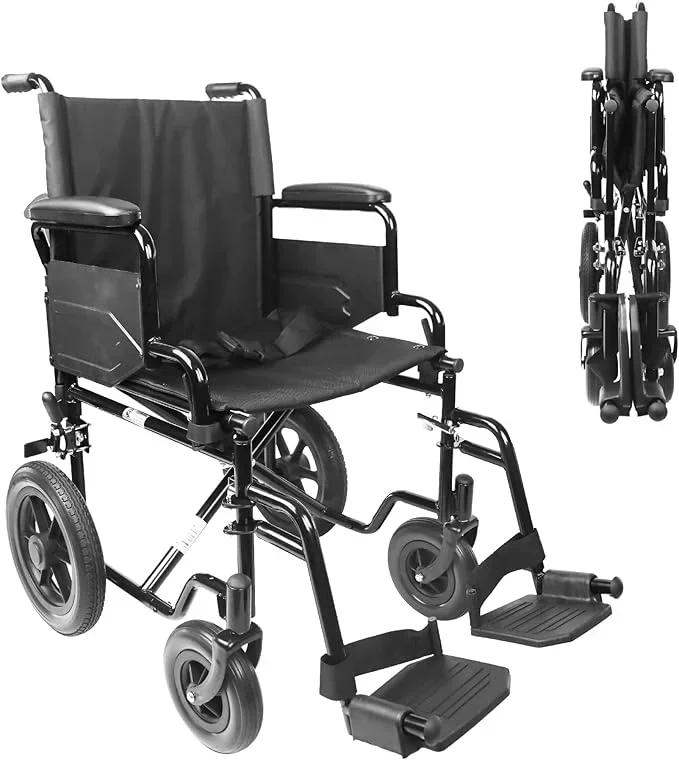
Vancouver Rentals Cut Pressure: Wheelchair Comfort Accessories
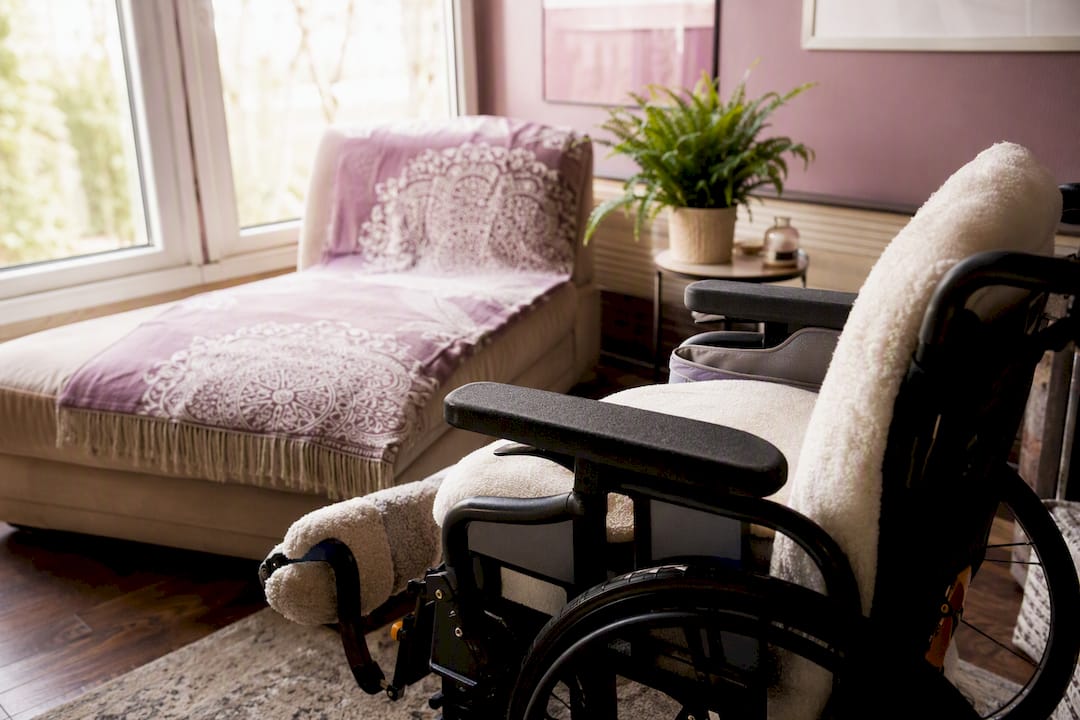
The accessories that make the biggest difference are a properly matched seat cushion, a supportive backrest, and a positioning belt. Together, they address both comfort and pressure-injury prevention, which is the framing that matters most for daily wheelchair use. Add armrest pads, anti-tippers, and weather protection as needed. The fastest way to find what works is to trial a cushion or back support before buying, something a rental service like Seventhchakra makes easy without a big upfront cost.
TL;DR:
- Air cushions are best for pressure relief, especially for users with a high risk of skin breakdown, and should be tested through rental trials first.
- Rigid or contoured backrests are crucial for maintaining pelvic alignment and should be evaluated alongside cushions to prevent posture worsening.
- Leg rests, armrest pads, and positioning belts are inexpensive but must be properly fitted and tested, with rental options recommended for high-cost or uncertain needs.
- Regular maintenance of cushions, including weekly inflation checks and inspections for damage, is essential to ensure ongoing pressure distribution and skin safety.
- Renting accessories before purchasing helps identify the most suitable options and reduces financial risk, especially for high-cost items like air cushions and rigid back supports.
Table of Contents
- Top wheelchair accessories for comfort and safety
- Choosing the right cushion: air, gel, foam, or hybrid
- Why backrests and posture supports matter as much as the cushion
- Arm, leg, and positioning accessories worth a closer look
- Safety and everyday convenience accessories
- How to choose, fit, and trial accessories safely
- Keeping accessories clean, comfortable, and safe long term
- What we hear most from wheelchair users and caregivers
- Try before you buy: renting comfort accessories through Seventhchakra
- Sources
- FAQ
Top wheelchair accessories for comfort and safety
Comfort accessories only work when they solve a real problem. Here’s a ranked look at what tends to matter most, starting with the items that affect skin health and posture every single day.
- Seat cushions — the single biggest lever for pressure relief and daily comfort. Air, gel, and foam versions each behave differently under load, which the next section breaks down in detail.
- Rigid or contoured backrests — replace a sagging sling back to keep the pelvis aligned and reduce slouching over long sitting periods.
- Positioning belts — hold the pelvis in place so the cushion and backrest can actually do their job, especially for users with limited trunk control.
- Armrest pads — cushion pressure points on the elbows and forearms, useful for anyone who leans or pushes through the arms often.
- Elevating leg rests — reduce swelling in the lower legs and support foot positioning, though they add weight and change how the chair transfers.
- Anti-tippers and wheel-lock extensions — reduce the chance of a backward tip and make it easier to lock wheels without leaning forward.
- Trays and storage bags — add convenience for eating, reading, or carrying items, but shift the centre of gravity if overloaded.
- Weather protection — ponchos, canopies, and glove attachments that matter more in a Canadian climate than most guides admit.
Cushions and rigid backrests are the two items worth renting before buying. They’re expensive to get wrong, and comfort needs often change within the first few weeks of daily use. Leg rests are the next-best candidate for a trial run, particularly for anyone managing swelling or a healing injury. Positioning belts and armrest pads, by comparison, are cheap enough that most people just buy the right size outright once a clinician or fitter confirms fit.
Choosing the right cushion: air, gel, foam, or hybrid
Cushion choice is where evidence should override guesswork. A systematic review of wheelchair cushion properties found that air cushions consistently reduce interface pressure more than gel or foam. Foam-gel hybrids perform best at controlling temperature buildup, while plain foam cushions handle moisture better than either alternative.
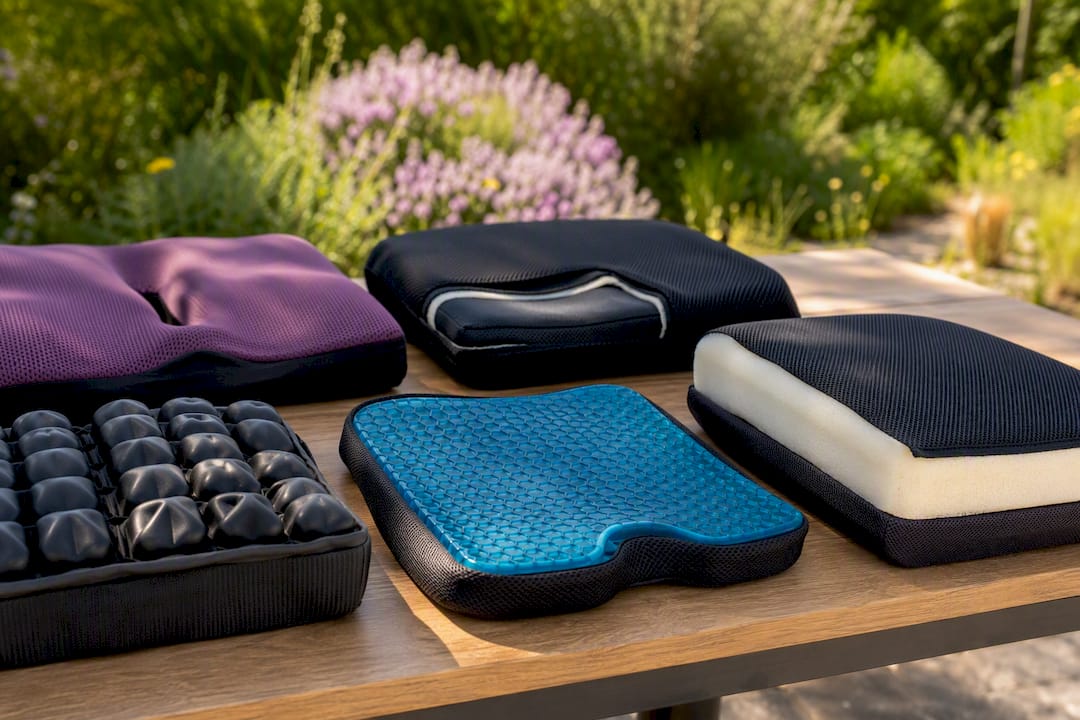
That means the “best” cushion depends entirely on which problem you’re solving. Someone with a history of skin breakdown needs pressure relief first. Someone who overheats after an hour in the chair needs a breathable hybrid. There isn’t one cushion that wins on every measure.
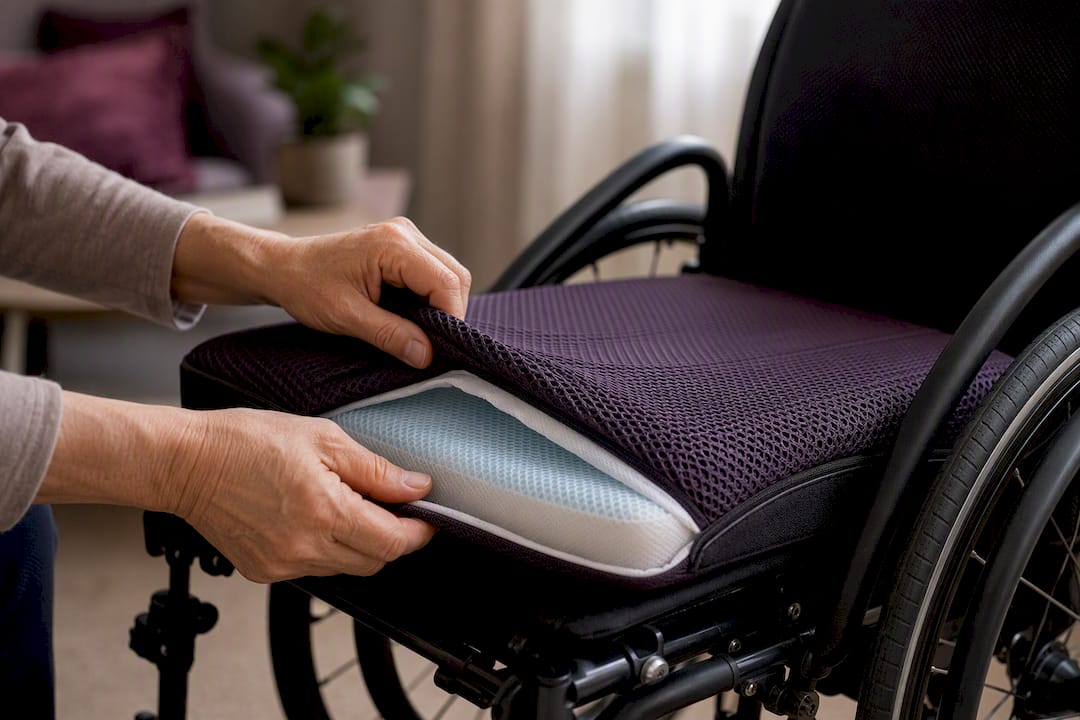
Pro Tip: If you’re not sure which risk applies to you, start with a rental trial rather than guessing. A week on an air cushion versus a week on a foam-gel hybrid tells you more than any spec sheet.
A practical checklist before committing to a cushion:
- Ask whether pressure relief, temperature, or moisture is the primary complaint.
- Check the base firmness and contouring against WHO’s wheelchair cushion specification, which sets categories by pressure risk and prescribes firm bases, contoured wells, and removable washable covers.
- Involve an occupational therapist for moderate to high pressure-injury risk. Guidelines consistently point to individualised prescription over a one-size-fits-all pick.
- Test transfers with the new cushion in place, not just sitting comfort.
- For air cushions, build a habit of checking inflation weekly. Cover care and drying matter for gel and foam alike.
Why backrests and posture supports matter as much as the cushion
A great cushion on a sagging sling backrest won’t fix pelvic tilt. Cushions and backrests function as a coupled system, and clinical research on seating components shows that changing one without reassessing the other can actually worsen posture and pressure risk.
What to check when fitting a back support:
- Does it hold the pelvis level, or does the user still slide forward after ten minutes?
- Can the user still transfer independently, or does the added rigidity get in the way?
- Does comfort hold up across a full day, not just the first five minutes in the showroom?
- If instability, new pain, or skin changes show up after a change, that’s a signal to involve a seating specialist rather than adding more padding.
Arm, leg, and positioning accessories worth a closer look
Armrest pads soften pressure points but add width, which matters in tight doorways. Ergonomic handrim covers reduce hand fatigue on manual chairs but take some adjustment to grip properly.
- Elevating leg rests help with swelling and foot control, though they lengthen the chair’s footprint and slow transfers.
- Heel loops keep feet from slipping backward, a small fix with an outsized effect on comfort.
- Positioning belts must be sized correctly and worn low across the pelvis, not the abdomen, to avoid restricting breathing or sliding.
Safety and everyday convenience accessories
Anti-tippers reduce backward tipping risk, particularly on ramps, but some users find they interfere with tight turns and need periodic adjustment.
- Wheel-lock extensions make braking easier for people with limited reach or grip strength.
- LED lights and flag mounts improve visibility in low light and around vehicles in parking areas.
- Weather canopies and glove attachments extend how comfortably a chair can be used outdoors through a Canadian winter.
- Heavy bags or trays mounted behind the rear wheels can shift the centre of gravity and raise tipping risk, so weight distribution deserves a second look before loading up.
How to choose, fit, and trial accessories safely
- Assess the actual problem first: pressure, posture, swelling, or convenience. Guessing leads to wasted money.
- Trial the accessory on your own chair, not a demo model, since fit varies by frame and seat angle.
- Test transfers and daily movements before committing, not just seated comfort.
- Check maintenance needs and warranty terms before buying anything long-term.
- Ask vendors or clinicians directly about red flags: new pain, skin redness, or a feeling of instability after a change.
Renting expensive items like cushions or rigid backrests before buying cuts financial risk substantially. Seventhchakra’s rental model includes same-day delivery and no deposit, which matters most when a comfort issue needs solving this week, not next month.
Pro Tip: Document how you feel after three days on a trial item, not just the first sitting. Pressure and posture problems often only show up after sustained use.
Keeping accessories clean, comfortable, and safe long term
Trapped moisture under a cushion cover is one of the fastest ways to compromise skin integrity, so covers need regular washing and full drying before reuse.
- Check air cushion inflation weekly. A soft or uneven cushion loses its pressure-relief benefit fast.
- Inspect gel cushion covers for cracks or leaks, since a compromised cover changes how the gel distributes weight.
- Replace foam cushions once they visibly compress and no longer spring back, since flattened foam stops redistributing pressure.
- Watch for skin marks or new pressure spots as a sign an accessory has reached the end of its useful life.
What we hear most from wheelchair users and caregivers
Cushions and back supports are the two items customers ask to trial most often, almost always because comfort needs shifted after an injury, surgery, or a long stretch of daily use. Same-day delivery and no-deposit rentals matter because comfort problems rarely wait for a convenient week. Every rental arrives fully sanitized, and our team stays available for questions as fit needs change.
— Chandan
Try before you buy: renting comfort accessories through Seventhchakra
Seventhchakra is the practical alternative to buying blind. Instead of spending on a cushion or backrest that might not fit your posture or pressure needs, you can rent it first, with same-day delivery and no deposit required across the Greater Vancouver area.
That matters most for high-cost items like air cushions and rigid back supports, where guessing wrong is expensive. Every piece of equipment is fully sanitized before it reaches your door, and our team helps match the rental to your actual needs rather than a generic spec sheet. If a cushion or backrest trial goes well, you can move to a purchase, like a standard wheelchair, with confidence instead of guesswork. Ready to test a cushion or back support this week? Start with a standard wheelchair rental and add the accessories you need once you know what actually works for you.
Sources
The cushion comparisons above draw on a systematic review of cushion microclimate and pressure effects, WHO’s cushion specification, and ISO/TS 16840-15:2024 on postural support devices.
This article is general information, not a substitute for advice from a qualified doctor. Consult a qualified healthcare professional about your own circumstances before acting on anything here.
- The effect of wheelchair cushion properties on the cushion–user microclimate and interface pressure (systematic review)
- WHO technical specification: wheelchair cushions (assistive product specification)
- Interaction of seating components and implications for pressure management and posture (clinical study)
FAQ
How can I make my wheelchair more comfortable?
Start with a cushion trial matched to your main issue, whether that’s pressure, heat, or moisture, then check that your backrest supports proper pelvic alignment rather than adding padding alone.
What are some good accessories for a wheelchair?
Positioning belts, armrest pads, elevating leg rests, anti-tippers, and weather canopies each solve a specific comfort or safety problem, though a supportive cushion and backrest deliver the largest daily benefit.
What is the most comfortable wheelchair cushion?
There isn’t one universal answer. Research comparing cushion types shows air cushions reduce pressure best, foam-gel hybrids manage heat best, and foam handles moisture best, so the right choice depends on your specific risk.
What is the most difficult thing for wheelchair users?
Beyond mobility itself, many users find sustained sitting comfort and pressure-injury prevention the hardest ongoing challenge, which is why cushion and backrest fit deserve more attention than most accessories combined.