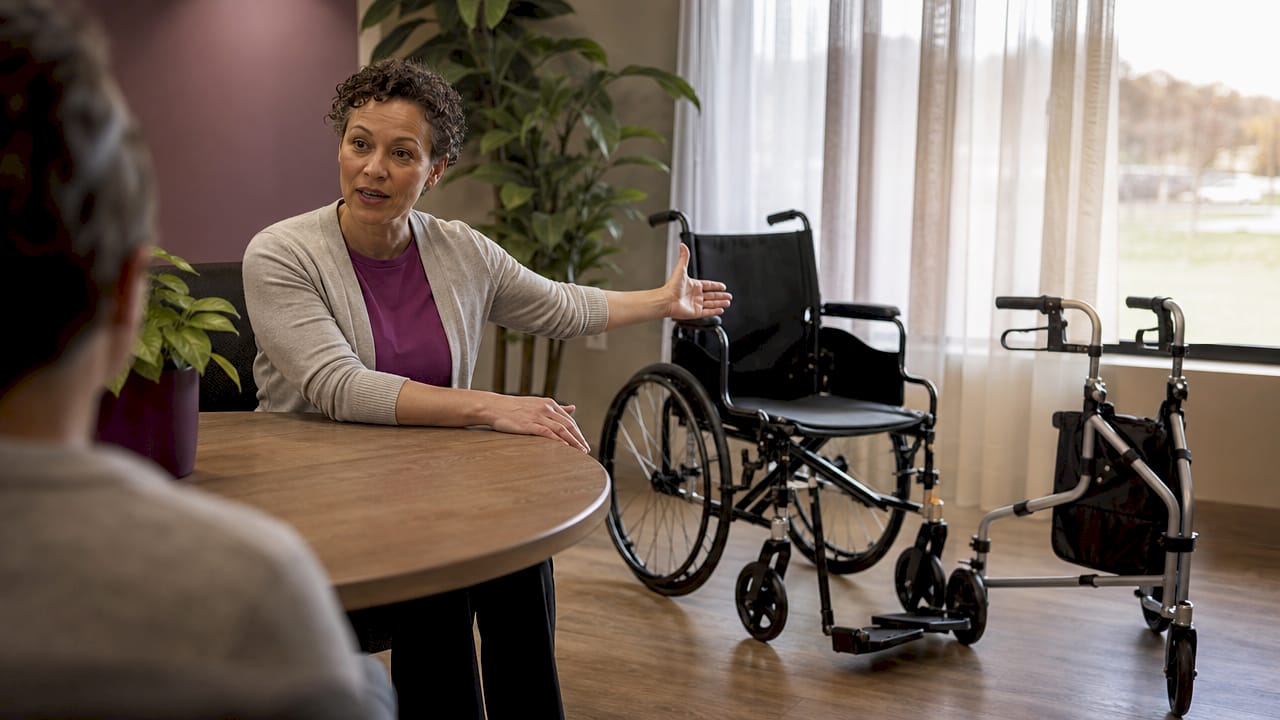
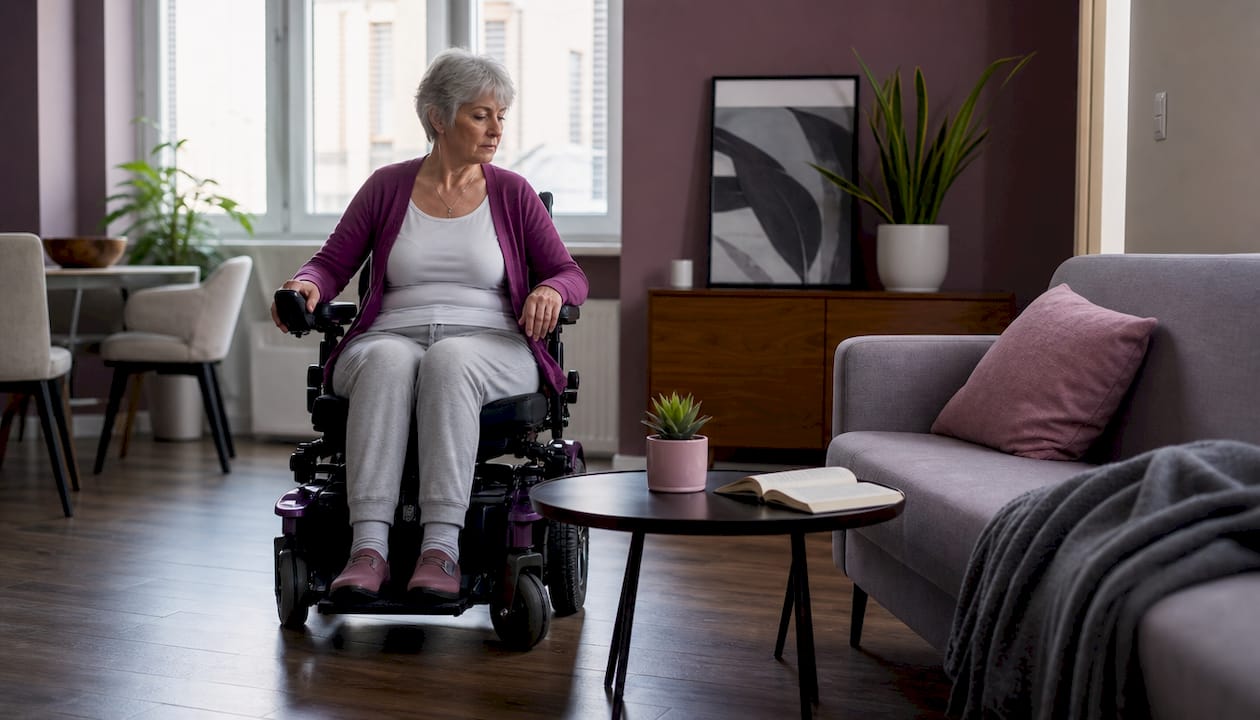
Visitor mobility equipment is defined as any mobility aid selected specifically for temporary use in an unfamiliar setting, rather than for daily life in a known home environment. This distinction is the core reason why visitor mobility equipment differs from resident equipment, and getting it wrong carries real consequences. A power wheelchair that handles tight hotel corridors is not the same device a resident uses across a wide, familiar living room. Caregivers and families planning short-term stays in Vancouver or surrounding areas need to understand these differences before booking any rental, because the wrong device creates fall risk, fatigue, and unnecessary stress.
Why visitor mobility equipment differs from resident equipment
The operating environment is the single biggest factor separating visitor and resident mobility needs. Residents use their devices in spaces they know well: familiar doorway widths, consistent floor surfaces, and predictable layouts. Visitors face the opposite. Hotel corridors, tourist attractions, and transit hubs present narrow passages, uneven surfaces, and unpredictable spatial constraints.
Mobility behaviour calibrated to one location cannot be transferred to another setting unchanged. That insight explains why a scooter that works perfectly at home can become a liability the moment a caregiver wheels it into a crowded airport terminal or a narrow restaurant entrance.
The differences in mobility equipment between visitor and resident contexts show up most clearly in device design. Power wheelchairs turn 360 degrees on their own axis, making them far more manageable in tight indoor spaces. Mobility scooters require a larger turning circle, which suits open outdoor paths but creates real problems in confined visitor environments.
How does environment and space affect equipment choice?
Physical space dictates device suitability more than any other single variable. A mobility scooter is designed for outdoor use on wide, flat surfaces. A power wheelchair is built for indoor maneuverability in exactly the kinds of spaces visitors encounter most.
Power chairs are preferred in urban or indoor settings for short-term users who face narrow doorways and corridors. Visitors frequently underestimate how much space a scooter actually needs to turn. A device that feels manageable outdoors becomes difficult to control the moment it meets a tight hotel lift or a crowded museum entrance.
The table below compares key device features against common visitor environments.
| Feature | Power wheelchair | Mobility scooter |
|---|---|---|
| Turning radius | 360 degrees on axis | Requires wider turning circle |
| Best environment | Indoor, urban, tight spaces | Outdoor, open, flat surfaces |
| Joystick control | Yes, suits limited hand strength | No, requires upper body strength |
| Portability | Varies; some fold | Many are heavy and bulky |
| Visitor suitability | High for indoor stays | Better for outdoor-focused trips |
Pro Tip: Before renting any device, walk through the accommodation yourself or ask the front desk to measure the narrowest doorway. A standard manual wheelchair requires at least 81 centimetres of clear width to pass through comfortably.
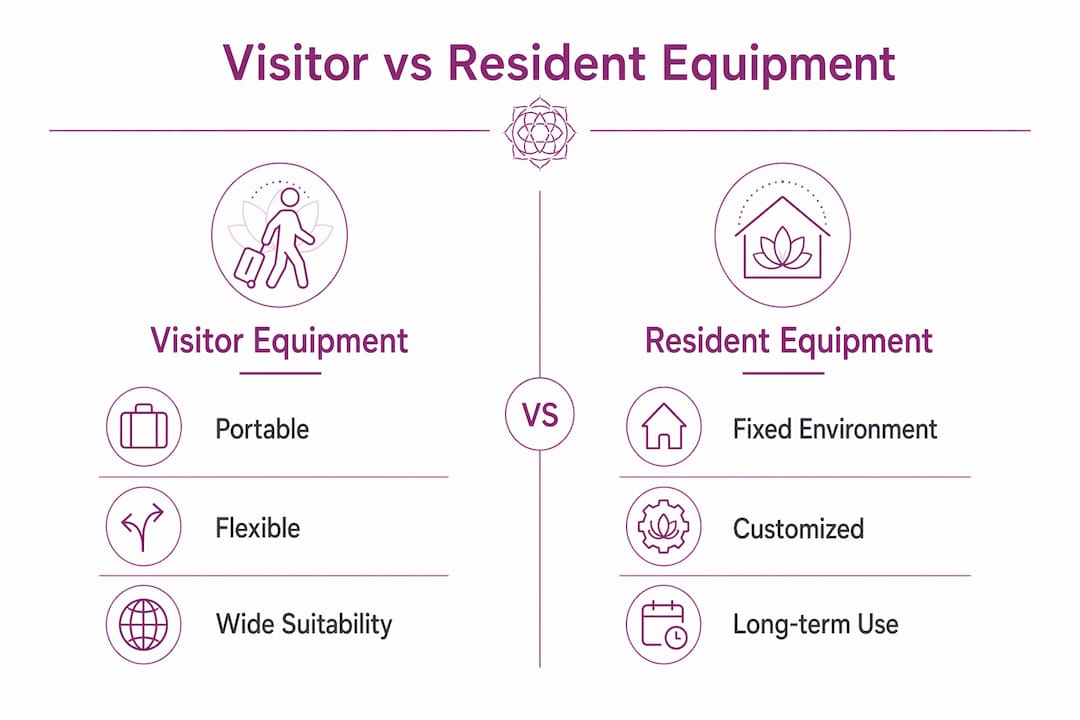
Residents build their device choice around a fixed environment they can modify over time, adding ramps or widening doorways. Visitors have no such control. The device must fit the environment as it is, not as it could be.
Why do clinical needs differ between visitors and residents?
Clinical suitability is the second major reason visitor mobility aid options diverge from resident choices. A person’s functional capacity at home does not predict their capacity during travel. Stress, fatigue, and unfamiliar surroundings all reduce endurance and strength.
Visitors should prioritise their lowest mobility capacity during travel, not their best days at home. Someone who walks short distances independently at home may genuinely need a wheelchair when navigating a busy cruise terminal or a large attraction. Choosing a device based on peak home performance rather than travel reality increases fall risk significantly.
Clinical guidance on device suitability is clear on several points:
- Rollators require adequate balance and reliable braking judgment. Rollators are not weight-bearing devices, meaning they offer no support for people who need to offload weight from a limb or joint.
- Wheelchairs suit people who need full weight-bearing support or who lack the endurance to walk even short distances in a busy environment.
- Power wheelchairs suit people with limited hand or arm strength, since joystick controls require far less dexterity than scooter steering.
- Mobility scooters require good upper body strength and balance to steer safely. Visitors who rely on scooters at home may find that travel fatigue reduces their ability to control the device safely.
- Guests relying on rollators during travel face increased risk if their balance and endurance fall below what the device demands.
The practical implication is straightforward. Caregivers should always select the device that matches the person’s lowest expected capacity during the trip, not their average capacity at home.
How does portability affect visitor mobility equipment choices?
Transport logistics create a third layer of difference between visitor and resident mobility needs. Residents do not transport their devices daily. Visitors do. A device that lives in a home garage is chosen for performance. A device that must fit in a taxi, a ferry, or a cruise ship cabin is chosen partly for size and weight.
Lightweight and foldable scooters facilitate transport via taxis or public transit, making them far more practical for visitor rentals than heavier full-size models. Many standard scooters are heavy and require a vehicle with a ramp or lift, which adds cost and planning complexity to every outing.
Practical steps for managing portability during a short-term stay:
- Confirm accommodation accessibility before arrival. Ask specifically about lift dimensions, doorway widths, and whether the building has step-free entry. Lack of wide, flat spaces and accessible transit options significantly increases visitor mobility stress and fall risk.
- Choose a foldable or lightweight device when transport is frequent. A foldable power wheelchair or a lightweight transport chair fits in most standard vehicles without specialist equipment.
- Verify transit options at the destination. Accessible taxis, HandyDART in Metro Vancouver, and accessible transit routes all have specific vehicle types and booking requirements.
- Book the rental device before travel, not on arrival. Last-minute rentals limit device selection and may result in an unsuitable substitute.
- Ask the rental provider about delivery and pickup. Seventhchakra offers same-day delivery across Vancouver, Richmond, and Surrey, which removes the need to transport the device independently at all.
Pro Tip: If the trip involves a cruise departure from Vancouver, Seventhchakra provides wheelchair rentals at Canada Place Cruise Terminal, which removes the need to transport a device from the accommodation to the pier.
How to plan a mobility equipment rental for a short-term visit
Effective planning for visitor mobility assistance starts well before the trip. The goal is to match the device to both the person and the environment, not just to the diagnosis or the home routine.
Integrated rental and transport solutions reduce risk and logistical challenges during short stays. Rental providers who understand local accessibility conditions add genuine value beyond simply supplying a device.
Key steps for caregivers coordinating a visitor rental:
- Assess the person’s travel-day capacity, not their home-day capacity. Factor in flight fatigue, time zone changes, and the physical demands of airports and transit hubs.
- Map the itinerary for accessibility gaps. Identify every venue, attraction, and transit point on the trip and confirm accessibility features for each one.
- Contact the rental provider with specific questions. Ask about device dimensions, weight, battery range, and whether the device fits standard vehicle boots or lift-equipped vehicles.
- Confirm the rental period matches the stay. Seventhchakra offers flexible rental terms with no upfront deposit, which suits the unpredictable timelines of visitor stays.
- Plan for contingencies. If the person’s condition changes during the trip, confirm whether the rental provider can swap the device quickly. Same-day delivery capability is a meaningful differentiator here.
For visitors planning to explore Vancouver’s major attractions, Seventhchakra provides mobility scooter rentals at Stanley Park and wheelchair rentals at Granville Island, both of which are matched to the specific accessibility conditions of each site.
Key takeaways
Visitor mobility equipment must match the travel environment and the person’s lowest expected capacity, not their home routine or peak performance.
| Point | Details |
|---|---|
| Environment drives device choice | Power wheelchairs suit tight indoor spaces; scooters suit open outdoor routes. |
| Plan for lowest capacity | Select devices based on travel-day endurance, not home-day performance. |
| Portability matters for visitors | Foldable or lightweight devices reduce transport complexity during short stays. |
| Confirm accessibility in advance | Check doorway widths, lift dimensions, and transit options before arrival. |
| Rental flexibility reduces risk | Providers offering same-day delivery and no-deposit terms suit visitor timelines. |
What I’ve learned from watching visitors choose the wrong device
Chandan here. The most common mistake I see caregivers make is renting the same device the person uses at home, assuming familiarity equals safety. It rarely does in a new environment.
A resident’s scooter is calibrated to their home. It fits through their doorways, handles their floors, and suits their daily energy levels. A visitor’s environment offers none of those guarantees. I’ve seen people arrive at a hotel with a full-size scooter that physically could not fit through the bathroom door. The device was perfectly appropriate at home. It was completely wrong for the trip.
The second mistake is choosing a device based on the person’s best days rather than their worst. Travel is physically demanding. Airports, unfamiliar streets, and busy attractions drain energy faster than a familiar home routine. A person who walks confidently at home may genuinely need a wheelchair by the second day of a trip. Choosing conservatively is not an admission of decline. It is good planning.
The third thing I’d stress is this: the rental provider’s local knowledge matters as much as the device itself. Knowing which Vancouver attractions have step-free access, which transit routes accommodate power wheelchairs, and which hotels have genuinely accessible rooms is not information you can easily find online. It comes from experience. That local expertise is exactly what makes a rental service worth using.
— Chandan
Seventhchakra mobility rentals for visitors in Vancouver
Visitors to Vancouver and the surrounding region have specific mobility needs that standard rental services often miss. Seventhchakra specialises in short-term medical equipment rental in Richmond BC and across Metro Vancouver, with same-day delivery, no upfront deposit, and devices sanitised before every rental.
Every rental includes a consultation to match the device to the person’s clinical needs and the specific environment of their stay. Seventhchakra’s team understands local accessibility conditions across Vancouver, Surrey, and Richmond, which means caregivers get practical guidance alongside the equipment. Whether the stay is three days or three weeks, the rental terms flex to fit. Contact Seventhchakra directly to confirm availability and arrange delivery before the trip begins.
FAQ
Why does visitor mobility equipment differ from what residents use?
Visitor equipment must suit variable, unfamiliar environments rather than a consistent home setting. Residents choose devices for known spaces; visitors need devices that handle tight corridors, transit, and unpredictable layouts.
Is a mobility scooter or a power wheelchair better for visitors?
Power wheelchairs are generally better for visitors in urban or indoor settings because they turn on their own axis and suit narrow spaces. Mobility scooters require more turning room and work best on open, outdoor surfaces.
Should visitors rent a device or bring one from home?
Renting locally is usually the better choice. Local rental providers understand the accessibility conditions at the destination and can match the device to the specific environment, which reduces risk and eliminates transport challenges.
What should caregivers check before renting visitor mobility equipment?
Caregivers should confirm doorway widths, lift dimensions, and step-free access at the accommodation, then assess the person’s expected travel-day capacity rather than their home-day performance.
Can visitors rent mobility equipment for just a few days in Vancouver?
Yes. Seventhchakra offers flexible short-term rentals across Vancouver, Richmond, and Surrey with no upfront deposit and same-day delivery, making brief visitor stays straightforward to accommodate.