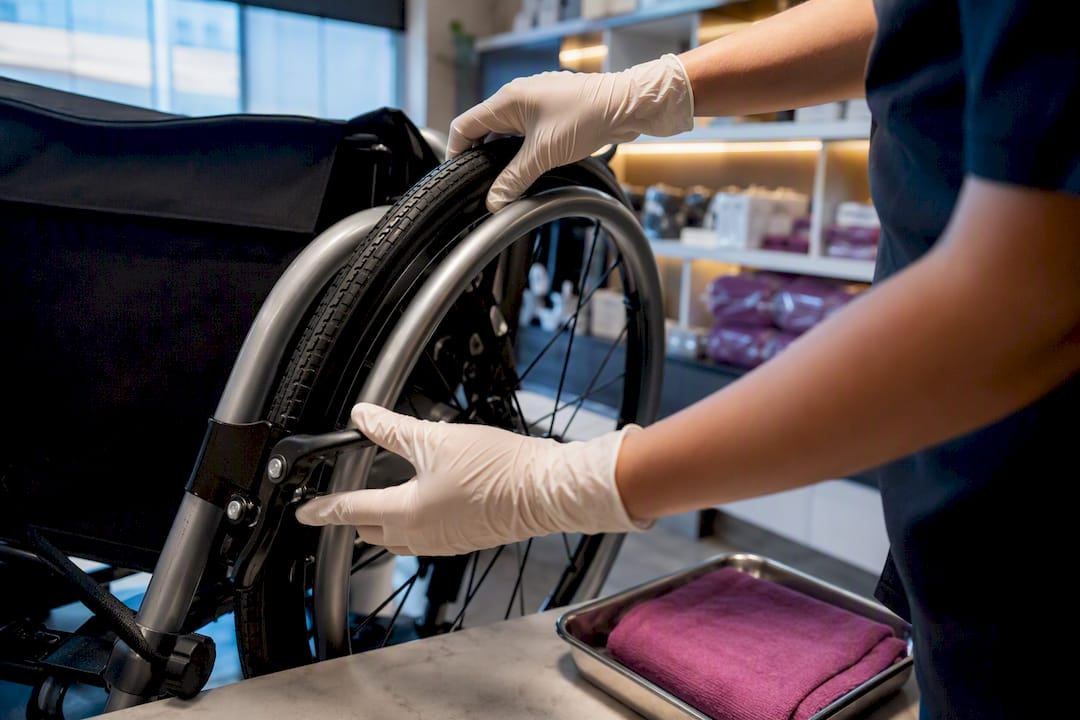
Same Day Bariatric Wheelchair Delivery and Fit Checks in Surrey
Start by confirming the user’s exact weight and the minimum chair capacity that safely exceeds it, then match seat width to the body. If you need equipment this week, rent a bariatric model from a Surrey supplier that stocks it and delivers same day; if the need is permanent, buy once you’ve confirmed fit. Call a local provider for a no-deposit rental or a fitting consultation before you commit either way.
TL;DR:
- For a 300-pound user, choose a bariatric wheelchair rated above 113.4 kg (250 lbs) to ensure safety and warranty coverage.
- Manual chairs are affordable but become harder to self-propel as seat width increases, while powered chairs offer better independence for heavier users.
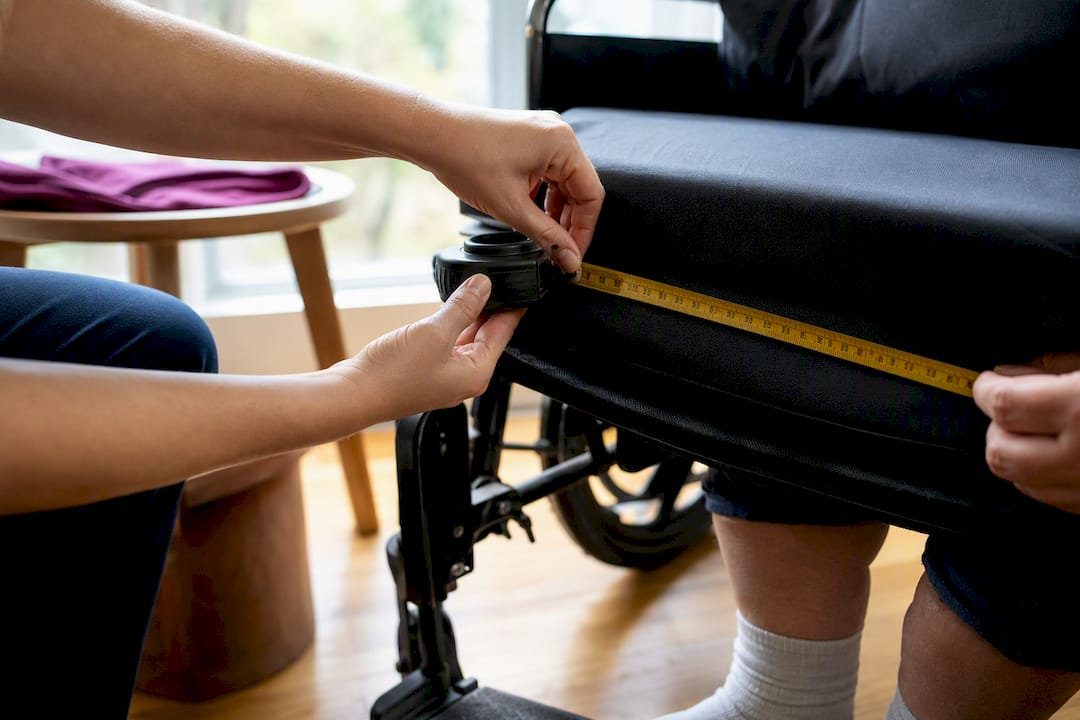
- Proper fit requires measuring seat width, depth, height, overall width, and armrest placement, with emphasis on navigating your home’s tight spaces.
- Short-term rentals with same-day delivery and sanitization are ideal for hospital discharges or temporary needs, whereas long-term users should consider purchasing.
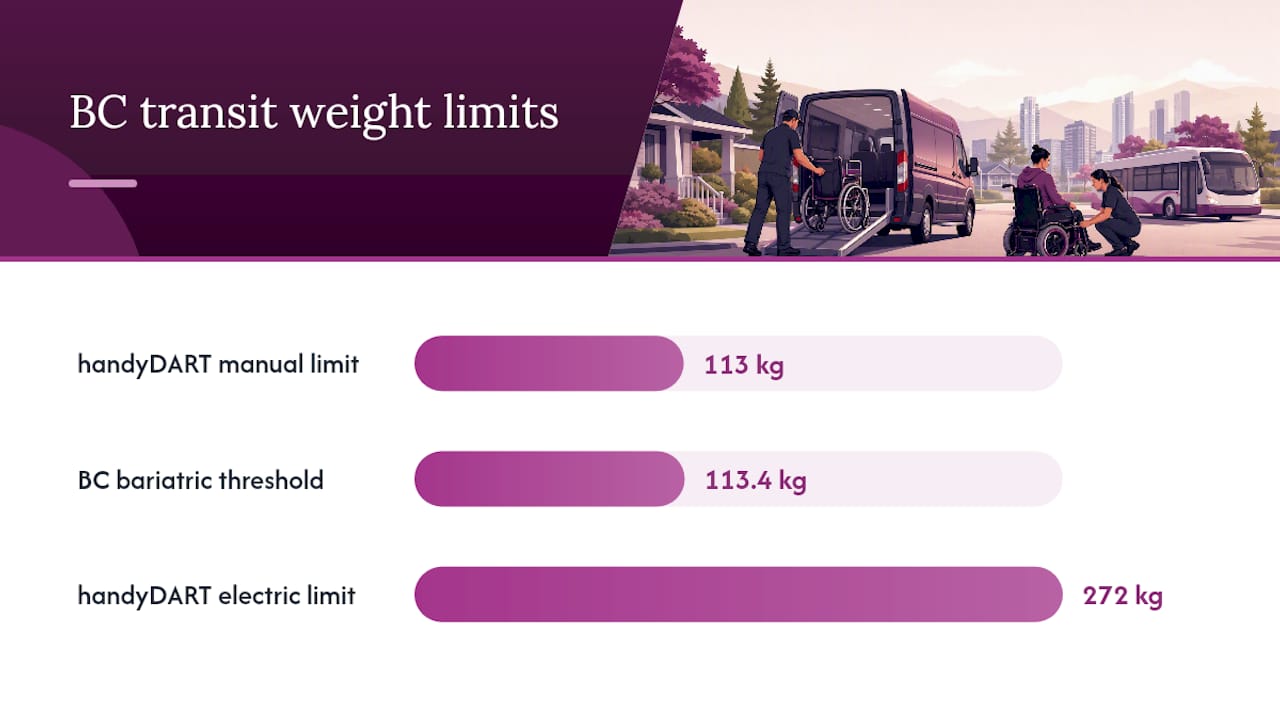
- Confirm the chair can accommodate transit limits, with threshold policies setting weight capacities at 113 kg (250 lbs) for manual and 272 kg (600 lbs) for electric aids.
Table of Contents
- Types of bariatric wheelchairs and which one fits
- How do you measure for a proper fit?
- Rental vs purchase: what actually makes sense in Surrey
- A phone-ready checklist for choosing a supplier
- Why BC transit limits and policy definitions matter here
- How Seventhchakra supports Surrey families
- Getting a bariatric wheelchair delivered in Surrey today
- Sources
- FAQ
Types of bariatric wheelchairs and which one fits
Bariatric wheelchairs come in several categories, with the right choice depending on the user’s independence level and travel needs.
Manual bariatric wheelchairs use reinforced frames and wider seats, designed for higher weight capacities than standard chairs. They’re the most affordable option and fold reasonably well, but self-propulsion gets harder as seat width increases, since wider wheels sit farther from the user’s reach.
Transport bariatric wheelchairs skip the large rear wheels entirely. A caregiver pushes from behind. They’re lighter, cheaper, and easier to fit through a Surrey townhouse hallway, but they’re not meant for independent use.
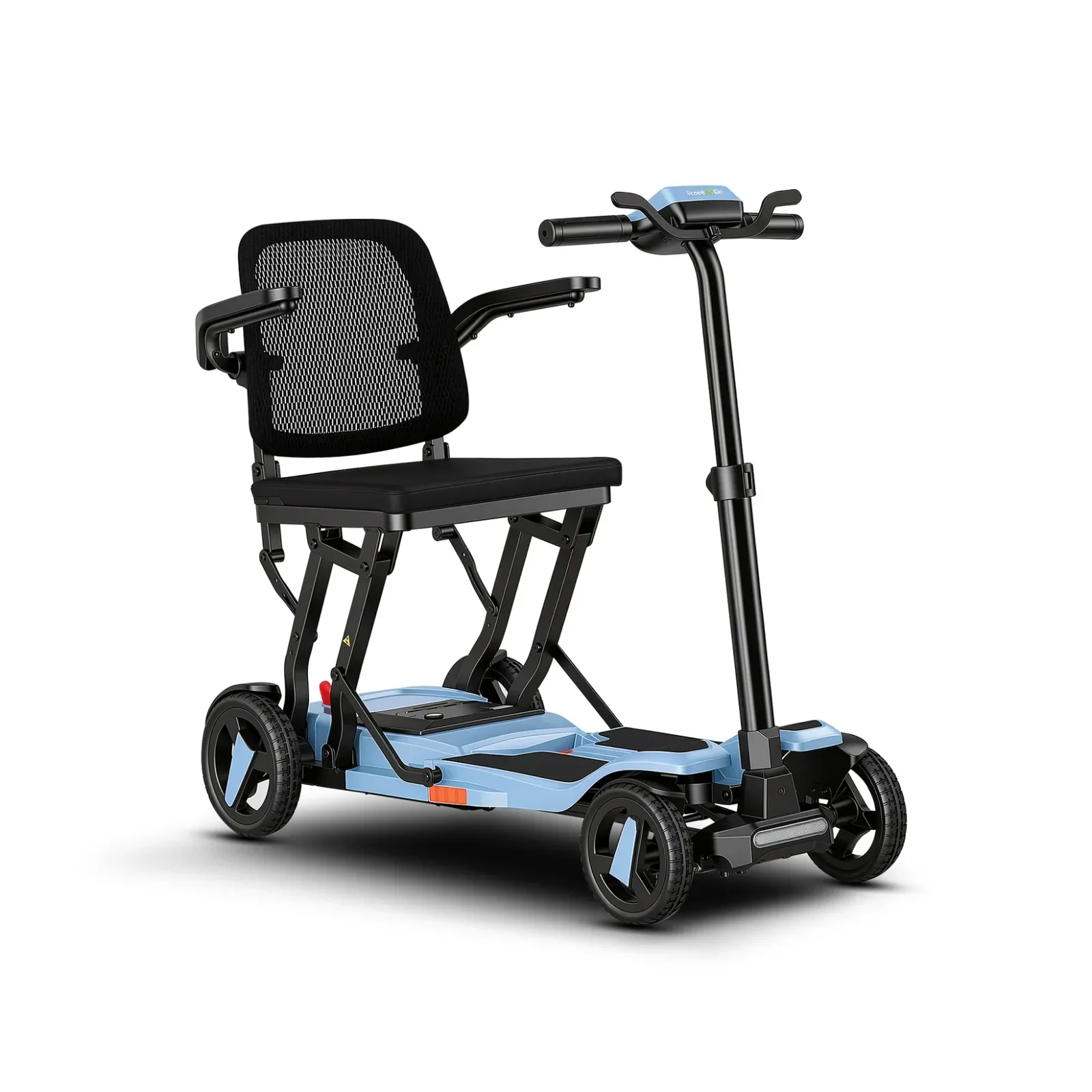
Powered bariatric wheelchairs solve the effort problem outright. For heavier users, independent propulsion in a manual chair is often impractical once seat width and chair weight climb, so a joystick-controlled base restores real independence at home and in the community.
Tilt-in-space bariatric wheelchairs redistribute pressure by tilting the entire seat, not just reclining the backrest. They matter most for users who spend long hours seated and face skin-breakdown risk.
Quick reference for Surrey households:
- Tight hallways or older homes: transport or manual chairs, checked against doorway width first.
- Users who tire easily but live independently: powered bariatric chairs.
- Long sitting hours or limited repositioning ability: tilt-in-space models.
- Frequent travel or visits from out of town: transport chairs for easy handling.
How do you measure for a proper fit?
Getting the dimensions wrong is the single most common reason a bariatric chair gets returned or replaced within weeks. Measure these five things before you call anyone:
- Seat width — hip width at the widest point, plus 2 inches of clearance on each side.
- Seat depth — from the back of the buttocks to the back of the knee, minus roughly 2 inches to avoid pressure behind the knee.
- Seat-to-floor height — measured with shoes on, accounting for cushion thickness.
- Overall chair width — the finished, assembled width, not just the seat width, since frames and armrests add several inches.
- Armrest height and spacing — elbow height when seated, arms relaxed at the sides.
Then test your home. Measure the narrowest doorway, the bathroom entry, and any hallway turn the chair will need to navigate. A chair that’s 2 inches too wide at the frame is a chair that doesn’t make it to the bathroom.
Body shape changes the math too. Someone carrying more weight through the midsection often needs a deeper seat pan than the same height and weight would suggest for a narrower-hipped user, and seat width, depth, and finished chair width all have to be balanced against each other rather than chosen in isolation. Get the depth wrong and you risk pressure injuries at the back of the knee or inadequate support under the thighs.
Pro Tip: Write your five measurements on your phone before you call a supplier. A good rental provider will ask for them immediately, and being ready turns a 20 minute conversation into a 5 minute one.
Rental vs purchase: what actually makes sense in Surrey
The decision usually comes down to one question: is this need temporary or permanent? A hospital discharge, a visiting relative, or a recovery period after surgery points toward renting. A long-term mobility change points toward buying.
Rental pricing in Surrey typically runs as a daily or weekly rate, with the total cost dropping the longer the rental term extends. Purchase prices for bariatric wheelchairs vary widely by weight capacity and features, from a few hundred dollars for a basic reinforced manual chair to several thousand for a powered bariatric base with tilt-in-space seating. A short rental is also a practical way to trial a seat width or cushion before spending on a purchase you can’t easily return.
A few operational details matter more than people expect:
- Same-day delivery matters most right after a hospital discharge, when there’s no time to wait days for equipment.
- No-deposit rental terms keep cash free for other recovery costs.
- Sanitization before delivery isn’t optional for shared medical equipment. Ask what protocol a supplier follows.
- Maintenance on powered chairs (battery checks, seating function servicing) should be part of any rental agreement, not an extra call later.
Before signing anything, check what your extended health plan, ICBC claim, Veterans Affairs Canada benefits, or provincial program might cover. Coverage rules differ by policy, so confirm directly with your plan rather than assuming. For the mechanics of booking, a wheelchair rental in Vancouver works the same way whether you’re in Surrey, Burnaby, or Richmond.
A phone-ready checklist for choosing a supplier
Call with these five questions answered or ready to ask, in this order:
- What’s the maximum user weight this specific chair is rated for? Confirm against the manufacturer spec sheet, not a verbal estimate. Equipment rated below the user’s actual weight is a safety risk and can void the warranty outright.
- Does the finished chair width clear my doorways? Give the supplier your narrowest measurement and ask them to match a model to it.
- Can I trial or short-term rent before buying? A supplier confident in their equipment will offer this without pushback.
- What’s the delivery window, and is sanitization included? Same-day availability and a documented cleaning process should both be a yes.
- Will this chair meet handyDART limits if I need transit access? This matters more than most people realize until they try to book a ride.
For anyone with a complex transfer, unusual body shape, or skin integrity concerns, ask whether the supplier can connect you with occupational therapy or physiotherapy input before finalizing the chair. It’s a five-minute question that prevents a costly mismatch. If transfers or lifting are part of your caregiving routine, a manual handling resource is worth reviewing alongside the equipment decision.
Why BC transit limits and policy definitions matter here
Weight thresholds aren’t arbitrary numbers. They determine what you’re legally allowed to bring on transit and how your equipment gets classified for funding purposes.
handyDART sets a combined weight limit of 113 kg (250 lbs) for a manual wheelchair plus its user, and 272 kg (600 lbs) for electric mobility aids plus user. Cross that line and the vehicle can’t safely accommodate the trip.
That 113 kg figure isn’t coincidental. BC wheelchair policy defines “bariatric” as a chair with weight capacity greater than 113.4 kg (250 lbs), which reclassifies it as specialized equipment with its own funding and fitting rules. Cross that threshold and you’re often looking at a different approval process, not just a bigger chair.
Fraser Health’s own guidance reflects the same priority: measuring weight, width, and girth accurately, and involving occupational therapy or physiotherapy before selecting bariatric equipment, rather than guessing at fit after the fact.
How Seventhchakra supports Surrey families
Some local providers stock bariatric and extra-wide wheelchairs with same-day delivery, no-deposit rental terms, and full sanitization before every drop-off. We see two patterns most often: a visiting family member who needs a chair for a week, and a hospital discharge where there’s no time to wait days for equipment to arrive.
— Chandan
Getting a bariatric wheelchair delivered in Surrey today
Have three things ready before you call: the user’s weight, your five key measurements, and how long you’ll need the chair. That’s it. That’s what turns a phone call into same-day delivery instead of a multi-day back-and-forth.
Booking is simple: call or book online, confirm the chair matches your weight and width requirements, and a local provider delivers it sanitized with no deposit required, often the same day you call. If independence is the priority and manual propulsion isn’t realistic, the electric wheelchair rental page covers powered options built for exactly that. For a standard bariatric rental, the wheelchair rental Vancouver booking page has current availability and terms. Buying outright is also an option through the standard wheelchair product page if a long-term need is already clear. Whichever route fits, the next step is the same: get your measurements together and call.
Sources
For readers who want to verify the policy and transit details covered here: the handyDART mobility guide from BC Transit sets out combined weight limits, the BC wheelchair policy interpretation guide explains bariatric classification and funding, and Fraser Health’s bariatric care decision support tool covers clinical measurement and OT involvement. Local Surrey suppliers, including Seventhchakra, are worth contacting directly for current stock and pricing.
- Wheelchair policy interpretation guide — BC Care
- Mobility needs of bariatric people — Sunrise Medical
FAQ
What kind of wheelchair is best for bariatric patients?
It depends on independence level: powered bariatric chairs suit users who need to self-propel but find manual effort impractical, while reinforced manual or transport chairs work for caregiver-assisted mobility. Tilt-in-space models matter most for users at risk of pressure injuries from long sitting hours.
Where can I get a bariatric wheelchair in Surrey?
Local medical equipment suppliers stock bariatric wheelchairs for both rental and purchase, often with same-day delivery available. Confirm weight capacity and finished chair width against your own measurements before booking.
What is the best bariatric wheelchair?
There’s no single best model. The right choice matches the user’s actual weight with margin above the rated capacity, fits through home doorways, and matches independence level, whether that means manual, transport, powered, or tilt-in-space.
What is the best wheelchair for a 300-pound person?
A bariatric-rated chair with a capacity comfortably above 113.4 kg (250 lbs), since equipment rated too close to or below actual user weight creates safety risk and can void the warranty. At that weight, most users fall into BC’s bariatric classification threshold, so expect a wider seat and a reinforced frame as standard, not optional.