Renting patient comfort equipment is defined as accessing medical devices on a short-term or flexible basis to support recovery at home without the cost of purchase. For families managing home care, these rentals cover everything from adjustable hospital beds to mobility scooters, pressure-relief mattresses, and patient lifts. Canadian programmes like the Ontario Assistive Devices Program and Veterans Affairs Canada help offset costs, making quality equipment more accessible. The right rental matches the patient’s specific medical needs, fits the home environment, and offers flexible terms that adapt as recovery progresses.
1. Top patient comfort equipment rental options and their key features
The most useful patient comfort equipment rental options fall into five core categories, each addressing a distinct aspect of home recovery.
Hospital beds

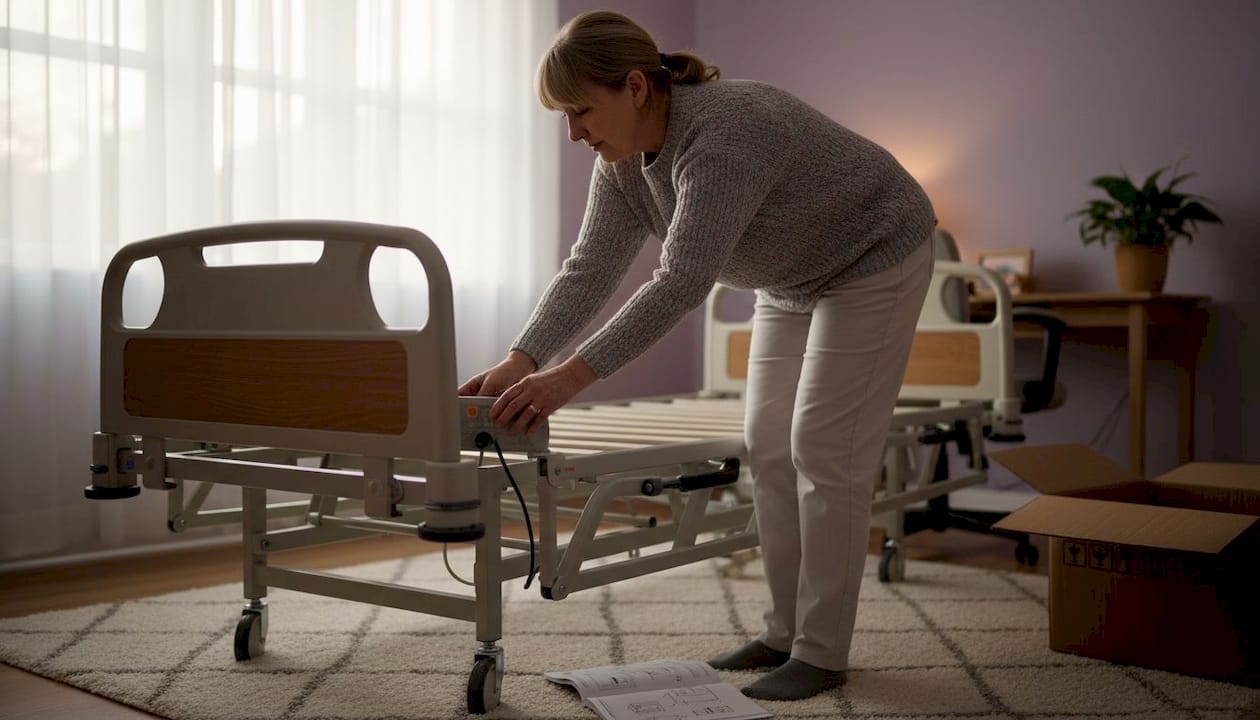
Adjustable hospital beds are the cornerstone of home care comfort. They allow caregivers to raise or lower the sleeping surface, adjust head and foot angles, and add safety rails to prevent falls. Pressure-relief mattresses and breathable fabrics improve comfort and prevent pressure sores during extended bed rest. Adjustable positioning also reduces caregiver strain during daily routines.
Wheelchairs and mobility aids
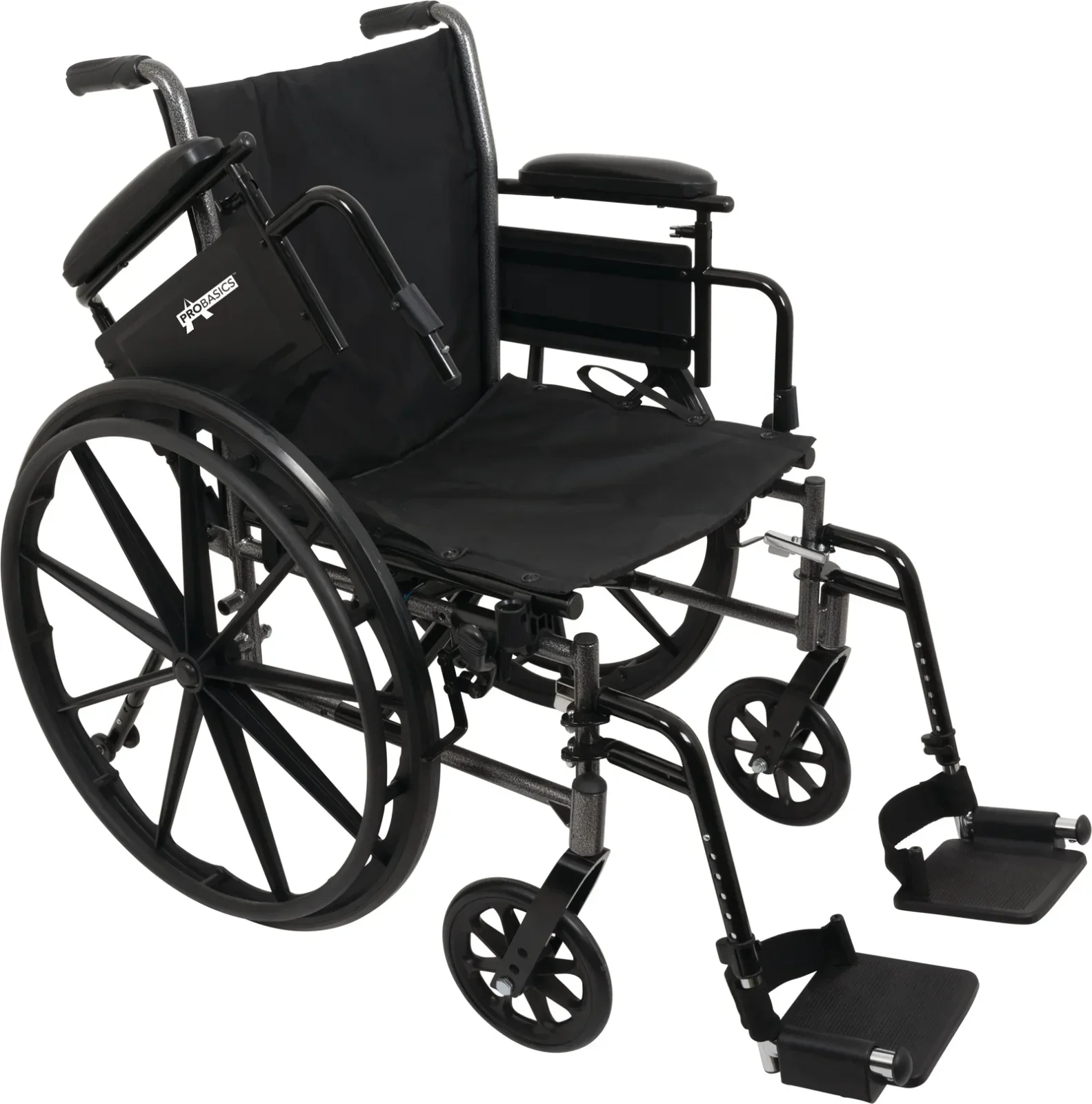
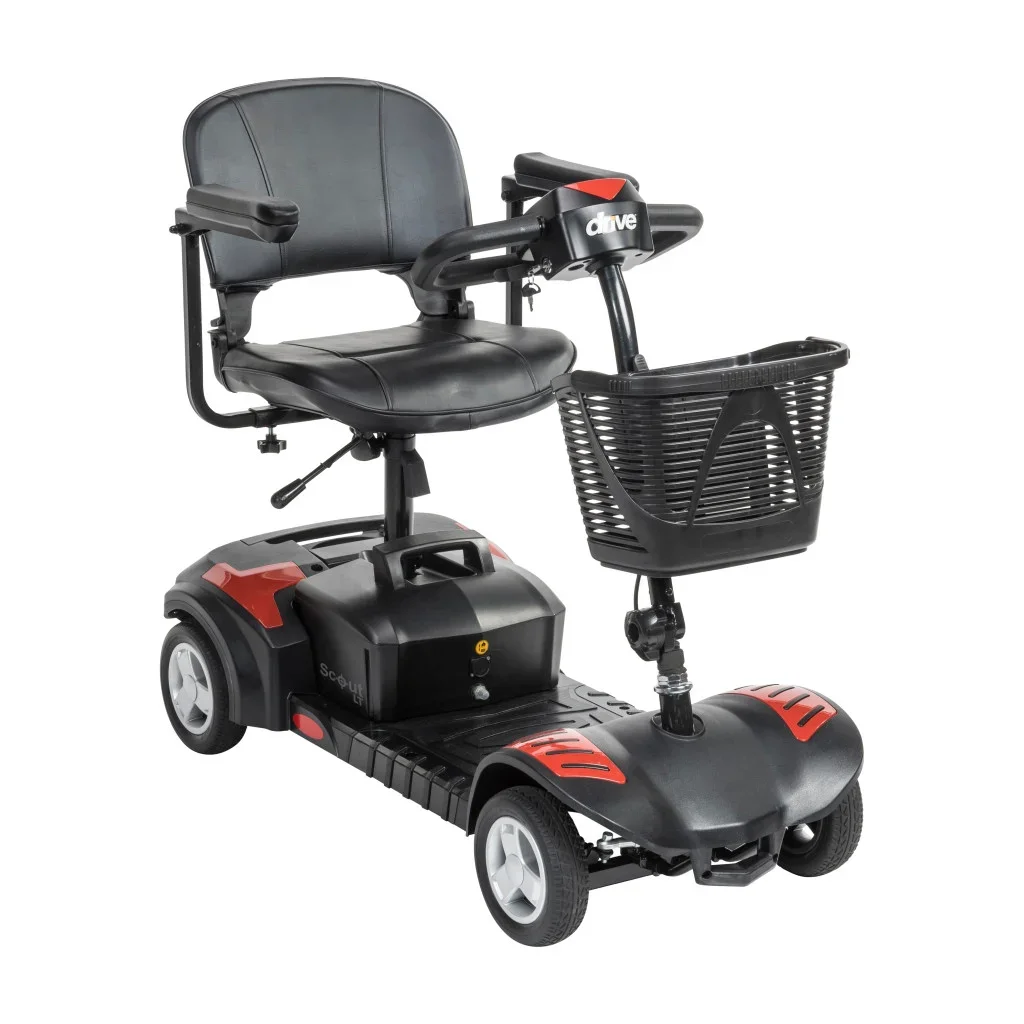
Manual wheelchairs suit patients with upper body strength or an active caregiver. Electric wheelchairs and mobility scooters give patients greater independence when walking is not possible. Commode wheelchairs combine mobility and bathroom access in one unit, reducing transfer risks.
Pro Tip: Ask your rental provider whether the wheelchair frame folds flat. A folding frame fits through standard doorways and stores easily in a vehicle.
Patient lifts and transfer devices
Patient lifts move individuals safely between a bed, chair, or bath without manual lifting. They reduce the single highest injury risk in home care: transfers. Bath transfer benches are a lower-cost alternative for patients who can bear some weight.
Support cushions and pressure-relief mattresses
Gel and foam cushions redistribute body weight and reduce pressure points during long periods of sitting or lying down. These are among the most affordable patient comfort aids and are often overlooked until a sore develops.
Overbed tables and positioning aids
Overbed tables give patients a stable surface for meals, reading, or using a device without leaving bed. Positioning wedges and bolsters keep limbs elevated and reduce swelling after surgery.
2. What to consider when renting patient comfort equipment for short-term home use
Choosing the right rental requires more than picking a product from a catalogue. The equipment must fit the patient, the home, and the caregiver’s ability to operate it safely.
Match equipment to specific medical needs
Equipment selection should be based on the patient’s distinct limitations, not general assumptions. A doctor or occupational therapist can identify which daily activities need support and recommend the right device category. Renting the wrong equipment wastes money and often goes unused.
Measure your home before booking
Measure all access points including hallways, doorways, and turning areas before renting a hospital bed or power wheelchair. A doorway that looks wide enough for a room may be too narrow for a loaded wheelchair to navigate safely. Check the path from the front door to the intended room, not just the room itself.
Prioritise safety features
Locking wheels, sturdy frames, and side rails are non-negotiable features for any mobility aid or hospital bed rental. Accidents happen most often during transfers, so these features directly reduce injury risk. Never accept a rental unit with worn locks or bent rails.
Practice controls before the patient arrives
Testing equipment controls and practising bed adjustments before the patient comes home reduces caregiver stress and improves safety during real emergencies. Spend at least 15 minutes operating every function, including emergency lowering mechanisms.
Plan for flexible rental durations
Flexible rental terms help families adapt to unpredictable recovery timelines without financial penalty. Ask whether the rental agreement allows week-to-week extensions or early returns without fees. Recovery rarely follows a fixed schedule.
Pro Tip: Book an in-home assessment with an occupational therapist before finalising any rental. An OT can identify hidden risks like narrow hallways or slippery flooring that a phone consultation will miss.
3. How financial assistance and programmes support equipment rentals in Canada
Cost is the most common reason families delay renting necessary equipment. Several Canadian programmes reduce or eliminate that barrier.
The Ontario Assistive Devices Program covers roughly 75% of costs for eligible mobility aids and medical devices. That means a family renting or purchasing a qualifying wheelchair or hospital bed pays only a fraction of the listed price. Eligibility depends on a confirmed medical need and Ontario residency.
Veterans Affairs Canada provides partial or full funding for eligible veterans requiring medical equipment at home. March of Dimes Canada operates equipment loan programmes for Canadians who do not qualify for government funding. These nonprofit options are underused and worth a direct call to your local chapter.
The federal Medical Expense Tax Credit allows Canadians to claim eligible medical equipment costs on their annual tax return. Extended health benefits through workplace insurance plans often cover a portion of rental fees as well. Check your plan documents for the “durable medical equipment” or “home care equipment” category.
| Programme | Who it covers | Typical support level |
|---|---|---|
| Ontario Assistive Devices Program | Ontario residents with confirmed medical need | Up to 75% of eligible device costs |
| Veterans Affairs Canada | Eligible Canadian veterans | Partial to full funding |
| March of Dimes Canada | Canadians needing equipment loans | Equipment loan at no cost |
| Federal Medical Expense Tax Credit | All Canadian taxpayers | Tax deduction on eligible expenses |
| Extended health benefits | Employees with workplace insurance | Varies by plan; check “durable equipment” |
4. How to choose the right rental supplier and what services to expect
The rental supplier matters as much as the equipment itself. A provider who delivers quickly, sets up correctly, and answers calls reliably makes home care far less stressful.
Transparent terms and flexible durations
Renting is the right choice for short-term recovery, uncertain timelines, or when you need to test whether a device meets the patient’s needs. A good supplier offers week-to-week or month-to-month terms without requiring long contracts. Confirm in writing what happens if you need to extend or return early.
Delivery, setup, and sanitisation
Rental agreements from reliable providers include delivery, setup, maintenance, and technical support as part of the service. Seventhchakra sanitises all equipment before delivery and offers same-day service across Vancouver, Richmond, and Surrey. No upfront deposit is required, which removes a common financial barrier for families acting quickly.
Maintenance and breakdown support
Ask every potential supplier what happens if the equipment malfunctions at 9:00 PM on a Saturday. A provider without after-hours support leaves caregivers in a difficult position. Confirm the response time and whether a replacement unit is available while repairs are made.
Caregiver training and operational guidance
A quality supplier walks caregivers through every function of the rented device before leaving. This includes adjusting bed height, locking and unlocking wheels, and operating any electronic controls. Skipping this step is one of the most common mistakes families make.
Pro Tip: Ask for the supplier’s service policy in writing before signing any agreement. Verbal promises about maintenance and support are difficult to enforce if a problem arises.
For caregivers in the Vancouver area, the home medical equipment guide from Seventhchakra covers local supplier options and what to expect from each service tier.
Key takeaways
The most effective patient comfort equipment rentals match the patient’s specific medical needs, fit the home environment, and come from a supplier who includes delivery, setup, and ongoing support.
| Point | Details |
|---|---|
| Match equipment to medical needs | Consult a doctor or occupational therapist before selecting any rental device. |
| Measure your home first | Check doorways, hallways, and turning areas before booking large equipment. |
| Prioritise safety features | Locking wheels, sturdy frames, and side rails reduce injury risk during transfers. |
| Use Canadian funding programmes | Ontario ADP, Veterans Affairs Canada, and the Medical Expense Tax Credit all reduce costs. |
| Choose a supplier with full service | Confirm delivery, setup, sanitisation, and after-hours support before signing. |
What I’ve learned from watching families navigate equipment rentals
The biggest mistake I see families make is renting equipment based on what looks right rather than what a healthcare professional has recommended. A wide, padded wheelchair looks comfortable. But if the patient needs a specific seat depth or lateral support, that chair will cause more problems than it solves. The equipment has to fit the person, not the other way around.
The second mistake is underestimating how much the home environment matters. I have seen families rent a full-size hospital bed only to discover it cannot navigate the hallway corner to reach the bedroom. That is a stressful and expensive situation that an occupational therapist visit would have prevented entirely. Measuring takes 20 minutes. A wrong rental takes days to resolve.
Recovery timelines are almost always longer than families expect. A patient who is supposed to be back on their feet in three weeks often needs six. Flexible rental terms are not a luxury. They are a practical necessity for anyone managing home care honestly. Lock yourself into a rigid contract and you will either pay for equipment you no longer need or scramble to extend at the last minute.
The last thing I want caregivers to know is this: practise the equipment before the patient comes home. Adjust the bed, lock the wheels, operate the lift. Do it until it feels automatic. When something goes wrong at 2:00 AM, you will not have time to read a manual.
— Chandan
Seventhchakra’s rental service for patient comfort at home
Families in the Vancouver area who need reliable, fast access to patient comfort equipment will find Seventhchakra’s rental catalogue covers the most common home care needs. Hospital beds, wheelchairs, mobility scooters, overbed tables, and bath transfer benches are all available with same-day delivery and no upfront deposit required.
Every unit is sanitised before it arrives at your door. Setup and basic caregiver guidance are included. For families in Richmond and the surrounding region, medical equipment rental in Richmond BC offers flexible short-term and long-term terms with transparent pricing. Whether you need a wheelchair rental in Vancouver for a few weeks or a full home care setup, Seventhchakra provides the local support and responsive service that home recovery demands.
FAQ
What types of equipment count as patient comfort aids?
Patient comfort aids include adjustable hospital beds, wheelchairs, mobility scooters, pressure-relief mattresses, overbed tables, patient lifts, and positioning cushions. These devices reduce pain, prevent injury, and support daily activities during home recovery.
Is renting better than buying for short-term home care?
Renting is preferable for short-term recovery or when the duration of need is uncertain, since it avoids large upfront costs and allows equipment changes as needs evolve. Buying makes more sense for long-term or permanent requirements, especially when financial assistance is available.
What Canadian programmes help cover equipment rental costs?
The Ontario Assistive Devices Program covers up to 75% of eligible device costs for qualifying residents. Veterans Affairs Canada, March of Dimes Canada, and the federal Medical Expense Tax Credit provide additional support depending on eligibility.
How do I know if rented equipment will fit in my home?
Measure doorways, hallways, and turning areas before booking any large equipment. An occupational therapist can conduct an in-home assessment to identify access challenges that are easy to miss during a quick walkthrough.
What should a rental agreement include?
A complete rental agreement covers delivery, professional setup, sanitisation, maintenance, and after-hours support. Confirm flexible extension and early return terms in writing before signing.
Recommended
- Hospital Equipment for Home Use in Vancouver: Complete Buying & Rental Guide (2026) | Seventh Chakra Medical Blog
- Medical Equipment Tips & Guides | Vancouver BC | Seventh Chakra Medical
- Complete Guide to Home Medical Equipment in Vancouver: Rentals, Sales & What to Choose | Seventh Chakra Medical Blog