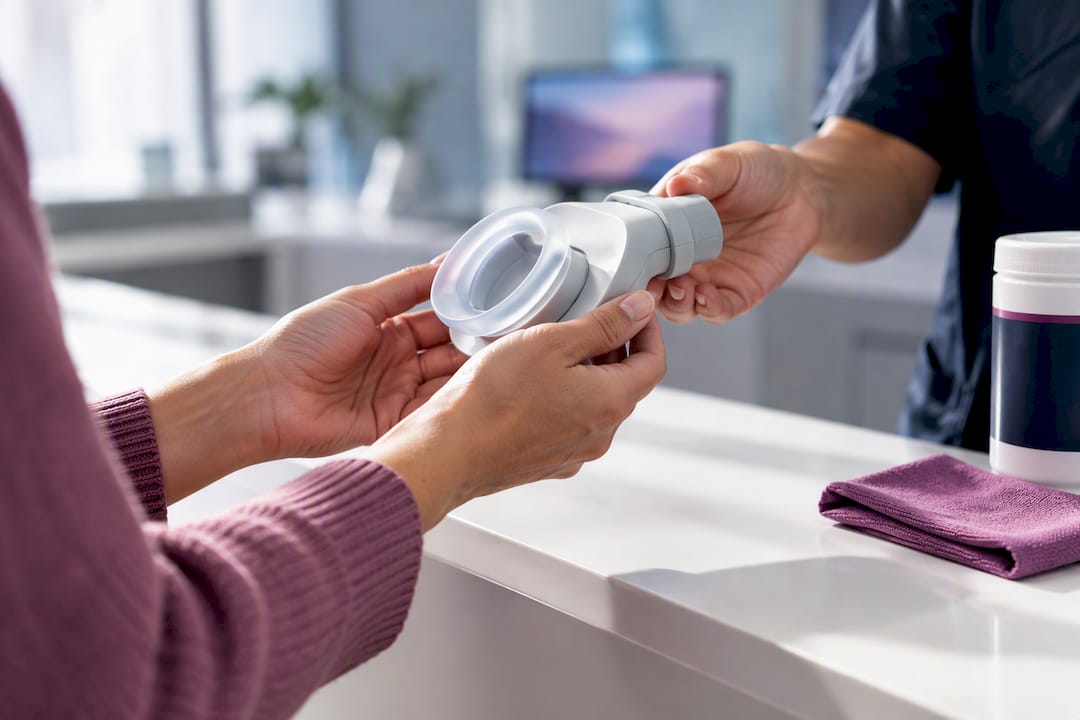
Rent and Trial Wheelchair Cushion Types in Vancouver from $75/week

Wheelchair cushions fall into five main families: foam, air-filled, gel, honeycomb or elastomer, and hybrid combinations, plus specialty contoured and positioning designs built on top of those materials. For anyone with a history of skin breakdown, impaired sensation, or long daily sitting hours, pressure relief should override comfort preference, and that means an occupational therapist or physiotherapist assessment with pressure mapping, not a guess in a medical supply aisle. The breakdown below covers what each type actually does, where it fits, and how to test one before you commit.
TL;DR:
- Cushions with air, gel, or honeycomb materials are recommended for users with skin breakdown history or limited mobility, owing to superior pressure redistribution.
- Pressure mapping assessments by professionals are essential for selecting the optimal cushion, especially for those at high risk or with changing needs, rather than relying on store tests.
- Regular maintenance checks, such as weekly inflation tests for air cushions and weekly hand pressure checks, are crucial to maintain pressure relief and skin safety.
- Renting cushions provides a practical way to test different types in real-world conditions over time, reducing the risk of inadequate support and unnecessary purchases.
- Cushion materials influence heat and moisture buildup, with honeycomb and elastomer designs offering better airflow and skin protection in warm or humid environments.
Table of Contents
- Wheelchair cushion types explained: foam, air, gel, and more
- How cushion materials affect heat, moisture, and skin health
- Why clinical assessment and pressure mapping change the choice
- How to choose a wheelchair cushion: a practical checklist
- Caring for your cushion: inspection, cleaning, and replacement signs
- Why renting cushions before buying makes clinical sense
- What most cushion advice gets backwards
- Ready to trial a wheelchair or cushion? Here’s how renting works
- Sources
- FAQ
Wheelchair cushion types explained: foam, air, gel, and more
Every cushion medium redistributes pressure differently, and the differences matter more than most shoppers assume. Here’s what separates the main categories:
-
Foam cushions. Standard or high-density foam is the entry point for most users. It’s light, inexpensive, and easy to shape into a contour, but it compresses over time and offers the least pressure redistribution of the common mediums. Foam works reasonably well for people who are mobile, shift their own weight often, and have no history of skin issues. It breaks down faster in hot, humid climates and typically needs replacing within about a year or so.
-
Gel cushions. A gel layer, usually paired with a foam base, conforms to the body and spreads weight across a wider surface than foam alone. Some comparative studies suggest gel cushions provide better pressure relief than basic foam for certain populations, though the evidence is mixed and depends heavily on individual anatomy and sitting time. Gel cushions run heavier than foam and can feel cool to sit on, which some users with circulation issues actually prefer. The trade off is weight, which can be a factor for anyone self-propelling, and a tendency for the gel to migrate to one side over time, requiring occasional redistribution.
-
Air-filled cushions. These use interconnected air cells to let the body sink in and self-adjust, distributing pressure more evenly across bony prominences than foam. Air cushions are the standard recommendation for people with a prior pressure injury or very limited mobility, because envelopment reduces peak pressure at the tailbone and hips. The catch is maintenance: air cells need regular pressure checks, punctures happen, and an under-inflated cushion loses its protective benefit fast without the user necessarily noticing.
-
Honeycomb and elastomer cushions. Built from a grid of flexible plastic or rubber cells rather than foam or air, these cushions offer strong airflow (almost no heat trapping) and hold their shape for years rather than months. They’re heavier than foam, cost more upfront, and feel firmer than gel or air to some users, but the durability and breathability make them popular for people who sit outdoors or in warm environments for long stretches.
-
Hybrid cushions. Combining two mediums, commonly a gel or air pad over a foam base, hybrids aim to capture pressure relief without sacrificing all the lightness and stability of foam. They tend to cost more than single-medium cushions but suit users who need both postural support and pressure redistribution.
-
Contoured and positioning cushions. These shape the seating surface to match pelvic and thigh geometry rather than relying purely on the medium. They matter most for users with a reducible pelvic obliquity or windswept posture, where the Health Association Nova Scotia seating guide notes the clinical goal shifts to correction rather than accommodation.
-
Bariatric and paediatric cushions. Bariatric cushions use reinforced foam or heavier duty air cells rated for higher weight capacities, often with wider dimensions to match extra-wide wheelchair frames. Paediatric cushions scale the same materials down and usually add growth adjustment room, since a child’s seating needs change faster than an adult’s.
If you’re renting rather than buying outright, ask about trial policies before you commit. A cushion that feels fine for twenty minutes in a showroom can behave completely differently after three hours of real sitting, which is exactly why renting a standard wheelchair with a swappable cushion beats buying blind.
How cushion materials affect heat, moisture, and skin health
Immersion and envelopment (how deeply the body sinks into the cushion and how well the material wraps around bony prominences) determine how evenly pressure spreads. A cushion that lets the tailbone sink in without bottoming out on a hard base does more for skin protection than one that simply feels soft on first touch.
Material choice drives the skin’s microclimate directly:
- Foam traps heat and holds moisture against the skin, which raises the risk of maceration for anyone who sweats or has limited ability to reposition.
- Gel tends to run cool but can also trap moisture underneath if the cover isn’t breathable.
- Air cushions allow more airflow between cells, though vinyl covers common on air cushions can still trap heat.
- Honeycomb and elastomer designs generally manage heat and moisture best, thanks to open-cell airflow.
Pro Tip: Choose a moisture-wicking, breathable cover over a fully waterproof one whenever incontinence isn’t a concern. Waterproof covers protect against spills but often make heat and sweat buildup worse against the skin.
Why clinical assessment and pressure mapping change the choice
An occupational therapist or physiotherapist assessment typically covers posture, transfer ability, a skin check, and pressure mapping, and the output directly shapes which cushion actually gets recommended. Pressure mapping equipment produces a colour-coded image and numeric interface pressure values at each sensor point, showing exactly where pressure concentrates and whether it’s distributed evenly across both sides of the pelvis.

That data matters because pressure mapping works best paired with hands-on observation of transfers and sitting tolerance, not as a standalone test. A cushion that scores well on a mapping mat during a five-minute assessment can still allow pressure buildup over a three-hour outing if posture shifts or the user leans to one side.
Anyone with a documented history of pressure injury, impaired sensation, or more than six hours of daily sitting should get a formal assessment before choosing a cushion, rather than relying on trial and error. Clinical guidance from RNAO recommends interdisciplinary input and ongoing reassessment precisely because a cushion that fit a person’s needs a year ago may no longer match their current risk level.
How to choose a wheelchair cushion: a practical checklist
Work through these steps in order rather than jumping straight to material preference:
- Identify your risk level. History of skin breakdown, reduced sensation, or long sitting hours all push you toward air, gel, or elastomer options over basic foam.
- Map your mobility and transfer pattern. Someone who self-propels and transfers independently needs a lighter cushion than someone who relies on a caregiver-assisted lift.
- Define your postural goals. A reducible pelvic obliquity calls for a contoured cushion aimed at correction; a fixed deformity calls for accommodation instead.
- Ask about a trial period. A few days of real-world use across sitting, transfers, and vehicle rides reveals problems that a static in-store test never will.
- Check your budget against maintenance demands. Air cushions need regular inspection; foam needs the earliest replacement; honeycomb costs more upfront but lasts years.
Before signing off on any cushion, ask the supplier or clinician these questions:
- How long is the trial period, and can I switch cushion types mid-trial?
- What does routine cleaning involve, and is the cover replaceable separately?
- What’s the warranty period, and what voids it?
- What’s the expected replacement timeline for this specific material?
Watch for these red flags: a supplier willing to sell a high-risk user a cushion with no clinician fit involved, no trial period offered at all, visible bottoming-out within weeks of use, or a cover so non-breathable it feels damp after an hour of sitting. Readers coordinating care for a family member should also see the caregiver’s guide to choosing mobility equipment for how cushion decisions interact with the rest of a seating setup.
Caring for your cushion: inspection, cleaning, and replacement signs
Run a quick hand check weekly: press down where the tailbone and hips sit and feel for a hard bottom underneath the medium. That’s the clearest sign of bottoming out, and it means the cushion is no longer protecting skin, regardless of how it looks from the outside.
- Wipe foam and gel covers with mild soap and water; avoid soaking foam inserts directly.
- Check air cushion inflation weekly using the manufacturer’s finger-test or gauge, since slow leaks are easy to miss.
- Inspect honeycomb cells for cracked or flattened sections every few months.
- Rotate or redistribute gel pads if you notice migration to one side.
Clinicians commonly recommend weight shifts every 10 to 30 minutes depending on individual tolerance, and that habit matters more than any cushion material. Foam typically needs replacing every 12 to 18 months, gel and air cushions often last two to three years with proper care, and honeycomb designs can run four years or more. Any new redness, discomfort, or change in sitting balance is a signal to request reassessment rather than wait for the calendar.
Pro Tip: Keep a spare cover on hand for whichever cushion you rent or own. A backup cover means you’re never tempted to skip a wash cycle because the cushion is “still fine to sit on” while damp.

Why renting cushions before buying makes clinical sense
Trialling a cushion in your actual home, car, and daily routine surfaces problems a five-minute clinic fitting can’t catch. Renting lets you test air, gel, or honeycomb options against your real sitting hours and transfer pattern before spending money on the wrong medium. The company offers wheelchair and cushion rentals with sanitized equipment and flexible rental terms allowing cushion swaps mid-trial.
What most cushion advice gets backwards
Most buying guides rank cushions by comfort first and clinical fit second. That’s backwards for anyone with real pressure risk. The research is consistent on one point: support surfaces vary enough in how they redistribute pressure that no single medium works for every body, so a cushion chosen on softness alone is a coin flip on skin protection.
The bigger gap I see is people treating a cushion purchase as final. Bodies change, sitting tolerance changes, and a cushion that fit last year’s risk level might be wrong for this year’s. If you take one thing from this guide, prioritize getting an actual assessment before you spend money, and treat a rental trial as part of that assessment rather than a shortcut around it. Renting several types across a real week of sitting, transferring, and travelling tells you more than any showroom test ever will.
— Chandan
Ready to trial a wheelchair or cushion? Here’s how renting works
Instead of buying a cushion sight unseen, renting allows you to test cushions over time and swap if they aren’t right before committing.
Getting started is simple. Start with the standard wheelchair rental page, listed from $75 per week, if you need a chair and cushion together, or browse the full rentals overview to compare bariatric, transport, and elevating leg rest options alongside cushion compatible frames. Measure your current seating width, note any pressure points from your last cushion, and call or book online to schedule same-day delivery. Items arrive sanitized and set up, and rental terms allow adjustments if the initial cushion or chair combination does not suit your needs. If you’re also managing a recovery at home, the hospital bed rental page is worth a look while you’re setting up equipment. Reach out today to book your delivery window.
Sources
- Pressure mapping assessment guideline/procedure (CLWK)
- Evidence summary comparing gel and foam cushions (Queen’s university appraisal/CAT)
- Prevention and management of pressure injuries (WoundCare Canada resource)
This article is general information, not a substitute for advice from a qualified doctor. Consult a qualified healthcare professional about your own circumstances before acting on anything here.
FAQ
What are the main types of wheelchair cushion styles?
The main styles are foam, gel, air-filled, honeycomb or elastomer, and hybrid cushions, along with contoured or positioning designs built for specific postural needs. Each medium redistributes pressure differently, so the right style depends on sitting time, mobility, and skin risk rather than comfort alone.
What is the most comfortable cushion for a wheelchair?
There’s no single most comfortable option; comfort depends on body shape, sitting duration, and whether pressure relief or postural support matters more. Air and gel cushions often feel most adaptive for long sitting hours, while honeycomb designs suit users prioritizing durability and breathability over softness.
What are some good comfort cushions for wheelchairs?
Gel and hybrid cushions tend to balance comfort with pressure redistribution well for moderate risk users, while contoured foam suits people needing postural correction alongside comfort. Anyone with a prior pressure injury should treat comfort as secondary to a clinician-guided fit using pressure mapping.
What are the different types of chair cushions used for seating?
Beyond the standard foam, gel, air, and honeycomb categories, seating cushions also include bariatric versions built for higher weight capacities and paediatric versions scaled for growing bodies. Contoured and positioning cushions add shaping for pelvic obliquity or windswept posture on top of any base medium.
How do I know if I need a cushion assessment instead of buying off the shelf?
Anyone with a history of skin breakdown, reduced sensation, or more than six hours of daily sitting should get an occupational therapist or physiotherapist assessment before choosing a cushion. Pressure mapping during that assessment shows exactly where pressure concentrates, which off-the-shelf shopping can’t replicate.
Can I rent a wheelchair cushion before buying one?
Yes, renting lets you trial a cushion across real sitting, transfer, and travel conditions before committing to a purchase. Seventh Chakra delivers sanitized wheelchairs and cushions same-day across the Greater Vancouver area, with the standard wheelchair rental priced from $75 per week and no deposit required.