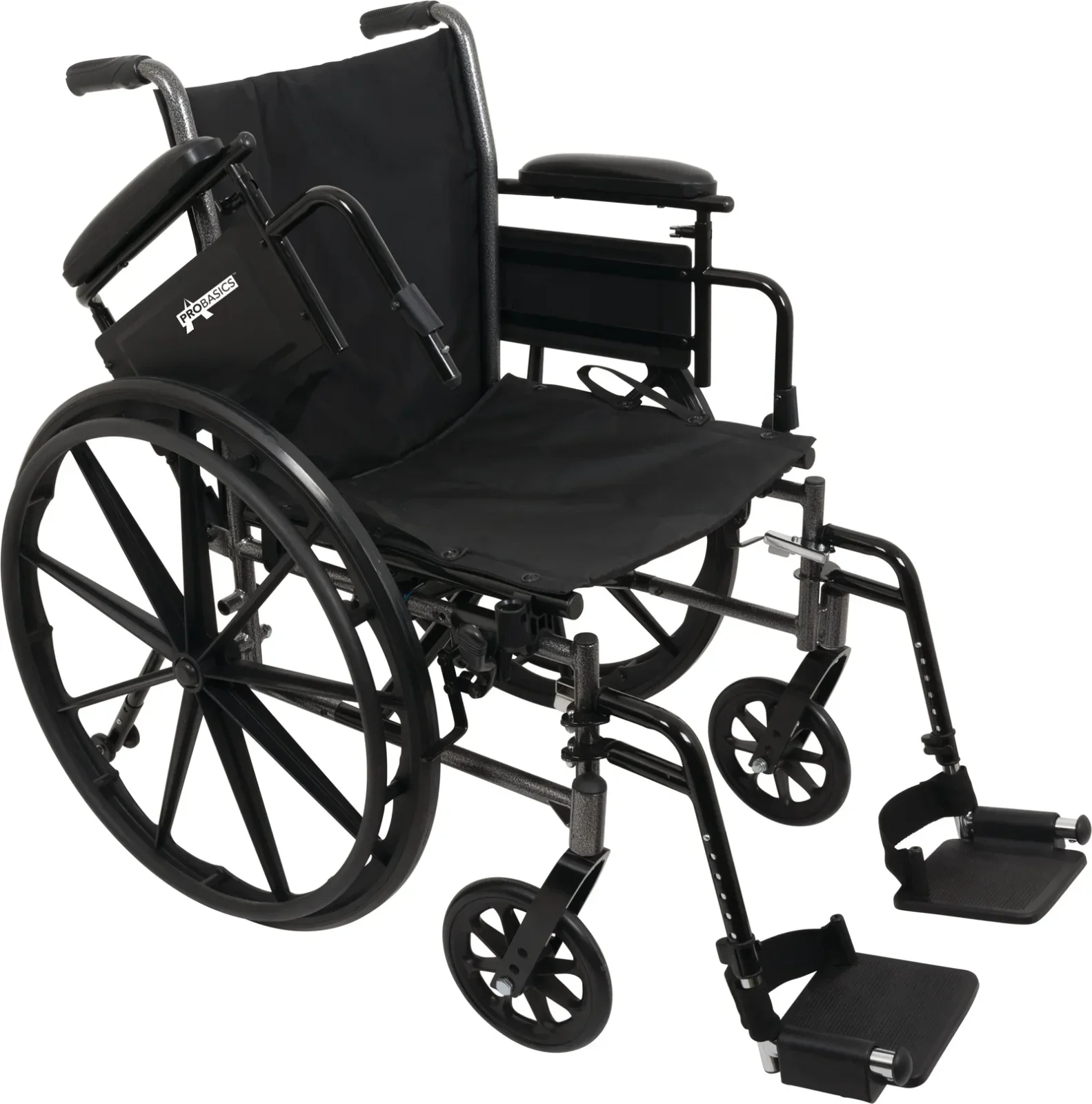
Bariatric Walker Capacity: 400–500 Pounds, Try Renting First

Most bariatric walkers hold around 400 to 500 pounds, with some heavy-duty models rated for higher weight capacities of around 600 pounds, but the exact number always depends on the specific model. Before you buy or rent, check the manufacturer’s spec sheet and build in a safety margin of 10 to 25% above the user’s actual weight. If you’re not sure which capacity class fits your needs, renting one from a provider like Seventh Chakra lets you test a size before committing.
TL;DR:
- Published capacity ratings describe structural limits rather than daily impact tests, so reinforced frames offer more reserve during transfers and on uneven ground.
- Measure hip width against the frame and check handle spacing, seat dimensions, and relaxed elbow bend during a trial walk to catch fit problems.
- Verify the exact model rating, reinforcement details, and warranty; standard walkers often stay below 275 pounds, while bariatric models commonly support 400 to 500 pounds.
- Check Canadian recall notices and inspect wheel hardware before use; tighten visible fasteners monthly, then examine welds and frame joints every few months.
Table of Contents
- Typical capacity ranges and what they mean in practice
- How to read a bariatric walker spec sheet
- Safety checks, recalls and maintenance for higher-capacity walkers
- Which option suits you: buying vs renting and how Seventh Chakra can help
- How weight capacity affects mobility and stability
- Why a healthcare professional should weigh in on your choice
- Durability and safety as weight capacity increases
- Comparing weight capacities across brands and models
- What a short trial walk tells you about fit
- Try a bariatric-rated rental before you commit
- FAQ
- Sources
Typical capacity ranges and what they mean in practice
Walker weight ratings fall into a few recognizable bands, and each one points to a different kind of user and build quality. Standard walkers typically top out under 275 pounds, which covers most general mobility needs but leaves no margin for heavier users. Heavy-duty models usually start around 300 to 350 pounds, using sturdier aluminum or steel tubing than a basic frame. True bariatric walkers are commonly rated at 400 to 500 pounds, and high-capacity versions can reach 600 pounds or beyond, according to Ontario’s mobility devices product manual.
The jump in capacity isn’t just a number change, it reflects real construction differences:
- Reinforced frames use thicker-gauge steel or heavy-duty aluminum instead of standard lightweight tubing.
- Wider handle spacing, typically 17 to 21 inches, accommodates larger body frames and easier grip positioning.
- Additional cross-bracing and reinforced leg welds reduce flex under higher loads.
Seat width and handle spacing matter as much as the capacity rating itself. A walker rated for 500 pounds won’t feel stable if the user’s hips don’t clear the frame width, or if bulky clothing or transfer assistance changes how the device needs to be positioned. Fit, not just the number on the label, determines whether a walker actually performs the way its rating suggests.
How to read a bariatric walker spec sheet
Comparing two walkers side by side gets easier once you know which lines on the spec sheet actually matter. Here’s what to check, in order:
- Rated weight capacity: confirm this is the maximum supported weight, not a combined weight with accessories or a seat.
- Overall width and handle spacing: measure against the user’s hip and shoulder width, not just a general size category.
- Seat dimensions, if the model includes one, since seated bariatric walkers need wider, reinforced platforms.
- Material and reinforcements: look for mentions of steel tubing, welded joints, or reinforced leg braces.
- Warranty statement: a longer warranty, sometimes described as limited lifetime on the frame, often signals the manufacturer’s own confidence in the build.
A rated capacity is usually a static or structural limit, not a dynamic stress test for daily bumps and uneven terrain, so the safety margin matters more than it might seem. If specs are listed in kilograms, remember that 1 kilogram equals roughly 2.2 pounds, so a 180 kg rating converts to about 396 pounds.
Pro Tip: Bring a tape measure to any in-person fitting and check hip width against the walker’s internal frame width before you commit to a model.
For a quick test-fit, stand between the handles, grip them at a relaxed elbow bend, and walk a short distance to feel for side-to-side wobble or handle height that forces your shoulders up.
Safety checks, recalls and maintenance for higher-capacity walkers
Higher loads put more stress on the same small components that fail on any walker, which is why inspection matters more on bariatric models. Common failure points include:
- Loose wheel nuts or acorn nuts that let casters shift under weight.
- Caster wheel failures, especially glide caps that can loosen and create an unstable base.
- Weld cracks or stress fractures at leg joints, which show up as creaking or visible flex.
A recurring safety signal in Canada: component failures, not full frame collapse, drive most walker recalls. A 2023 recall for Medline walker wheels flagged glide caps that could loosen and cause instability, and an earlier recall affecting a gait trainer and walker pointed to similar hardware concerns. Checking the Government of Canada recalls database before a purchase, or before accepting delivery of a rental, takes a few minutes and can catch a known issue early.
A simple routine helps: tighten all visible hardware monthly, inspect caster wheels and glide caps for play every time the walker is used outdoors, and check welds and frame joints for cracks every few months, more often for daily, heavy use.
Which option suits you: buying vs renting and how Seventh Chakra can help
The right choice often comes down to how long you’ll need the equipment and how certain you are about the capacity required. Renting makes sense for short-term recovery, a trial period while waiting on a long-term equipment decision, or when the required capacity class isn’t obvious yet. Buying fits better once the need is permanent and you know exactly which features, seat width, handle height, reinforcement level, actually work for daily use.
Whichever path you choose, the same checklist applies:
- Measure the intended user’s weight and add a 10 to 25% safety margin before comparing rated capacities.
- Check seat and handle spacing against actual hip and shoulder width, not just the general size category.
- Confirm warranty or support terms, since a longer warranty often reflects stronger build quality.
For the Greater Vancouver area, we offer bariatric wheelchair rentals built for extra-wide needs and a four-wheel rollator walker available for short-term or extended rental, both delivered the same day with no deposit required. Every piece of equipment is sanitized before it reaches your door, and rental terms are adjusted to match your needs. If you’re recovering from a procedure and need equipment on short notice, our caregiver’s guide to choosing mobility equipment walks through the same fit and capacity questions covered above.
How weight capacity affects mobility and stability
A walker’s weight rating isn’t just a safety ceiling, it directly shapes how stable the device feels during actual use. When a user’s weight sits close to or above a walker’s rated capacity, the frame flexes more under load, which translates into a less rigid base and more side-to-side sway with each step. That instability compounds with speed and uneven surfaces, since a frame already near its limit has less structural reserve to absorb an uneven curb cut or a quick weight shift.
Capacity headroom also affects how confidently someone can use the walker for sit-to-stand transfers, which put a brief spike of extra force through the frame and legs. A walker rated well above the user’s actual weight handles that spike without flexing, while one rated close to the limit may feel noticeably less steady during the transfer itself, even if it supports the user fine once standing.
This is part of why handle spacing and seat width matter alongside the raw capacity number. A wider frame distributes weight across a broader base, improving lateral stability independent of the weight rating itself. Choosing a capacity band with some margin above the user’s actual weight, rather than cutting it close, generally produces a steadier, more predictable walking experience day to day.
Why a healthcare professional should weigh in on your choice
Choosing a bariatric walker involves more than matching a number on a spec sheet to a number on a scale. A healthcare provider, whether that’s an occupational therapist, physiotherapist, or the prescribing physician, can assess gait pattern, grip strength, and balance in ways a product listing can’t account for. These factors influence whether a standard four-wheel rollator design or a different mobility aid altogether is the safer fit.
HealthLink BC’s guidance on walker use notes that a four-legged design offers the most stable support, but the right walker still depends on individual mobility needs, home layout, and recovery stage. A clinician can also flag when a walker isn’t the right tool at all, for example when a rollator with wheels poses a different risk profile than a stationary four-legged frame for someone with specific balance issues.
Provincial program manuals, like Ontario’s mobility device guidelines, typically require clinical authorization before funding a bariatric-class device, which reflects how closely professional assessment and equipment selection are tied together in practice. Even outside funding programs, a short conversation with a healthcare provider before buying or renting can prevent the common mismatch of choosing a capacity class that’s technically sufficient but poorly suited to the user’s actual gait and transfer pattern. If you’ve recently had bariatric surgery and need temporary mobility support during recovery, a bariatric surgery consultation checklist can help you plan ahead for the equipment and logistics involved.
Durability and safety as weight capacity increases
Higher weight ratings generally come with sturdier materials, but that relationship only holds when the walker is built, not just labelled, for the higher band. Manufacturer product pages, such as Drive Medical’s bariatric aluminum folding walker, list specific capacity figures alongside the reinforced construction that supports them, which is worth comparing directly rather than assuming higher capacity always means a proportionally sturdier frame.
Durability under repeated use matters as much as the capacity rating on day one. A frame rated right at the edge of a user’s weight wears faster, since every step and every sit-to-stand transfer pushes closer to the structural limit. Thicker-gauge tubing and reinforced cross-bracing, common in heavy-duty and bariatric designs, reduce that wear over months of daily use rather than just surviving a single load test.
Safety margin and durability are connected: a walker chosen with 10 to 25% of capacity headroom not only feels steadier on day one, it also tends to hold up longer before hardware loosens or welds show stress. That’s part of why periodic hardware checks matter more on bariatric-rated equipment than on a standard walker used well under its limit, the components are working harder even when the rated capacity seems comfortably sufficient.
Comparing weight capacities across brands and models
Weight capacity figures vary meaningfully between manufacturers, even within the same general product category. Drive Medical’s bariatric folding walkers list capacities around 500 to 600 pounds in their product specifications, while some specialized bariatric models advertise maximum user weights up to 700 pounds in their own product literature, though figures at that upper end should always be verified directly against the specific model’s current spec sheet rather than assumed from category averages.

Heavy-duty walker lines from industrial and medical equipment suppliers often emphasize construction details, U-braces, steel legs, and side bracing, as the differentiator behind their capacity rating, rather than the number alone. That construction detail is worth comparing directly: two walkers rated at a similar capacity can differ in how that rating is achieved, and the reinforcement approach often predicts how the frame performs over months of daily use rather than in a single weight test.
Rather than shopping by capacity number alone, compare the specific reinforcement details, handle spacing, and warranty terms across the models you’re considering. A 500-pound-rated walker with full cross-bracing and a limited lifetime warranty on the frame often represents a more dependable long-term choice than a similarly rated model without those details listed.
What a short trial walk tells you about fit
A quick trial walk reveals more about fit than any spec sheet. Watch for side-to-side wobble, handle height that forces your shoulders up, and whether your hips clear the frame comfortably during a normal stride. Document the measurements you take, hip width, usable handle height, and any funding program reference numbers, before booking a rental or purchase, since you’ll need them again if the first fit isn’t right.
— Chandan
Try a bariatric-rated rental before you commit
Renting first means you’re never guessing whether a capacity class actually works for daily use, you’re testing it. We deliver bariatric wheelchair rentals built for wider frames and four-wheel rollator walkers the same day, with no deposit required and every unit sanitized before it arrives.

Rental terms are flexible, whether you need equipment for a few weeks of recovery or a longer-term arrangement while you decide on a permanent purchase. Our full range of rentals, including bariatric-compatible wheelchairs, rollators, and mobility scooters, is available on our rentals page, where you can check current availability across the Greater Vancouver area and get a straightforward quote before you book.
FAQ
How much weight can a bariatric walker hold?
Most bariatric walkers hold around 400 to 500 pounds, with some heavy-duty models rated for higher weight capacities of around 600 pounds, according to Ontario’s mobility devices product manual. The exact figure always depends on the specific model, so checking the manufacturer’s spec sheet before buying or renting is the only reliable way to confirm it.
Is there a rollator with a 500-pound capacity?
Yes, several bariatric-class rollators are rated to 500 pounds, including models listed on Drive Medical’s bariatric walker product page. We also offer a four-wheel rollator walker for rental if you’d like to trial a capacity class before purchasing one outright.
What’s the difference between a bariatric walker and a regular walker?
A bariatric walker uses reinforced construction, thicker-gauge steel or aluminum, wider handle spacing, and additional cross-bracing, to safely support higher weight capacities, typically starting around 400 pounds. A regular walker is generally rated under 275 pounds and uses lighter materials suited to standard mobility needs.
Is there a rollator walker with a 400-pound capacity?
Yes, 400-pound capacity rollators sit at the lower end of the bariatric category and are common across several manufacturers, as outlined in Ontario’s mobility device guidelines. If you’re unsure whether 400 pounds offers enough margin for your needs, renting one first lets you confirm fit and stability before committing to a purchase.
Sources
- Mobility devices product manual (Ontario ADP) — ambulation aids
- Medline 3" walker wheels with glide caps — recall (Government of Canada)
- Using a walker — HealthLink BC