
Photo Proof Return Checklist for Medical Equipment Rentals in Canada
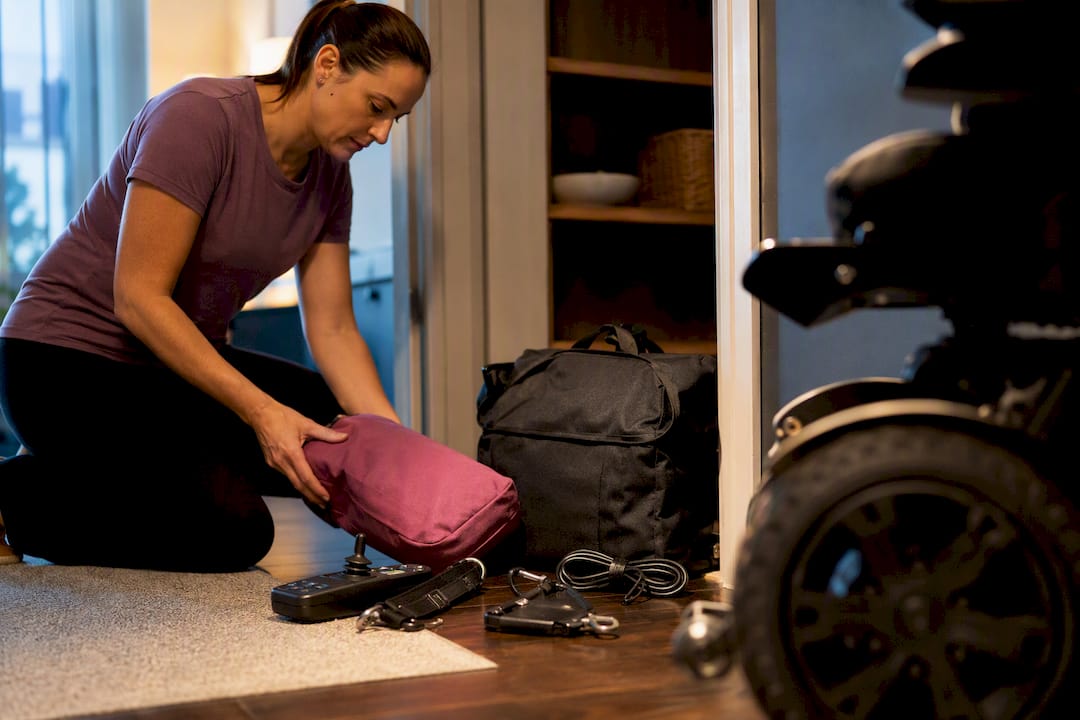
Call your provider or use their online portal to schedule a pickup, and confirm the billing cutoff in writing before the return date arrives. Most companies need advance notice by a few days, so don’t wait until the last day. Clean the unit, gather every cord and remote, and take photos before the crew shows up. That single sequence, schedule, confirm, prep, document, is what keeps your final invoice free of surprises.
TL;DR:
- Most providers require at least 48 hours’ notice to schedule a pickup and confirm billing stops in writing, preventing unexpected charges.
- Preparing equipment involves removing personal items, cleaning surfaces with disinfectant, and photographing condition and serial numbers beforehand.
- Confirm whether billing stops upon pickup request or only when equipment is returned to avoid disputes or extra fees.
- Document all steps: keep proof of pickup, capture photos of equipment condition, and verify damage reports to protect against unexpected charges.
- In case of delays, use drop-off locations or courier returns with tracking, and always request a written stop date if pickups are rescheduled.
Table of Contents
- What is the return medical equipment rental process?
- How do I schedule a pickup and who do I contact?
- Preparing your equipment for pickup
- What fees and paperwork should I check before returning equipment?
- What happens during pickup and inspection
- What if the provider delays pickup or you can’t schedule one?
- Donating or recycling equipment you no longer need
- The one thing most return checklists get wrong
- Need a fast, no-deposit return or exchange?
- Where to check the rules yourself
- Sources
- FAQ
What is the return medical equipment rental process?
Returning a rented mobility scooter, wheelchair, or hospital bed follows a set sequence almost every Canadian provider uses: notify, prepare, document, hand off, confirm. The exact wording differs by company, but the mechanics rarely do.
Here’s the order that avoids the most common problems:
- Notify the provider by phone, email, or portal request, ideally 48 hours before your rental end date.
- Get written confirmation of the pickup window and the date billing stops.
- Clear the space so the crew has room to work, and have someone present or a designated representative available.
- Strip and clean the unit, removing personal items, bedding, and anything you added.
- Photograph the equipment from several angles right before pickup.
- Keep proof of pickup, whether that’s a signed ticket, a tracking number, or an email trail.
Pro Tip: Photograph the equipment’s serial number along with the overall condition. If a billing dispute ever comes up, that one photo proves both what you returned and that it matches the unit you were charged for.
Skipping any of these steps rarely ends the world, but it’s usually the reason people get hit with a fee they didn’t expect.
How do I schedule a pickup and who do I contact?
Most rental companies offer three ways to arrange a return: phone, email, or an online portal. Each has a different trade-off. A phone call usually gets you an immediate slot, since a live person can check the schedule on the spot. Email creates a paper trail automatically, which matters if a dispute comes up later. A portal request often does both, generating a timestamped ticket while routing to a scheduler.
Whichever channel you use, have this information ready:
- Your rental ID or account number
- Preferred pickup date and a couple of backup time windows
- Full address, including unit number, parking instructions, and elevator access if it applies
- Whether anyone will be home, or who the designated contact is
Ask directly whether billing stops the moment you request pickup or only once the equipment physically arrives back at the warehouse. This single question, confirmed in writing, is the one most renters forget and the one that causes the most billing confusion. Request a job or ticket number before you hang up or send the email, and if you need same-day pickup, say so upfront since not every provider can accommodate it.
Preparing your equipment for pickup
The crew that shows up to collect a hospital bed or mobility scooter is on a schedule. The faster they can inspect and load the unit, the less likely you are to see an extra trip charge or delay fee tacked onto your final bill.
Start by pulling off everything that isn’t part of the original rental. That means bedding, seat cushions, phone mounts, and any personal items tucked into a wheelchair’s side pockets. Keep the manuals, remotes, safety rails, and any pins or brackets together in one bag so nothing gets left behind in a drawer.
Clean surfaces with a mild, non-abrasive disinfectant. Skip anything abrasive that could scratch upholstery or plastic housings. When it comes to cords, coil them loosely and secure with a soft tie rather than tape. Adhesive residue on a power cord is a small thing, but it’s exactly the kind of detail that shows up on a “cleaning beyond normal wear” line item.
Photograph the unit’s condition and its serial number before the crew arrives. Note any existing scratches, staining, or wear in writing, ideally in the same email where you confirmed the pickup window.
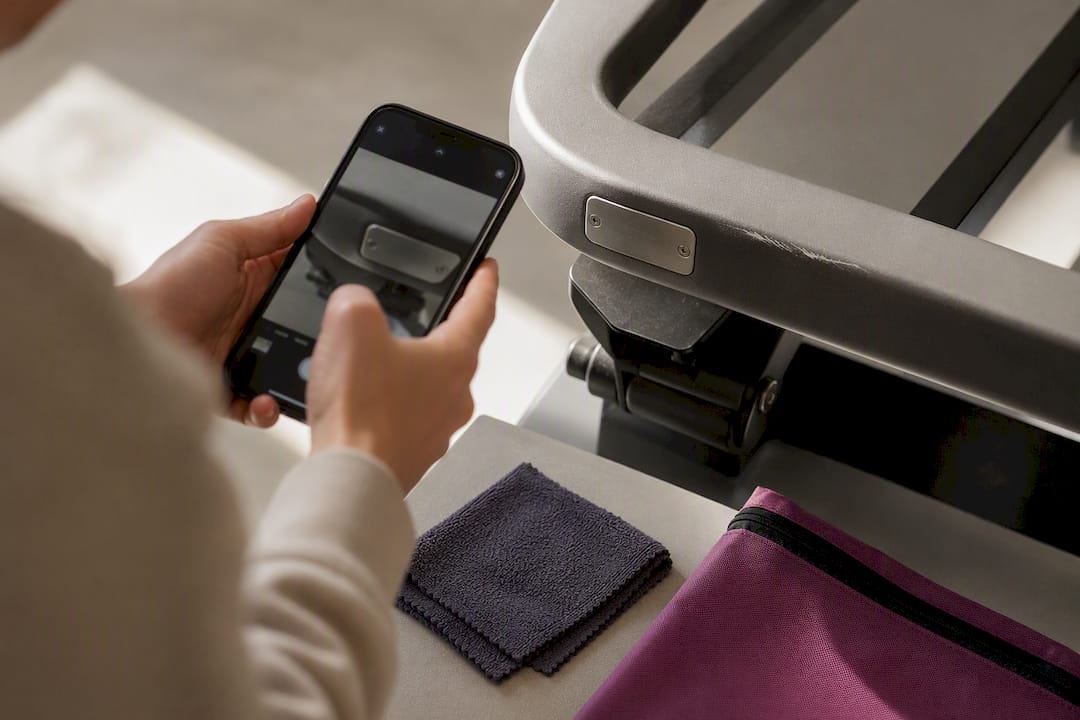
Pro Tip: Don’t attempt to disassemble a hospital bed frame or heavy scooter battery pack yourself. Ask the provider whether their crew handles disassembly, most do, since moving heavy parts alone risks injury and can void a damage waiver.
If your rental included a damage waiver, keep that paperwork handy in case the inspection raises any questions.
What fees and paperwork should I check before returning equipment?
Billing at the end of a rental works one of two ways, and providers are not consistent about which one they use. Some stop the clock the moment you submit a pickup request. Others keep billing until the equipment is physically back in their possession. Both practices are common, so ask directly rather than assuming.
Common charges to watch for:
- Missed-pickup fees if nobody is home during the scheduled window
- Extra trip labour if the crew has to return a second time
- Cleaning fees for anything beyond normal wear and tear
- Replacement charges for missing accessories, remotes, or rails
Before your return date, pull out your rental agreement and check the wording around billing cutoff, pickup fees, damage definitions, and any renewal or extension clauses. If a final invoice includes a charge you don’t recognize, dispute it using your photos, your written pickup confirmation, and a request for an itemized breakdown rather than a lump sum.
If you paid out of pocket for a wheelchair or hospital bed rental, check whether the cost qualifies under the medical expense tax credit before you file your return.
What happens during pickup and inspection
Pickup crews generally follow a predictable sequence: they arrive within the confirmed window, show ID, and walk through a visual inspection before touching anything. If the unit needs disassembly, that typically happens on-site, followed by loading and a signed paperwork exchange, and providers often recommend booking 48 to 72 hours ahead to lock in a slot.
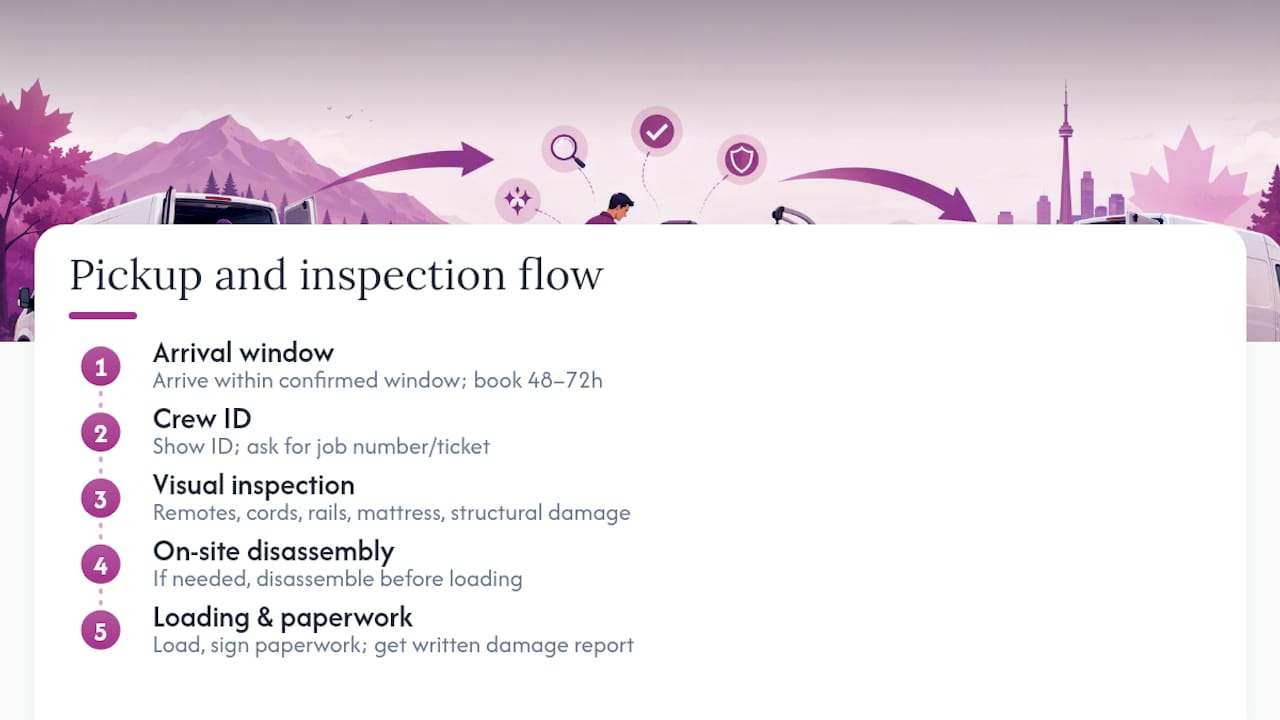
The inspection itself covers remotes, cords, safety rails, mattress or seat condition, and any visible structural damage. Cleanliness gets checked too, so the disinfecting step from earlier isn’t optional if you want to avoid a line-item fee.
Ask for the crew’s job number or a signed ticket before they leave, and hold onto your own photos as separate evidence. If the crew notes any damage, insist on a written damage report and a repair estimate rather than accepting an on-the-spot replacement charge. A repair estimate gives you room to question the number; an immediate charge doesn’t.
What if the provider delays pickup or you can’t schedule one?
Scheduling gaps happen, especially around holidays or weekends. A few fallback options limit extra billing while you wait:
- Ask whether the company has a drop-off location or partner locker, and get the exact packing rules before you go.
- For smaller devices, a prepaid courier return works well: reuse the original box where possible and keep the tracking number as proof of return.
- Check with local loan closets or recycle programs before assuming donation is your only option.
- If pickup gets rescheduled more than once, document each attempt with timestamps and ask the provider for a written billing stop date.
That last point matters more than it sounds. A written stop date protects you even if the physical pickup slips further.
Donating or recycling equipment you no longer need
If a mobility scooter, wheelchair, or hospital bed has served its purpose and you’re not renting it, treat a donation exactly like a return: clean it, remove personal items, and gather every accessory and manual that came with it.
Before you schedule a drop-off or pickup, confirm the receiving program actually accepts that type of equipment, and in what condition. Some accept only working units with all original parts; others take items for parts recycling.
The AADL Equipment Recycle Program is a solid example of how a Canadian program structures intake and pickup requests. Provider-run recycle programs work similarly, and many rental companies can point you toward local options if you ask directly. A planning checklist built for aging-in-place transitions can also help you sort what’s worth donating versus discarding.
The one thing most return checklists get wrong
Most advice on returning rented medical equipment focuses on cleaning and disassembly, as if the physical handoff is the hard part. It isn’t. The friction almost always comes from an unclear assumption about who initiates the pickup. Renters tend to assume it’s automatic once the rental period ends. Providers, in nearly every case, need a documented request first.
That gap is where missed-pickup fees and billing disputes actually originate, not from dirty equipment or a missing remote. If there’s one habit worth adopting over any other, it’s treating the return like a formal handoff rather than a formality. Confirm the pickup window in writing, confirm the billing cutoff separately, and don’t rely on a verbal agreement to hold up later.
The conventional checklist approach, wipe it down, box it up, wait for a truck, isn’t wrong. It’s just incomplete. Documentation is the part that actually protects you financially, and it’s the part most people skip until they’re disputing a charge after the fact.
— Chandan
Need a fast, no-deposit return or exchange?
Seventhchakra is the alternative to juggling a multi-week rental contract when your recovery timeline changes overnight. If your needs shift, say a wheelchair rental needs to become a hospital bed, or a scooter rental needs extending by a week, Seventhchakra handles it without a deposit and without locking you into rigid terms.
Every rental arrives sanitized, and returns follow the same documented process outlined above: schedule your pickup by phone or online, confirm your billing cutoff in writing, and keep your rental terms flexible if your situation changes mid rental. Same-day delivery across the Greater Vancouver area means you’re never stuck waiting days for a replacement unit while a return is pending.
If you’re currently weighing your options, browse the hospital bed rental page or the wheelchair rental page to see current terms, or call ahead to arrange an exchange before your existing rental period ends.
Where to check the rules yourself
For anything involving tax treatment, donation eligibility, or contract wording, go straight to the source rather than a summary. The medical expense tax credit folio covers claimable costs. The AADL Recycle Program shows how a donation intake process works. Provider FAQ pages are worth checking too, since they often answer repair and replacement questions specific to your equipment type.
Sources
FAQ
What can I do with spare medical supplies?
Unused supplies like unopened dressings or unused mobility aids can often go to local loan closets, hospital donation programs, or recycle initiatives rather than the trash. Check with the receiving organization first to confirm what condition they’ll accept.
Where can I donate unused medical equipment?
Provincial and municipal loan-closet programs, along with recycle initiatives like the AADL Equipment Recycle Program, are good starting points. Many rental companies, including Seventhchakra, can also point you toward local donation options once a rental period ends.
What’s the best place to donate a wheelchair or scooter?
There’s no single best answer since it depends on your location, but local health equipment loan programs and recognized recycle programs typically take working units with all original accessories. Confirm intake requirements before dropping anything off.
Does billing stop the moment I request pickup?
That depends entirely on the provider. Some stop billing when you submit the request; others continue until the unit is physically received back at the warehouse, so confirm this in writing before your scheduled pickup date.
How much notice do I need to give before returning rented equipment?
Most providers recommend booking 48 to 72 hours ahead for larger items like hospital beds, but check your specific rental agreement, since notice windows vary by company.


