Mobility aids reduce caregiver burden by doing something deceptively simple: they shift the physical load from the caregiver’s body to a device designed for it. Wheelchairs, walkers, patient lifts, and adjustable hospital beds all cut the manual effort required for daily care tasks, and the research backs this up clearly. Here is what that means in practice for anyone supporting a family member at home:
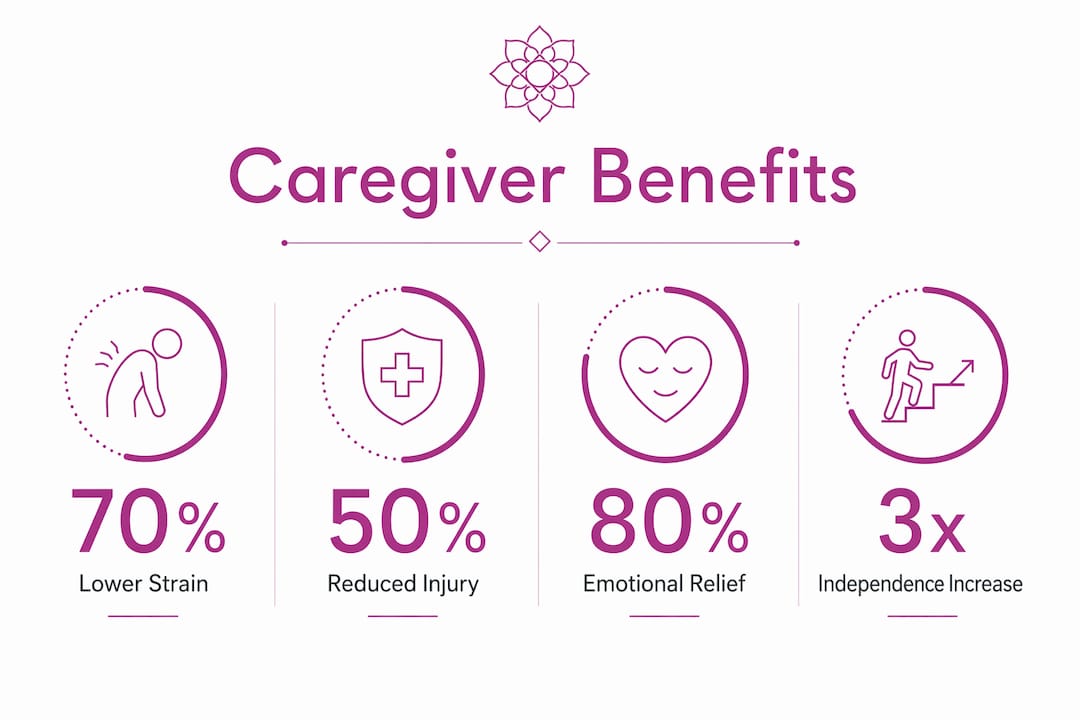
- Mechanical transfer devices reduce lower back stress from a median score of 5 to 0 compared to manual handling
- Shoulder, upper back, and knee strain drop significantly when even a low-cost transfer aid replaces manual lifting
- Assistive technology interventions reduce both activity-specific and overall caregiver burden within six weeks
- Patient independence gained through mobility aids directly lowers the emotional stress caregivers carry
- Caregivers who use proper equipment are less likely to burn out, which protects the continuity of care for the person they support
How mobility aids improve caregiver outcomes physically and emotionally
The physical toll of caregiving is well documented. Transfers, repositioning, and assisting with mobility are among the most injury-prone tasks a caregiver performs, and the injuries are not limited to the lower back. Research on caregiver physical stress shows that shoulders and upper extremities are also at high risk, particularly during repositioning activities where hand force is sustained over time.
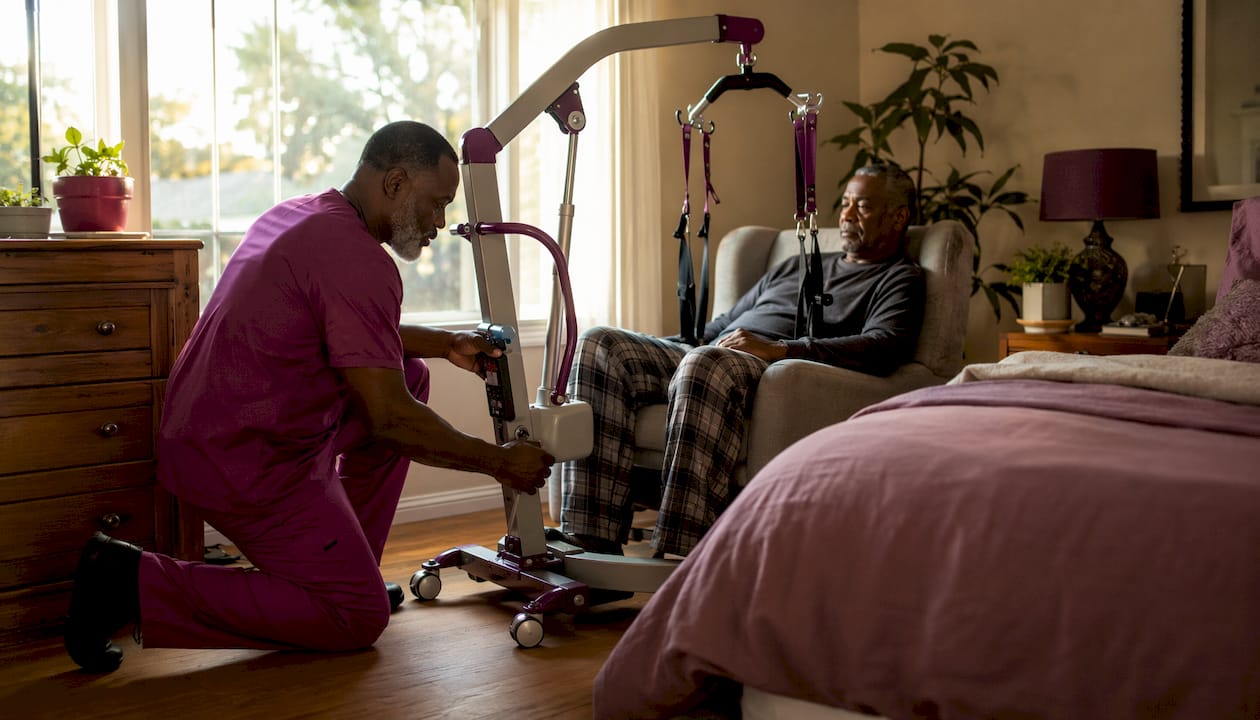
Mechanical aids address this directly. A study using a turning transfer device found that physical stress scores across the shoulder, upper back, lower back, whole body, and knee were all significantly lower with device-assisted transfers than with manual ones. The lower back score dropped from a median of 5 to 0. That is not a marginal improvement; it is the difference between a task that injures and one that does not.
The emotional side is equally well supported. Caregiver burden research consistently shows that burden correlates with the care recipient’s level of dependency. When a wheelchair or walker restores some of that person’s independence, the caregiver’s perceived burden drops alongside it. Ontario-specific data confirms this pattern: a large portion of family caregivers in the province experience distress, anger, or depression, pointing to how urgently caregivers need practical relief.
| Caregiver outcome | Without mobility aid | With mobility aid |
|---|---|---|
| Lower back stress (median score) | 5 | 0 |
| Shoulder stress | Elevated | Significantly reduced |
| Activity-specific burden | High at baseline | Decreased significantly by 22 weeks |
| Overall caregiver burden | High at baseline | Decreased significantly over time |
| Risk of burnout | Higher | Lower with sustained aid use |
Pro Tip: If you are already experiencing shoulder or back pain from caregiving tasks, do not wait for an injury to worsen. Occupational therapists can assess your situation and recommend a specific device before the damage accumulates.
What types of mobility aids actually help caregivers?
Each category of mobility aid addresses a different caregiving challenge. Knowing which device fits which task is what separates a genuinely useful intervention from equipment that sits unused in a hallway.
-
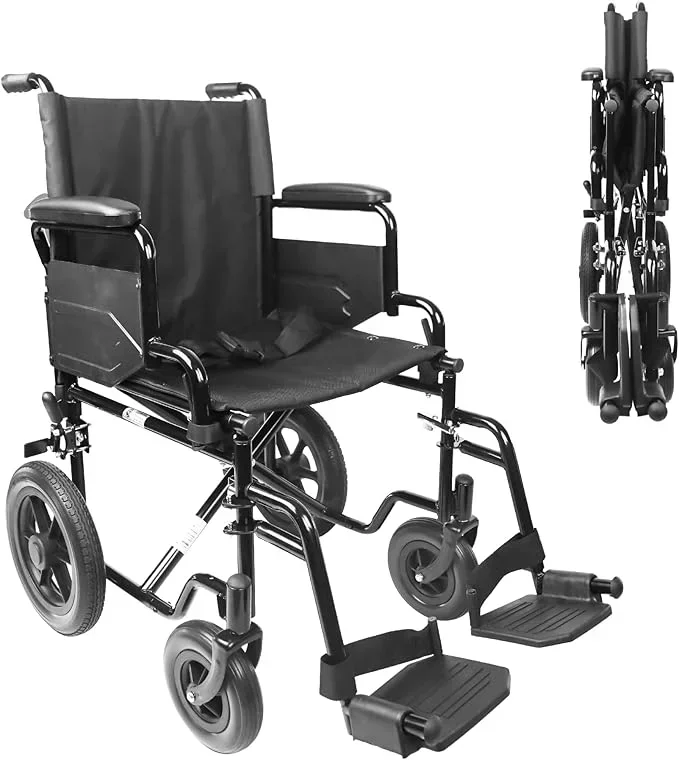
Wheelchairs (manual and power models): Manual wheelchairs reduce the need for a caregiver to physically support a person during movement, while power models go further by giving the care recipient independent control. Matching the right wheelchair to the person’s condition determines how much caregiver effort is actually saved. A power wheelchair for someone with upper limb strength can eliminate the caregiver’s role in transport almost entirely.
-
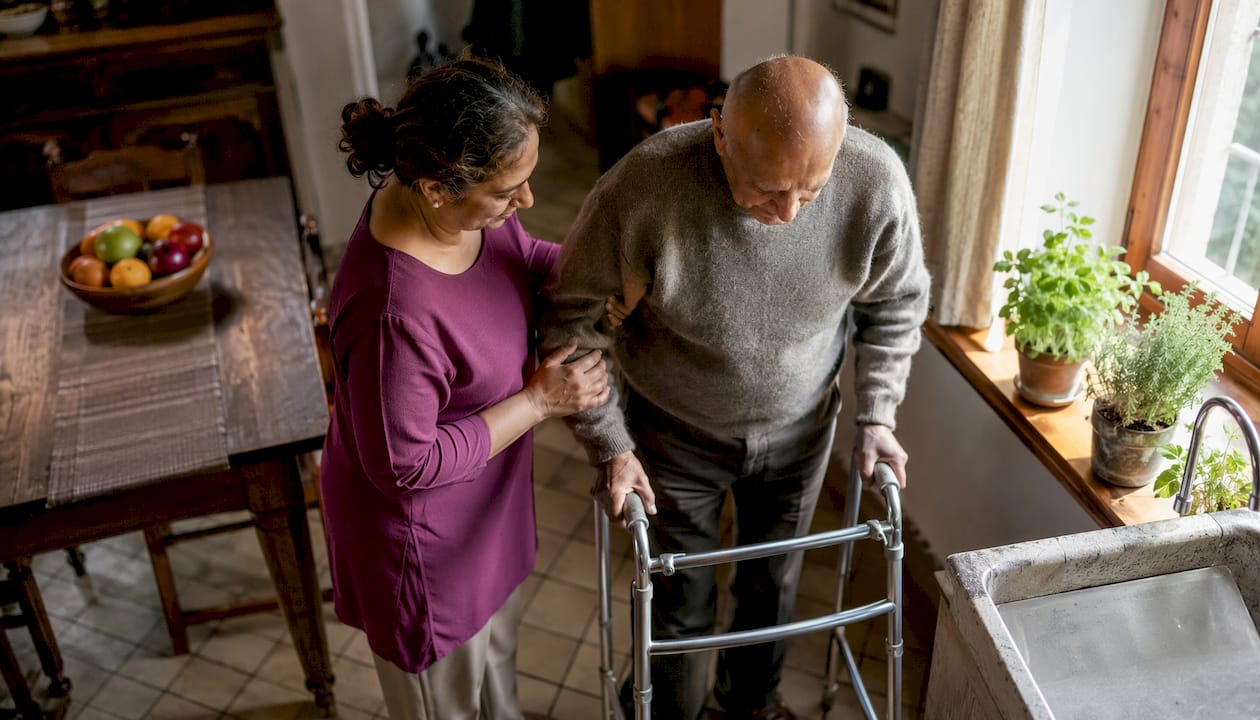
Walkers and rollators: For people who can bear some weight, a walker or rollator provides the stability they need to move without leaning on a caregiver. This is particularly relevant for fall prevention. Every fall a caregiver prevents through a walker is also a fall they do not have to physically catch, which protects both parties.
-
Patient lifts: Mechanical lift equipment is the safest and most effective method for repositioning or moving patients of any weight. Ceiling lifts and portable floor hoists remove the need for manual lifting almost entirely. For caregivers supporting heavier individuals or those with very limited mobility, a patient lift is not optional; it is the only way to perform transfers without injury risk.
-
Hospital beds: Adjustable hospital beds let caregivers work at the right height for their own body, which reduces hand and spine strain during repositioning tasks. Beds with built-in repositioning features, such as head and foot elevation controls, also reduce how often a caregiver needs to manually reposition the person. Integrated features on a single bed remove the need for separate devices, which means fewer barriers to actually using them.
Pro Tip: For home care situations, a hospital bed with side rails and height adjustment does double duty: it protects the person in bed and reduces the caregiver’s bending and reaching. Seventhchakra rents hospital beds for home care with same-day delivery across Vancouver, Richmond, and Surrey.
Why caregiver input and professional support change the outcome
The way a mobility aid is selected matters as much as the device itself. Caregiver-inclusive selection focuses on identifying which tasks are most physically demanding for the caregiver, not just which activities the care recipient finds difficult. Those two lists often differ, and equipment chosen without caregiver input tends to address the wrong problem.
A randomised controlled trial found that when assistive technology provision involved caregivers in the process, both activity-specific and overall burden decreased significantly over time. By 22 weeks, caregivers in both the caregiver-inclusive and customary care groups reported meaningful reductions in burden scores, which supports the broader conclusion that assistive technology provision itself benefits caregivers when it is done properly.
Professional assessment by an occupational therapist is the most reliable way to get device selection right. An occupational therapist evaluates the home environment, the care recipient’s functional capacity, and the caregiver’s physical limitations before recommending equipment. Training on proper use follows from that assessment and is not a formality. Caregivers who know how to operate a patient lift or adjust a hospital bed correctly are less likely to revert to manual handling when the task feels urgent.
- Identify the two or three caregiving tasks that cause the most physical strain
- Bring that list to an occupational therapist assessment
- Request a demonstration of any device before committing to a rental or purchase
- Schedule a follow-up at six weeks to adjust equipment as the care recipient’s needs change
- Ask about discharge planning resources if the person is transitioning from hospital to home care
Ongoing support matters because mobility needs change. A walker that worked well after a hip replacement may be insufficient six months later. Equipment that is not reassessed becomes a mismatch, and a mismatch puts the physical load back on the caregiver.
How equipment rentals in Canada give caregivers more flexibility
Purchasing professional-grade mobility equipment outright is expensive, and it locks caregivers into a device that may not suit the person’s needs in three months. Renting mobility equipment in Canada provides immediate access to that same equipment without the upfront cost, and it prevents premature admission to long-term care by keeping people supported at home.
The practical advantages for caregivers are real:
- No large upfront purchase cost for equipment that may only be needed short-term
- Ability to upgrade or switch devices as the care recipient’s mobility changes
- Maintenance and sanitation handled by the rental provider, not the caregiver
- Same-day delivery options mean a caregiver does not have to wait days for critical equipment
- Flexible rental terms accommodate both short recovery periods and longer-term needs
Seventhchakra offers wheelchair rentals in Vancouver, hospital bed rentals, and mobility scooter rentals across Vancouver, Richmond, and Surrey. All equipment is sanitised before delivery, and there are no upfront deposits. For caregivers managing a sudden change in a family member’s condition, that kind of immediate access removes one more barrier at an already difficult time. Short-term rental options are explained in detail at Seventhchakra’s rental guide.
What real caregiving situations show about mobility aids
Clinical research captures averages; individual caregiving situations show what those averages feel like. The pattern that emerges across caregiver-mediated mobility interventions is consistent: when a device removes the most physically demanding task from a caregiver’s routine, the relief extends beyond the body.
Consider what happens when a family caregiver stops performing manual bed-to-chair transfers and starts using a mechanical transfer device. The immediate effect is physical: the back and shoulder strain that accumulated over months of daily transfers stops. But the secondary effect is psychological. The caregiver is no longer dreading the next transfer. They are not calculating whether they can manage it alone or whether they need to call someone. That mental load, which research on caregiver burden identifies as a core component of emotional exhaustion, diminishes when the task becomes manageable.
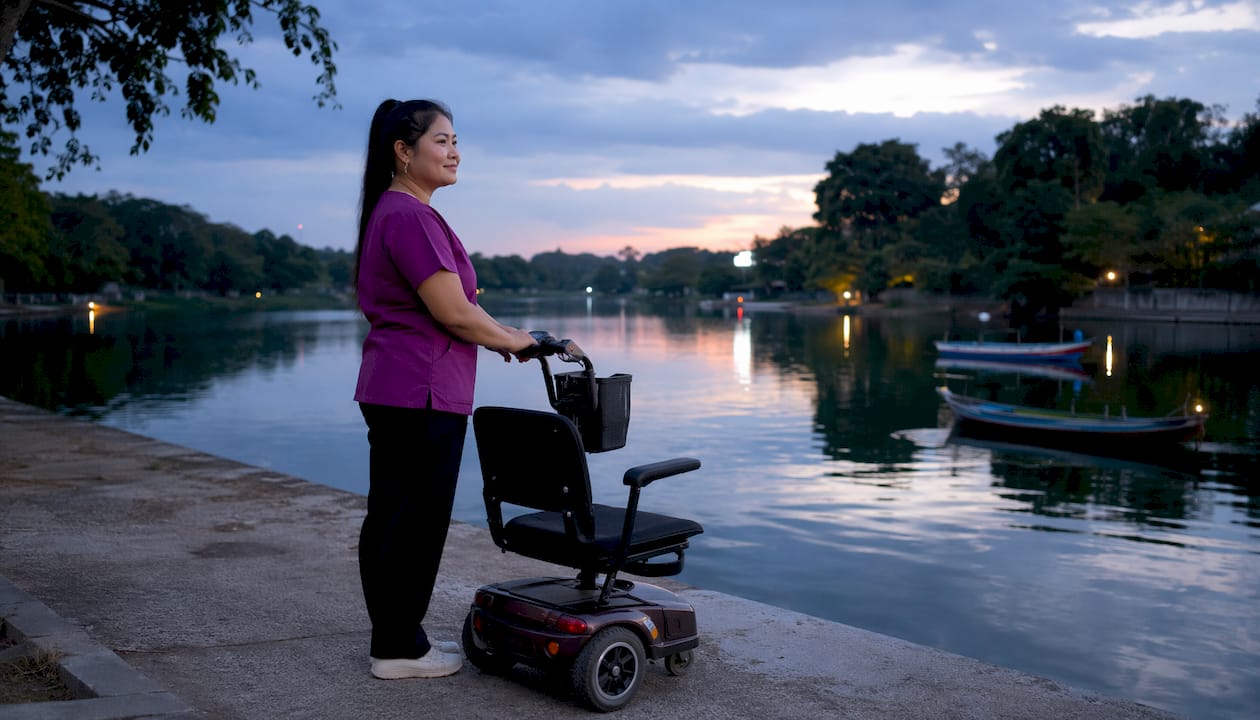
Mobility scooters produce a similar shift. When a care recipient can navigate a shopping centre or a park independently on a scooter, the caregiver is no longer required to be physically present for every outing. That reclaimed time and autonomy for life outside the caretaking role is one of the most underappreciated benefits of mobility aids. Caregivers who have time to themselves are less likely to experience the burnout that ends caregiving arrangements prematurely.
How mobility aids change the caregiver-patient relationship
The relationship between a caregiver and the person they support is shaped, in part, by how much physical dependency exists between them. When every movement requires caregiver assistance, the dynamic can shift toward one that neither person chose: the care recipient feels like a burden, and the caregiver feels trapped by the physical demands of the role.
Mobility aids interrupt that dynamic. A walker that lets someone move from the bedroom to the kitchen independently restores a small but meaningful piece of autonomy. A power wheelchair that allows a person to navigate their own home without asking for help changes how they experience their day and how they relate to the person caring for them. The caregiver becomes less of a physical prop and more of a companion and support person.
This shift also reduces the tension that builds when caregivers are exhausted. Physical fatigue from manual handling affects patience, communication, and emotional availability. When a patient lift or adjustable bed removes the most strenuous tasks, caregivers have more capacity for the relational parts of care: conversation, emotional support, and presence. The skills that matter most in elderly care are relational, and those skills are harder to access when a caregiver is physically depleted.
Seventhchakra provides wheelchair, hospital bed, and mobility scooter rentals across Vancouver, Richmond, and Surrey with same-day delivery and no upfront deposits. If you are managing care for a family member and need equipment quickly, browse rental options in Richmond or explore the full wheelchair rental catalogue to find what fits your situation.
Key takeaways
Mobility aids reduce caregiver burden by replacing manual handling with device-assisted care, cutting physical injury risk and emotional exhaustion simultaneously.
| Point | Details |
|---|---|
| Physical strain drops sharply | Mechanical transfer devices reduce lower back stress from a median score of 5 to 0 versus manual handling. |
| Emotional burden decreases too | Assistive technology provision reduces activity-specific and overall caregiver burden significantly within 22 weeks. |
| Device type determines impact | Patient lifts, adjustable hospital beds, wheelchairs, and walkers each address different caregiving tasks and injury risks. |
| Caregiver input improves selection | Equipment chosen around the caregiver’s most demanding tasks produces stronger burden reductions than generic provision. |
| Rentals lower the access barrier | Canadian rental options provide immediate, professional-grade equipment without large upfront costs or maintenance responsibility. |
FAQ
What are the main benefits of mobility aids for caregivers?
Mobility aids reduce the physical strain of transfers and repositioning, lower the risk of back and shoulder injuries, and decrease emotional exhaustion by promoting the care recipient’s independence. Clinical research shows that even short-term assistive technology interventions produce measurable reductions in caregiver burden.
How do mobility aids affect the caregiver-patient relationship?
When a care recipient gains independence through a walker, wheelchair, or scooter, the caregiver shifts from a physical support role to a relational one, which reduces tension and improves the quality of interaction for both people.
Why is mobility important for elderly people receiving care at home?
Mobility supports independence in daily activities, which directly reduces how much physical assistance a caregiver must provide. Greater independence also lowers the care recipient’s risk of depression and social isolation, both of which add to caregiver burden when left unaddressed.
Why does self-care matter for caregivers, and how do mobility aids help?
Caregiver burnout ends caregiving arrangements prematurely and harms the caregiver’s own health. Mobility aids reduce the physical demands of daily care tasks, giving caregivers more energy and time for their own recovery, which sustains their capacity to provide care over the long term.
Is renting mobility equipment in Canada a practical option for families?
Renting is often the most practical choice for families managing short-term recovery or uncertain timelines. Canadian rental services provide professional-grade wheelchairs, hospital beds, and mobility scooters with flexible terms, no upfront deposits, and same-day delivery in many areas.
Recommended
- Role of mobility aids in discharge planning: 2026 guide | Seventh Chakra
- Mobility aids for post-operative patients: a recovery guide | Seventh Chakra Medical Blog
- Matching mobility aids to patient condition: a practical guide | Seventh Chakra Medical Blog
- Top 10 Mobility Equipment Solutions in Vancouver for Seniors and People with Disabilities | Seventh Chakra Medical Blog