
Measure from the bottom of your wrist crease to the floor while standing in your usual walking shoes, then set the cane handle to that height so your elbow bends slightly, around 20 to 30 degrees. If you’re unsure, start with an adjustable cane and test it while walking before committing to a fixed-height model.
TL;DR:
- Footwear can change the required cane length by close to an inch, and a forward lean may call for a shorter setting; taller users should check maximum extension before buying.
- Practice indoors first, watching for a locked elbow, raised shoulder, leaning toward the cane, or a shortened stride on the fitted side.
- For a weak or painful leg, hold the cane on the opposite side and move it with that leg before stepping through with the stronger leg.
- A quad cane offers more stability but needs practice; choose a walker or rollator if you need weight support or balance beyond a cane’s capacity.
- Falls, stumbling, or persistent imbalance warrant a physiotherapist’s assessment, and Health Canada recommends professional evaluation whenever balance creates a safety concern.
Table of Contents
- How to measure and fit a cane at home
- Wrist-crease, elbow-bend, or formula: which method is right?
- Adjusting for height, footwear, and posture differences
- Testing your cane safely while you walk
- Cane types and when another aid makes more sense
- Clinical safety context for fitting and testing
- What matters most when fitting a cane
- When a cane isn’t enough: rollator and wheelchair rentals
- FAQ
- Sources
How to measure and fit a cane at home
Getting a cane to the right height takes a few minutes and, ideally, a second pair of hands. Follow these steps in order:
- Put on the shoes you wear most often, since heel height changes the measurement.
- Stand up straight with your arms relaxed at your sides, the way you’d naturally stand while walking.
- Measure from the bottom crease of your wrist down to the floor, using a tape measure or having a helper mark the spot on a wall.
- Set the cane’s handle to that exact measurement, adjusting telescoping mechanisms to the nearest notch.
- Rest your hand lightly on the handle and check your elbow bend: you want a slight flex, not a locked straight arm or an exaggerated bend.
- Lock the cane’s adjustment mechanism fully before putting weight on it.
- If you’re between notches or unsure of the right fit, choose an adjustable cane and start a notch shorter rather than longer. Choose a cane that allows comfortable posture; a slightly shorter cane is generally easier to adjust than one that causes leaning.
This method mirrors the approach described by HealthLink BC, which recommends measuring from the wrist crease while wearing usual walking shoes and checking for a slightly flexed elbow once the hand rests on the handle. A helper makes this easier, but you can manage alone with a tape measure and a wall to lean against.
Wrist-crease, elbow-bend, or formula: which method is right?
A few methods circulate for sizing a cane, and they overlap more than they conflict.
- Wrist-crease method: measure wrist to floor in your usual shoes. This is the method HealthLink BC recommends as the standard starting point for a home fit.
- Elbow-bend check: once the cane is set, your elbow should flex slightly when your hand rests on the handle, letting you push down with control without straining your shoulder.
- Height formula: multiplying your height by roughly 0.52 gives a rough estimate. Someone who is 5 foot 6 inches tall would land near 34 inches, but this is only a starting figure, not a fitted measurement.
There is no single correct “average” cane height that fits most people. Cleveland Clinic notes that fit has to be individualized based on posture, elbow bend, and footwear rather than a fixed number, which is exactly why adjustable canes exist: they let you dial in a precise fit instead of hoping a fixed-length cane matches your proportions.
Adjusting for height, footwear, and posture differences
Standard adjustable canes cover a fairly wide range, but the extremes of height need extra attention.
- Taller users should check a cane’s maximum extension before buying. Cleveland Clinic points out that many telescoping canes have a ceiling that leaves very tall users short, which often means looking for a long-shaft model instead of forcing a standard one to its limit.
- Shorter users benefit from canes with a lower minimum height or an offset handle, which shifts the grip closer to the body for better control.
- Posture shifts the measurement too. Someone who stands with a slight forward lean, often due to hip or back issues, may need a shorter setting than a strict wrist-crease number suggests.
- Footwear matters more than most people expect: a flat slipper and a running shoe with a built-up heel can change the required cane length by close to an inch.
Pro Tip: If your footwear varies a lot between dress shoes, slippers, and outdoor runners, choose an adjustable cane and re-check the fit in whichever shoes you wear most often.
Testing your cane safely while you walk
A cane that measures correctly while you’re standing still needs to prove itself in motion.
- Place the cane tip about 2 to 6 inches (roughly 4 to 15 centimetres) forward and slightly to the side of your opposite foot, not directly beside it.
- If one leg is painful or weak, hold the cane in the hand opposite that leg and move the cane forward at the same time as the weaker leg, then step through with the stronger leg, a pattern described by Chipperfield Physio.
- Watch for warning signs of a poor fit: a locked elbow, a shoulder that hikes up with each step, a noticeable lean toward the cane, or a shorter stride on the fitted side.
- Practise a few short walks indoors before heading outside, and speak with a physiotherapist if you notice falls, stumbling, or persistent imbalance.
Cane types and when another aid makes more sense
Most people picture a single-point cane, but a few variations exist for different needs.
- A quad cane has a four-point base rather than a single tip, offering more stability, though it requires learning to lift and place the wider base correctly with each step, as Trualta explains.
- If you need to bear significant weight through the device or your balance concerns go beyond what a cane can support, a walker or rollator is often the safer choice.
- Check rubber tips regularly and replace them once worn smooth, since a bald tip loses grip fast.
- Remove or flip up any ice spikes before walking indoors, and attach a wrist strap if you tend to set the cane down often.
Clinical safety context for fitting and testing
Measurement is only half the job. Health Canada’s guidance on assistive devices for seniors frames choosing the right mobility aid as a safety matter, recommending a professional assessment whenever balance is a concern. Rehabilitation teams at UHN similarly stress that fitting plus real walking practice matters more than a precise measurement on its own.
Measurement sets the starting point. Walking is where you find out if the fit actually works.
When a cane doesn’t hold up to that walking test, a rollator, walker, or wheelchair rental can bridge the gap while you sort out a longer-term plan with a clinician.
What matters most when fitting a cane
A cane fitted to the nearest millimetre still fails if nobody tests it while walking. I’d rather see someone start with an adjustable cane, get the wrist-crease measurement roughly right, and spend real time practising their gait than chase a number that looks precise on paper. If something feels off, a locked elbow, a lean, a shoulder creeping upward, see a physiotherapist before the habit sets in. And if you’re renting or sharing equipment with family, check the tips and grips each time; small hygiene habits matter as much as the fit itself.
— Chandan
When a cane isn’t enough: rollator and wheelchair rentals
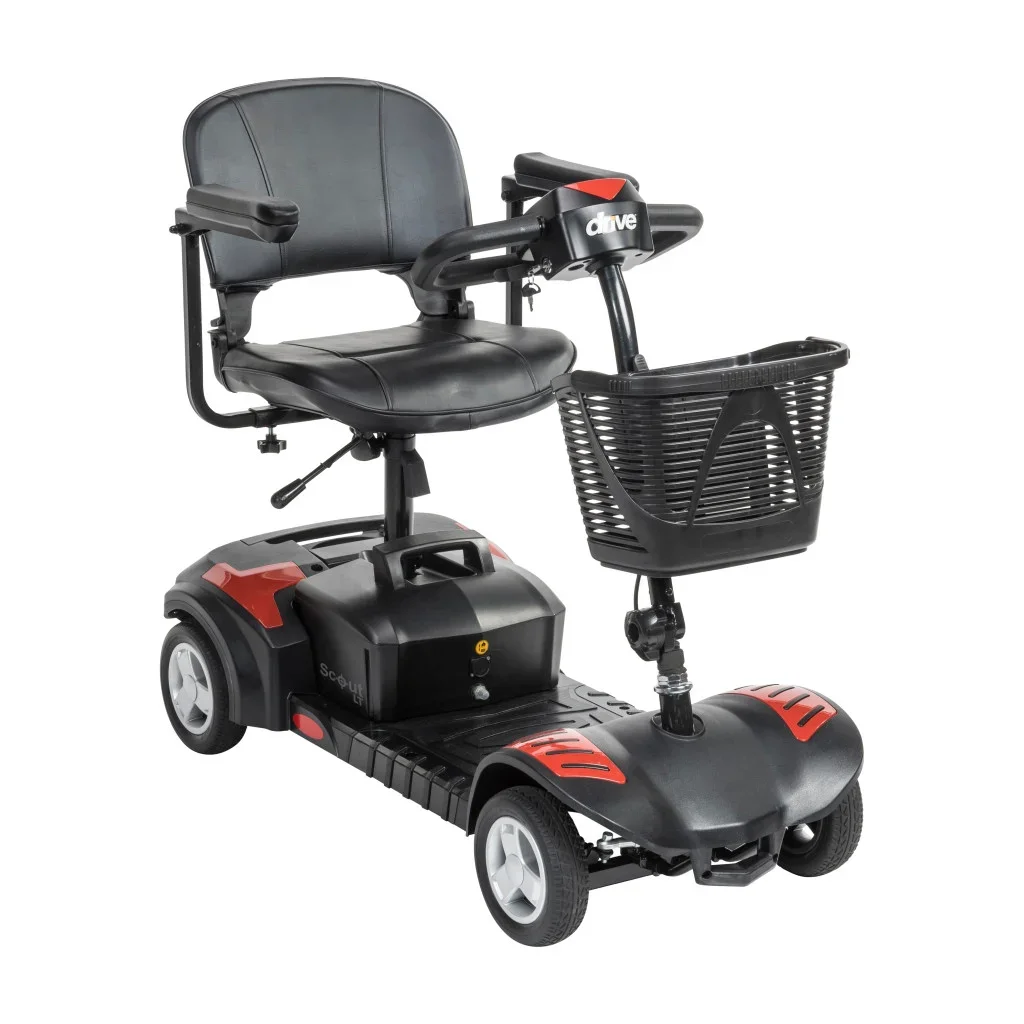
If testing shows a cane doesn’t give you the stability you need, we rent rollators, walkers, wheelchairs, and mobility scooters with same-day delivery, fully sanitized and with no deposit required.

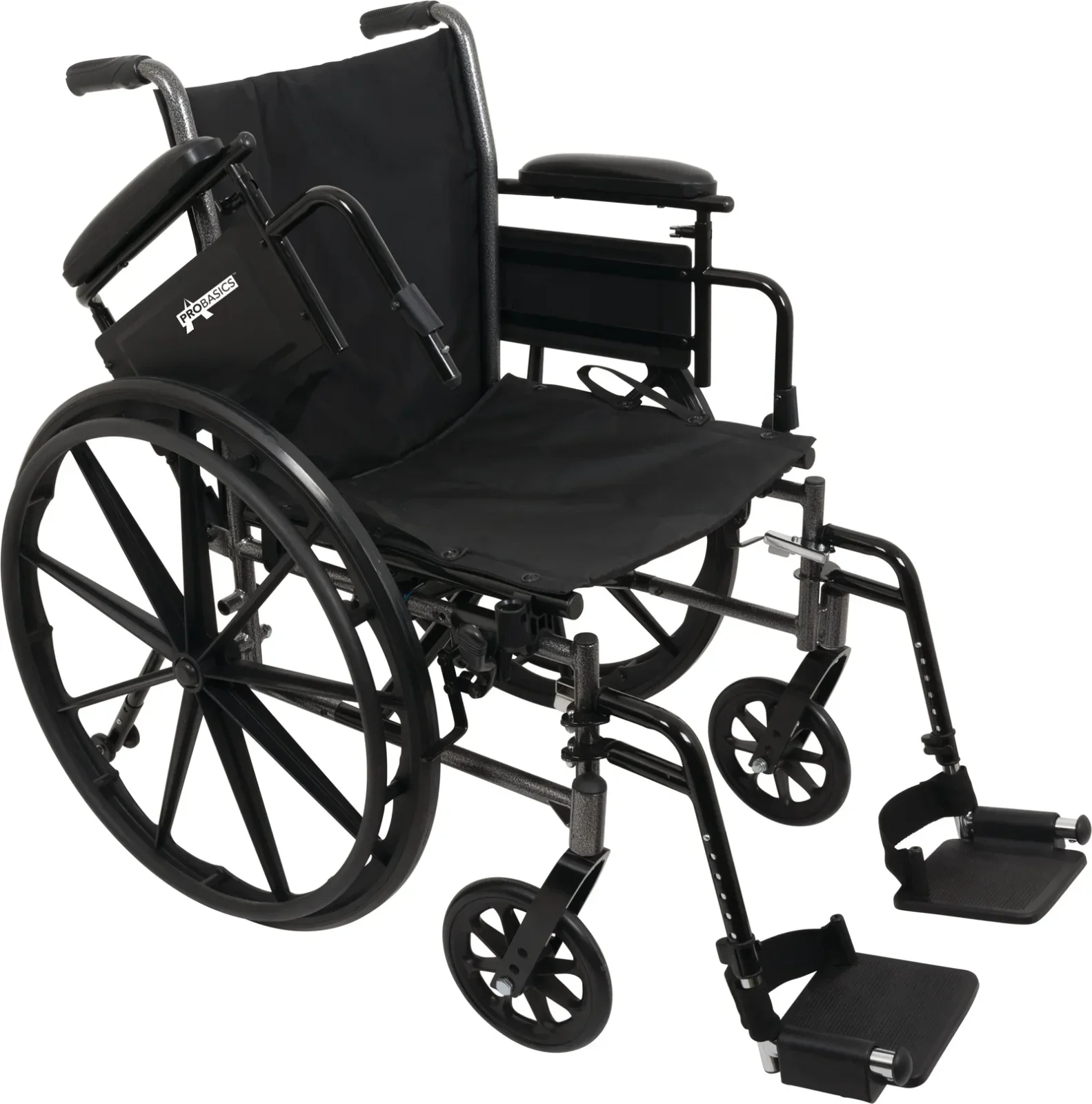
A short-term rental can carry you through a recovery period while you and a clinician figure out the right long-term device. Our standard wheelchair rentals start from $75 per week, and our full rentals lineup covers rollators, scooters, and other mobility equipment if a cane turns out to be the wrong fit for your recovery. Reach out and we’ll help you find the right equipment for where you are right now.
This article is general information, not a substitute for advice from a qualified doctor. Consult a qualified healthcare professional about your own circumstances before acting on anything here.

FAQ
How do I determine what height my cane should be?
Stand in your usual walking shoes and measure from the bottom crease of your wrist to the floor; that figure is your starting cane height. Set the handle there, then check that your elbow bends slightly, around 20 to 30 degrees, when your hand rests on it, per HealthLink BC.
What cane height works for someone who is 5 foot 2?
There’s no fixed number for any specific height since fit depends on arm length, posture, and footwear rather than height alone, according to Cleveland Clinic. The wrist-crease measurement in your usual shoes gives a far more accurate starting point than a height-based chart.
Is there an average cane height that fits most people?
No single average height works reliably across different people, which is why clinicians recommend individualized measurement using the wrist crease and elbow-bend check rather than a standard figure, as Cleveland Clinic notes. Adjustable canes exist specifically to accommodate that variation.
What is a cane with four feet called?
A cane with a four-point base is called a quad cane, and it offers more stability than a single-point cane because of its wider footprint, as described by Trualta. It does require learning to place the wider base correctly with each step, since twisting it can reduce its stability advantage.
When should I see a clinician about my cane fit?
See a physiotherapist or your doctor if you notice falls, persistent imbalance, or pain that doesn’t improve once the cane is properly fitted. Health Canada’s assistive devices guidance recommends professional assessment whenever balance is a safety concern rather than relying on self-fitting alone.
Sources
- Using a cane | HealthLink BC
- Canada
- How to use a cane | Cleveland Clinic
- Are quad canes the right choice? | Trualta